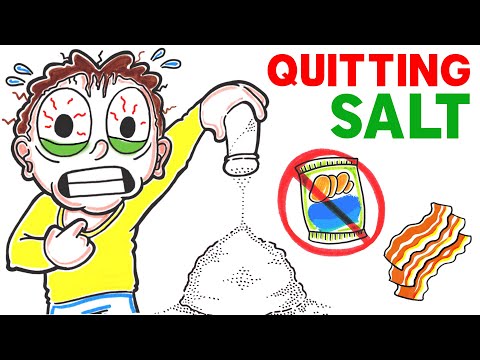
Sodium is a mineral often associated with the flavoring of our food. It plays a crucial role in various body functions, such as maintaining fluid balance and supporting nerve and muscle activity. Yet, in recent years, we’ve been bombarded with warnings about its potential health risks, particularly concerning heart disease and high blood pressure. This has led many to consider drastically cutting sodium from their diets. But is it wise to eliminate it almost entirely?
While reducing excessive sodium intake can be beneficial for many individuals, cutting it too severely might carry hidden risks that are often overlooked. Just as our body needs fuel to run efficiently, it also requires certain levels of sodium to maintain vital functions.
Hidden Risks of Cutting Sodium Too Severely
The information provided in this article is intended solely for general informational and educational purposes. It does not constitute medical advice, diagnosis or professional treatment, and should not be considered a substitute for consultation with a qualified doctor or other licensed healthcare professional. Any health-related decisions should be made in consultation with accredited medical professionals.
While efforts have been made to ensure the information is accurate and up to date, no guarantees are given—either express or implied—regarding its accuracy, completeness, currency or suitability. Use of this information is at your own discretion.
It is strongly recommended to consult official sources such as the NHS (National Health Service) or other recognised medical institutions before acting on any information contained on this website or article. Under no circumstances should professional medical advice be ignored or delayed due to content read here.
This content is of a general and informational nature only. It is not intended to replace individualised guidance from a healthcare professional or to establish any doctor-patient relationship. The publication of this information does not imply any professional responsibility, guarantee or obligation on the part of the author or this site.
- Low sodium levels can lead to symptoms such as headaches, fatigue, and confusion.
- It may disrupt the balance of other essential minerals in your body.
- Severe restrictions might increase the risk of hormonal imbalances.
- Some studies suggest that very low sodium intake could be linked to increased cardiovascular events.
Before making any drastic dietary changes, it’s essential to inform yourself thoroughly. Consult different specialists and reliable media sources for a well-rounded perspective on sodium’s role in your health. Remember, moderation is key; striking a balance rather than going to extremes is often the best path toward better health.
Exploring the Surprising Effects on Your Health and Well-Being
When we think about our diets, sodium often gets a bad rap. It’s usually singled out as a major contributor to high blood pressure and other health issues. However, cutting sodium too severly can also bring unexpected risks.
Many people don’t realize that sodium is essential for our bodies. It helps maintain fluid balance and supports nerve function. It’s like oil in a car engine—without it, things may not run smoothly.
Here are some important effects of drastically reducing sodium intake:
When assessing your salt intake, it’s crucial to find a balance that works for you. While high levels can be harmful, going too far in the opposite direction isn’t beneficial either.
Consider these tips:
It’s important to remember that everyone’s needs are unique. If you’re thinking about adjusting your diet significantly, it could be helpful to consult someone who can guide you based on your personal health goals.
By understanding both sides of the sodium story, you can make informed choices about what works best for your health without falling into extremes!
The Hidden Risks of Sodium Deficiency and Its Impact on Your Health
Sodium is often seen as an enemy in the quest for heart health. Many people cut it from their diets for fear of high blood pressure or other health issues. But sodium plays some really important roles in our bodies.
Let’s break it down. Sodium is a key player in maintaining fluid balance. Think of it as a messenger that helps regulate how our body uses water. Without enough sodium, our cells can become imbalanced.
When you cut sodium too severely, you may start to feel weak or tired. This happens because low sodium levels can lead to fatigue and muscle cramps. Imagine running a marathon without enough water; your body just can’t keep up.
Here are some hidden risks associated with sodium deficiency:
You might also be surprised to learn that extreme diets can lead to cravings for salty foods. This usually flips people back into consuming way more than they need later on.
Beware of the myth that all salt is bad! Natural sources like celery and beets contain necessary amounts without adding excessive sodium.
If you’re considering cutting down on salt, think carefully about how much you really need. Instead of eliminating it entirely, focus on moderation and balance.
Always pay attention to how your body feels when making dietary changes. It’s crucial to listen to those signals rather than strictly adhering to dietary rules.
Consulting with someone knowledgeable about nutrition may help create a plan that supports both heart health and overall well-being without risking any deficiencies.
In summary, while it’s wise to limit excess sodium from processed foods, complete elimination could have its own risks. A balanced approach keeps both your taste buds and body happy!
Navigating the Hidden Risks of Cutting Back on Salt
Cutting back on salt might seem like a healthy choice. After all, we often hear that reducing sodium can help lower blood pressure and improve heart health. But there are hidden risks when it comes to cutting sodium too severely.
Sodium plays several key roles in our body. It helps maintain fluid balance, supports nerve function, and is essential for muscle contractions. Imagine sodium as a conductor in an orchestra; without it, the performance can become chaotic.
When people drastically reduce their salt intake, they may experience some unintended consequences. Here are a few to consider:
You might think that all salt is bad for you. However, not all sources of sodium are created equal. Processed foods often contain high levels of unhealthy salts which can contribute to health issues.
Instead of aiming for a very low-sodium diet, focus on balance. Choose whole foods like fruits and vegetables that naturally contain lower amounts of sodium but offer many nutrients.
Also consider moderation rather than elimination. The American Heart Association recommends limiting daily sodium intake but not cutting it out entirely.
Always listen to your body and adjust your diet thoughtfully. If you’re considering major dietary changes or have health concerns about salt intake, it’s wise to consult with a professional who understands your individual health profile.
Remember that every person’s needs are different. What’s important is finding a level of sodium that works best for you while still enjoying your meals!
Reducing sodium intake is often recommended for improving heart health and managing blood pressure. However, cutting sodium too severely can pose hidden risks that merit careful consideration.
Firstly, sodium plays a crucial role in maintaining fluid balance and regulating blood pressure. When consumed in moderation, it helps the body function optimally. Severe sodium restriction can lead to a condition known as hyponatremia, where blood sodium levels drop too low. This can result in symptoms like headaches, confusion, and fatigue.
Additionally, inadequate sodium intake may impact physical performance. Athletes or those who engage in vigorous exercise may require more salt due to sweat loss.
Moreover, some studies suggest that overly strict sodium reduction might not provide the expected cardiovascular benefits for everyone. In fact, certain individuals could experience negative health effects from excessively restricting salt.
It’s essential to strike a balance: moderation is key. Instead of extreme cuts in sodium intake, focusing on high-quality dietary choices—like fresh fruits and vegetables—and minimizing processed foods could be a healthier approach.
In conclusion, while it’s important to manage sodium consumption for heart health, understanding the potential risks of cutting it too drastically is vital for making informed dietary choices. Always consider individual needs and consult with healthcare professionals when making significant changes to your diet.