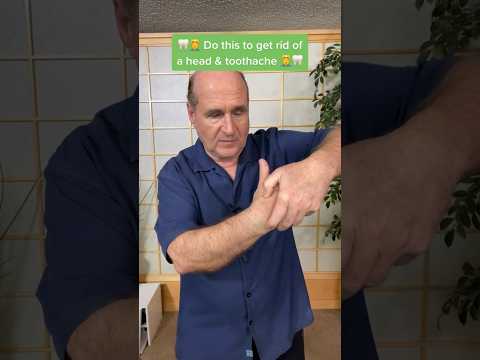
Toothaches can be excruciating, often leading to sleepless nights and a loss of appetite. When that sharp pain strikes, it’s natural to seek relief. But not all remedies are created equal, and navigating the world of toothache relief can be tricky.
In this article, we’ll explore some common strategies for easing dental discomfort, from home remedies you might have heard about to professional treatments you’ll want to consider. Understanding what genuinely helps—and what could potentially worsen your situation—is essential for your well-being.
However, it’s crucial to stress: not all remedies are safe or effective. Some popular suggestions might seem harmless but can aggravate the problem or mask an underlying issue that requires professional attention. Always consult with qualified professionals and gather information from reputable sources before trying any remedy. Remember, your dental health deserves careful consideration!
The information provided in this article is intended solely for general informational and educational purposes. It does not constitute medical advice, diagnosis or professional treatment, and should not be considered a substitute for consultation with a qualified doctor or other licensed healthcare professional. Any health-related decisions should be made in consultation with accredited medical professionals.
While efforts have been made to ensure the information is accurate and up to date, no guarantees are given—either express or implied—regarding its accuracy, completeness, currency or suitability. Use of this information is at your own discretion.
It is strongly recommended to consult official sources such as the NHS (National Health Service) or other recognised medical institutions before acting on any information contained on this website or article. Under no circumstances should professional medical advice be ignored or delayed due to content read here.
This content is of a general and informational nature only. It is not intended to replace individualised guidance from a healthcare professional or to establish any doctor-patient relationship. The publication of this information does not imply any professional responsibility, guarantee or obligation on the part of the author or this site.
Quick Relief for Those Aching Moments
Toothaches can be really uncomfortable. They often distract us from daily activities, making us feel irritable and tired. Understanding what can help manage these aching moments is essential.
First, let’s look at some common remedies. Many people find that rinsing the mouth with warm saltwater can provide some relief. It helps reduce inflammation and cleans the affected area.
It’s also important to consider what **not** to do when facing toothache. Some home remedies might not be helpful and could even make things worse.
Remember, while these tips might provide momentary relief, they are not long-term solutions. Identifying the root cause of your toothache is crucial. It could be due to cavities, gum disease, or other dental issues.
If your pain persists, seeing a dental professional is wise. Ignoring persistent pain might lead to more significant problems later on.
Being informed about toothache remedies helps us make better choices in managing discomfort wisely. Always approach health topics with curiosity and care—knowledge is power!
Discover Delicious Foods That Keep Your Smile Healthy and Pain-Free
Taking care of your teeth goes beyond brushing and flossing. The foods you eat can play a big role in keeping your smile healthy and pain-free. Let’s explore some delicious options that can support your oral health.
First, think about dairy products. Milk, yogurt, and cheese are packed with calcium and phosphates. These nutrients help strengthen tooth enamel, which protects your teeth from decay. Plus, cheese can stimulate saliva production, which naturally cleanses the mouth.
Next on the list are fruits and veggies. Crunchy options like apples and carrots not only taste great but also help scrub away plaque on your teeth as you chew. They also contain water, which helps keep you hydrated and rinse away food particles.
Nuts are another great choice. Almonds and walnuts are rich in healthy fats and protein. They’re low in sugar too—just remember to chew them well! Their crunchiness can assist in cleaning your teeth as well.
Don’t forget about greens. Spinach, kale, and broccoli are full of vitamins that support gum health. Their high fiber content also makes them great for digestion, which is linked to overall health.
However, it’s wise to steer clear of sugary snacks. They can lead to cavities by feeding harmful bacteria in the mouth. Also remember that acidic foods might harm enamel over time. It’s all about balance!
Incorporating these delicious foods into your diet may help you maintain a radiant smile while keeping discomfort at bay. Just be sure to pay attention to how different foods affect you personally—it’s all part of understanding what works best for your body.
A combination of good nutrition along with regular dental care will set the stage for oral health success! Enjoy the journey with tasty new options while being mindful about what you consume each day!
Refresh Your Smile: Soothing Beverages to Ease Tooth Pain
Toothaches can be really bothersome, often making it hard to focus on anything else. While it’s always best to address the root cause with a professional, certain soothing beverages can help provide temporary relief and comfort.
Warm Salt Water: This simple mix is like a gentle hug for your gums. Salt helps reduce inflammation and can wash away debris trapped around your teeth. Just mix half a teaspoon of salt in a glass of warm water and rinse gently.
Chamomile Tea: Known for its calming properties, chamomile tea can also ease tooth pain. The warmth soothes sensitive areas, while chamomile contains antioxidants that may help reduce inflammation. Sip it slowly and let the warmth work its magic.
Clove Oil Infusion: Making a clove oil infusion in hot water creates a tea-like drink with potential numbing effects. Clove oil has been used traditionally to manage dental discomfort due to its natural properties. Keep it warm but not boiling.
Ginger Tea: Ginger has anti-inflammatory benefits that might help ease pain. Brew fresh ginger in hot water and add honey if you like sweetness. This drink can feel good if you have an upset stomach as well!
Apple Cider Vinegar Diluted Water: A splash of apple cider vinegar mixed with warm water may help improve oral health by reducing bacteria. However, this should be used cautiously as vinegar is acidic; rinse your mouth with plain water afterward.
It’s important to avoid any beverages high in sugar or acid when you have tooth pain, as these can irritate sensitive teeth or worsen the situation over time.
Remember, while these soothing drinks provide temporary comfort, they are not substitutes for professional care. If the pain persists, seeing your dentist is essential for proper diagnosis and treatment.
Taking care of your dental health through regular check-ups is key too! Enjoying soothing beverages mindfully can make those tough moments more bearable while you seek long-term solutions.
Toothaches can be quite distressing, often signaling an underlying dental issue that requires attention. This topic is especially important because it combines immediate relief with the prevention of further complications.
Many people seek quick fixes for toothaches, such as home remedies like saltwater rinses or cold compresses. These can provide temporary relief by reducing inflammation or numbing pain. However, it’s crucial to understand that these are not solutions to the root cause of the problem. Neglecting proper dental care could lead to worsened conditions.
On the other hand, some common advice may not be beneficial at all. For instance, applying alcohol or clove oil directly on the gums can sometimes irritate surrounding tissues rather than soothe them.
Education is key when discussing toothache remedies. It empowers individuals to make informed decisions about when to use at-home treatments and when to seek professional care. A balanced approach that prioritizes long-term dental health over short-term fixes will always serve us better in the long run.
Ultimately, understanding what helps and what should be avoided fosters a proactive attitude towards oral health, encouraging regular dental check-ups and good hygiene practices. It’s a reminder that our mouths deserve just as much attention as any other part of our bodies.