The information provided in this article is intended solely for general informational and educational purposes. It does not constitute medical advice, diagnosis or professional treatment, and should not be considered a substitute for consultation with a qualified doctor or other licensed healthcare professional. Any health-related decisions should be made in consultation with accredited medical professionals.
While efforts have been made to ensure the information is accurate and up to date, no guarantees are given—either express or implied—regarding its accuracy, completeness, currency or suitability. Use of this information is at your own discretion.
It is strongly recommended to consult official sources such as the NHS (National Health Service) or other recognised medical institutions before acting on any information contained on this website or article. Under no circumstances should professional medical advice be ignored or delayed due to content read here.
This content is of a general and informational nature only. It is not intended to replace individualised guidance from a healthcare professional or to establish any doctor-patient relationship. The publication of this information does not imply any professional responsibility, guarantee or obligation on the part of the author or this site.
Have you ever wondered how a small device could change the way you manage diabetes? You’re not alone! Many people feel overwhelmed by their blood sugar levels and what they mean for their health. The reality is, keeping tabs on your glucose can make a world of difference in managing diabetes.
It’s not just about numbers; it’s about your well-being. An accurate glucometer can help you understand how food, exercise, and stress impact your blood sugar. With the right tools, like those we’re discussing today, you’re empowered to make informed decisions.
This article dives into the top glucometers of 2023—devices that might be exactly what you’re looking for. We’ll explore their features, ease of use, and how they can fit into your daily routine. Think of this as a friend sharing tips rather than medical advice. While these insights are valuable, it’s crucial to talk with a healthcare professional before making any changes to your diabetes management plan.
Your health journey is unique, and having the right tools on hand can simplify things significantly!
Discover the Top Glucometers for Reliable and Precise Readings
Understanding Glucometers
A glucometer is a device used to measure blood sugar levels. It’s super important for people with diabetes. Have you ever seen someone prick their finger and use a small gadget? That’s them checking their glucose levels!
These readings help manage diabetes effectively. High or low blood sugar can lead to serious health issues, so keeping track is crucial. Think of it like monitoring the fuel gauge in your car—too low, and you might run into trouble.
What Makes a Good Glucometer?
When looking for a glucometer, precision and ease of use are key factors. You want something that gives accurate readings quickly. Some models even connect to your smartphone, making it easier to track trends over time.
Other features can include memory storage, alternative site testing (like using your arm instead of fingertips), and even easy-to-read displays. It’s all about finding what suits you best.
Top Glucometers in 2023
- OneTouch Verio Flex: Known for its accuracy and smartphone connectivity, it also has color-coded results—green means good!
- Accu-Chek Guide: This model offers precision and strips that are designed to prevent messiness—no more spilled blood!
- Contour Next One: It syncs with an app and provides trending data over time. Plus, it’s user-friendly!
- DarioHealth On-the-Go:This one is compact and connects directly with your mobile device for tracking.
A Few Considerations
You know what? Not every glucometer fits every user’s needs. Some might prefer different brands based on personal experiences or recommendations from healthcare providers.
It’s also important to consider the cost of test strips since they can add up over time. Look at how many tests you’ll need daily or weekly when figuring things out.
Misperceptions About Glucometers
A common myth is that all glucometers provide the same level of accuracy. While many are reliable most aren’t identical! Regular calibration might be necessary depending on the model you choose.
The Bottom Line
Selecting a glucometer requires some thought about your lifestyle and preferences. If you’re uncertain which one is right for you, consult with someone who knows about diabetes management—their perspective can really help!
Your Ultimate Guide to Finding the Perfect Glucose Meter for Your Needs
Finding the right glucose meter can feel overwhelming, right? With so many options out there, how do you choose one that fits your lifestyle and provides accurate readings? Let’s break it down.
What is a Glucose Meter?
A glucose meter is a device used to measure the sugar levels in your blood. It’s essential for people with diabetes because it helps monitor their condition. Think of it like checking the gas in your car—keeping an eye on it ensures everything runs smoothly.
Types of Glucose Meters
There are several types of glucose meters available. Some are basic, while others have advanced features like Bluetooth connectivity. If you want simplicity, a basic model may work well for you. However, if you’re into tech, something with more features could be appealing.
- Traditional Meters: These require a drop of blood and give you a reading within seconds.
- Continuous Glucose Monitors (CGMs): These provide real-time readings throughout the day without needing frequent finger pricks.
- Smart Meters: They sync with apps on your phone to track patterns and share data easily.
Accuracy Matters
You want accurate results, right? Look at reviews or studies that compare different models. A meter that’s consistently accurate will help manage your diabetes more effectively. Sometimes, brands claim high accuracy but don’t deliver in real-life situations. Just test things out for yourself if possible!
User-Friendly Features
The best glucose meters are easy to use. Consider factors like display size, whether it’s backlit for nighttime usage, and how easy it is to handle—especially if you have dexterity issues. Also think about memory storage: does it keep past readings? That can assist in tracking trends over time.
Coding vs. No Coding
Coding refers to calibrating the meter with specific test strips before use. Some meters today offer no-coding options which make life simpler—you just pop in a strip and go! This saves time and reduces errors from miscalculating codes.
Test Strips: An Important Consideration
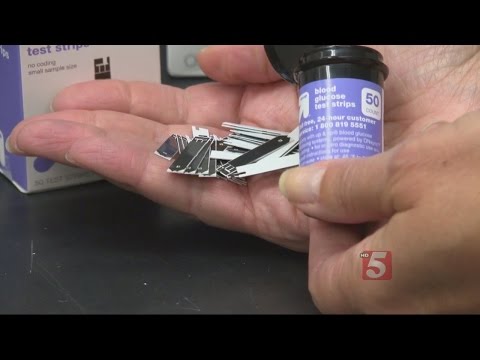
The cost of test strips can add up quickly since they need replacing often! Check how much each brand costs before committing to a particular meter model. Some brands offer affordable strips while others may charge quite a bit.
Add-Ons That May Help
Some glucose meters come with additional features like reminders for testing or insulin dose calculators. If these things matter to you, look for devices that include them—it can make managing diabetes smoother!
Your Lifestyle Matters
If you’re active or travel frequently, consider portability too! Compact designs or carrying cases make it easier to take along wherever life takes you. Also think about whether you’ll be using it mostly at home or on-the-go; this influences what you’d find suitable.
A Final Thought
Selecting the perfect glucose meter isn’t just about numbers; it’s about finding what fits your needs best! Take some time comparing options and consider how each one aligns with how you live daily—this will help ensure you’re getting what works for YOU!
Discover the Top Continuous Glucose Monitors for Better Blood Sugar Control
Understanding Continuous Glucose Monitors
Continuous glucose monitors (CGMs) are devices that help people with diabetes track their blood sugar levels in real-time. Unlike traditional glucometers, which provide a single reading from a finger prick, CGMs use a small sensor placed under the skin to measure glucose levels continuously. This offers a more dynamic view of how your body is managing blood sugars throughout the day.
How Do CGMs Work?
The sensor in a CGM measures glucose in the interstitial fluid—a fluid that surrounds your cells—rather than directly from the blood. It sends data to a receiver or smartphone app, showing trends and patterns over time. Think of it like having a continuous stream of information rather than just snapshots.
Why Are They Important?
Using a CGM can be really helpful for managing diabetes. It allows people to see how specific foods, activities, and medications affect their blood sugar levels in real-time. This immediate feedback can lead to better decision making regarding diet and activity levels.
Key Features to Look For
- Accuracy: Look for monitors that have been validated for accuracy to ensure reliable readings.
- User-Friendly: Some devices are easier to use than others, so finding one that fits comfortably into your lifestyle is key.
- Blink Alerts: Many CGMs come with alerts for high and low sugar events, giving you peace of mind especially at night.
- Data Integration: If you like using apps or other health devices, check if the CGM can sync with them for a comprehensive look at your health.
A Few Popular Options
- Dexcom G6:This is well-known for its ease of use and accuracy. It provides alerts for high and low readings automatically.
- A budget-friendly option that still delivers solid performance with easy scanning features.
- MediSense Guardian Connect:This device focuses on predictive alerts – kind of like having someone warn you ahead of time about possible highs or lows!
The Cost Factor
Your choice might also depend on price since some models can be quite expensive. However, many insurance plans do cover portions of these costs if you qualify. It’s always worth checking what’s available based on your plan before making any decisions.
Cautionary Notes
No device is perfect though! While they provide valuable insights, occasional inaccuracies can occur due to various factors like sensor placement or calibration issues. Always have backup testing options (like standard glucometers) if you need precise readings before important moments like eating or exercising.
Your Journey with Diabetes Management
You don’t have to tackle diabetes alone—using tools like CGMs often improves communication between patients and healthcare teams as well. Look into sharing data during appointments; it fosters informed discussions about treatment options together!
No matter what option you choose, staying informed will empower you in taking control of your blood sugar management journey efficiently over time。
Reflection on “Top Glucometers of 2023: Enhance Diabetes Management Today”
The year 2023 has brought significant advancements in glucometer technology, and it’s exciting to see how these innovations can positively affect diabetes management. Many devices underwent redesign, focusing on user-friendliness and accuracy. A big win for patients, right?
Some glucometers now offer smartphone connectivity, which means results can be tracked effortlessly over time. Imagine having everything at your fingertips, from historical data to trends! This tech not only streamlines blood sugar monitoring but also fosters better communication with healthcare providers.
Moreover, the introduction of continuous glucose monitors (CGMs) represents a game-changer. They provide real-time feedback and require fewer fingersticks. For many individuals managing diabetes, reducing discomfort can significantly improve adherence to glucose monitoring routines.
Cost remains a concern; however, more affordable options are becoming available. This accessibility is crucial for widespread adoption—it’s all about ensuring that everyone can benefit from these advancements.
Ultimately, the top glucometers of 2023 are reshaping how people manage diabetes. It’s not just about numbers; they empower users with knowledge and data-driven decisions. As we look ahead, staying informed about these tools could lead to better health outcomes.