The information provided in this article is intended solely for general informational and educational purposes. It does not constitute medical advice, diagnosis or professional treatment, and should not be considered a substitute for consultation with a qualified doctor or other licensed healthcare professional. Any health-related decisions should be made in consultation with accredited medical professionals.
While efforts have been made to ensure the information is accurate and up to date, no guarantees are given—either express or implied—regarding its accuracy, completeness, currency or suitability. Use of this information is at your own discretion.
It is strongly recommended to consult official sources such as the NHS (National Health Service) or other recognised medical institutions before acting on any information contained on this website or article. Under no circumstances should professional medical advice be ignored or delayed due to content read here.
This content is of a general and informational nature only. It is not intended to replace individualised guidance from a healthcare professional or to establish any doctor-patient relationship. The publication of this information does not imply any professional responsibility, guarantee or obligation on the part of the author or this site.
Understanding Abdominal Pain and Diarrhea: 20 Key Causes
Have you ever found yourself clutching your stomach, wondering what’s going on? Abdominal pain and diarrhea can be unsettling experiences. They’re not just annoying; they can signal an underlying issue that we shouldn’t ignore.
Sometimes, it’s something simple, like the last meal you ate. Other times, it could be a sign of a more serious condition. Honestly, pinpointing the cause isn’t always straightforward.
This article dives into 20 key causes of abdominal pain and diarrhea. We’ll break down each one in a way that feels friendly and approachable. You’ll learn how to recognize symptoms and what might be happening inside your body.
The thing is, understanding these issues is super important for your health and peace of mind. It can help you know when to seek help or just ride it out at home.
Remember, though, this content doesn’t replace professional medical advice. Always talk to a healthcare professional for any health concerns or decisions you face. Your well-being is worth it!
Easy Tips to Find Comfort and Restore Balance
Understanding Abdominal Pain and Diarrhea
Abdominal pain and diarrhea are pretty common issues, but they can really throw you off balance. You might wonder what’s causing all that discomfort in your belly. Let’s explore some of the key causes and ways to find comfort.
Common Causes
- Food Intolerance: Sometimes, certain foods don’t sit well with your stomach. Lactose intolerance is a classic example. You know how some people can’t drink milk without feeling awful? That’s food intolerance.
- Infections: Bacterial or viral infections can mess with your digestive system. Think about those times when you’ve eaten something questionable at a party—suddenly, you’re running to the bathroom!
- Irritable Bowel Syndrome (IBS): This is a chronic condition that causes abdominal pain along with changes in bowel habits. It’s like your intestines are overreacting to everything.
- Diet Changes: Switching up your diet can cause temporary digestive upheaval too. Have you ever tried going vegan or gluten-free? It takes time for your body to adjust.
Finding Comfort
If you’re dealing with abdominal pain and diarrhea, there are a few things you might try to help ease those symptoms.
- Stay Hydrated: When it comes to diarrhea, losing fluids is a big deal. Drinking water or electrolyte drinks helps keep you balanced.
- Mild Foods:Your stomach might appreciate easy-to-digest foods like bananas, rice, or toast when you’re feeling off.
- Avoid Triggers:If you know certain foods trigger your symptoms, give them a break for awhile. No one wants another round of running for the bathroom!
- Rest:Your body needs energy to heal itself. Taking it easy could make a big difference in how you’re feeling overall.
The Importance of Observation
Paying attention to how your body reacts is key. Keeping track of what you’ve eaten and how you’ve felt afterward can offer clues. If it always seems linked to something specific—like dairy—then it might be worth tweaking your diet slightly.
When To Seek Help
You should know when it’s time to consult someone who knows more about these issues than we do here. If abdominal pain becomes severe or persistent, or if diarrhea lasts more than 2 days, reaching out for professional advice is important.
This isn’t about scaring anyone; it’s just good practice! After all, staying attuned to changes in our bodies helps us take charge of our health more effectively.
The Bottom Line
Navigating through abdominal pain and diarrhea can feel overwhelming at times but remember—you’re not alone in this! Understanding common triggers and finding comfort measures can help restore that sense of balance we’re all seeking in life.
Understanding the Unexpected Discomfort: Navigating Morning Stomach Issues
Understanding Morning Stomach Issues
Waking up with stomach discomfort can be pretty annoying, right? You’re not alone. Many people experience this from time to time. There are a variety of reasons you might wake up with a grumpy gut.
What Could Be Happening?
First off, let’s think about what happens when you sleep. Your body is still working behind the scenes, digesting food and repairing itself. Sometimes, this can lead to some funny feelings in your tummy when you wake up.
Digestive Tract Changes
Your digestive tract is like a long tube running through your body. It processes everything you eat. If it gets a bit sluggish overnight, it can cause discomfort in the morning.
- Constipation: If things aren’t moving smoothly through your system, you might feel bloated or crampy.
- Sensitivity: Some people find that their stomachs are more sensitive after eating certain foods like dairy or spicy stuff.
- The “Morning Rush”: Sometimes your body prioritizes elimination after waking up. It’s just natural!
Dietary Factors
Your eating habits greatly affect how you feel in the morning. What did you eat before bed? Heavy meals can lead to discomfort if they sit too long while you sleep.
- Caffeine Intake: Many folks start their day with coffee. For some, caffeine can irritate the stomach lining and cause problems.
- Munchies Before Bed: Midnight snacks may seem harmless but they could lead to acid reflux or other issues come morning.
Anxiety and Stress
You might not think about it much, but stress really affects your digestive system. Have you ever noticed that when you’re nervous or anxious, your stomach reacts? That tightness can linger into the next day.
The Role of Hydration
Staying well-hydrated is super important! Dehydration can cause constipation and lead to discomfort as well. Make sure you’re drinking enough water throughout the day—especially before bed!
The Importance of Routine
A consistent routine for meals and sleep patterns helps regulate digestion too. Your body loves predictability; try sticking to a regular schedule if possible.
If Symptoms Persist…
If morning tummy troubles become regular guests instead of occasional visitors, hey—it might be worth investigating further! Keeping track of what seems to trigger these issues could help identify any patterns or habitual triggers.
- Talk it Out: Consulting with someone who knows about health is always wise if you’ve got lasting concerns!
This whole area of discomfort isn’t set in stone; many factors come into play here. Life throws curveballs at us sometimes! Keep an open mind and listen to your body.” You know yourself best!
Understanding the Hidden Signals of Your Body
Hey, you know sometimes our bodies send us signals? Like little alarms that tell us something isn’t quite right. Abdominal pain and diarrhea are common ones. But what do they really mean?
First off, let’s think about abdominal pain. It can be sharp like a knife or dull like a throbbing headache. It’s your body’s way of saying, “Hey! Pay attention!” Maybe it’s something as simple as gas or constipating. But, it could also point to issues like infections or even appendicitis.
The Many Faces of Abdominal Pain
Now, there are many reasons why you might experience this discomfort:
- Irritable Bowel Syndrome (IBS):This is a common condition affecting the large intestine and can cause cramping.
- Gastroenteritis:You know that bug you catch? It can cause inflammation in your stomach and intestines, leading to pain and diarrhea.
- Food intolerances:If you’re lactose intolerant for example, eating dairy might trigger some serious belly aches.
- Gallstones:No one wants these painful little pebbles blocking bile ducts!
You see how various conditions can influence how we feel? It’s essential to pay attention to other signs your body gives you too.
The Diarrhea Connection
Diarrhea often tags along with abdominal pain. It’s like an uninvited guest at a party! This could stem from similar causes:
- Infections:Bacterial or viral infections can lead to quick trips to the bathroom.
- Dietaary changes:Sudden changes in what you eat – think spicy foods or too much caffeine – may upset your stomach.
- A medication side effect:Certain meds might just mess with your gut!
Diarrea is usually the body’s way of flushing out something it doesn’t want inside anymore—like toxins or bacteria.
Listening to Your Body
The key is understanding the context. How long has the pain lasted? Is it accompanied by fever or dehydration? Keeping track of these factors helps paint a clearer picture of what’s going on inside.
If things persist longer than a few days or get worse, consider reaching out for help. Remembering that not every ache is alarming is vital; however, don’t ignore prolonged symptoms either!
A Balanced Perspective on Health Signals
Your body’s signals are important messengers regarding health issues but there’s no one-size-fits-all solution. Each person reacts differently; what works for one may not work for another. That’s why listening to your own body beats anything else!
Treating these signs holistically involves examining lifestyle choices too—like hydration, diet and stress management. Small changes can lead to big improvements in how we feel overall.
The bottom line here? Take note of those hidden signals – they might just be what leads you toward better well-being!
Understanding Abdominal Pain and Diarrhea: 20 Key Causes
Abdominal pain and diarrhea are common issues that can disrupt daily life. They can range from mild discomfort to severe, debilitating symptoms. Understanding their causes is essential for effective management.
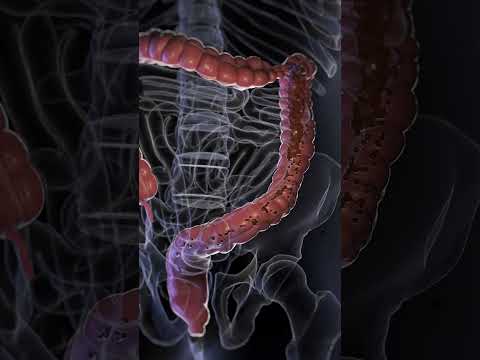
First, let’s talk about the digestive system. Picture your stomach and intestines as a long tube where food travels. If something goes wrong in this tube, it can lead to pain or loose stools. Common causes include infections, food intolerances, or conditions like irritable bowel syndrome (IBS).
Infections
Bacterial or viral infections are often culprits. For instance, think about food poisoning. Eating contaminated food can lead to abdominal cramps and diarrhea as your body tries to eliminate the toxins.
Food Intolerances
You know how some people can’t handle lactose? That’s an example of a food intolerance causing discomfort and diarrhea after consuming dairy products.
Chronic Conditions
Then there are chronic conditions like Crohn’s disease or ulcerative colitis, which involve inflammation of the digestive tract. These can cause persistent abdominal pain and unpredictable bowel movements.
- Gastroenteritis (stomach flu)
- Irritable Bowel Syndrome (IBS)
- Celiac Disease
- Diverticulitis
- Bacterial overgrowth in the small intestine
Certain medications may also contribute to these symptoms. For example, antibiotics can disrupt your gut flora—the good bacteria—and lead to diarrhea.
- Pill-induced gastritis
- Amphetamine use leading to rapid digestion
This reflection on abdominal pain and diarrhea highlights the importance of understanding various causes for proper diagnosis and treatment. Sometimes it’s just minor issues like stress affecting digestion; other times it’s more serious health concerns that need immediate attention.
If you experience persistent symptoms, consulting a healthcare professional is always wise for tailored advice based on personal history.