The information provided in this article is intended solely for general informational and educational purposes. It does not constitute medical advice, diagnosis or professional treatment, and should not be considered a substitute for consultation with a qualified doctor or other licensed healthcare professional. Any health-related decisions should be made in consultation with accredited medical professionals.
While efforts have been made to ensure the information is accurate and up to date, no guarantees are given—either express or implied—regarding its accuracy, completeness, currency or suitability. Use of this information is at your own discretion.
It is strongly recommended to consult official sources such as the NHS (National Health Service) or other recognised medical institutions before acting on any information contained on this website or article. Under no circumstances should professional medical advice be ignored or delayed due to content read here.
This content is of a general and informational nature only. It is not intended to replace individualised guidance from a healthcare professional or to establish any doctor-patient relationship. The publication of this information does not imply any professional responsibility, guarantee or obligation on the part of the author or this site.
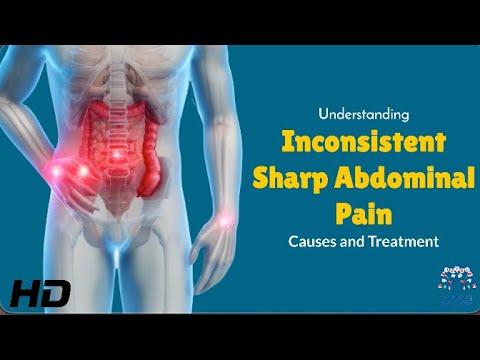
Have you ever felt a sudden, sharp twinge in your abdomen and wondered what was going on? It can be pretty alarming. Honestly, many people experience this kind of pain at some point in their lives. It might feel like a quick jab or a lingering ache, and figuring out why it’s happening isn’t always easy.
Inconsistent sharp abdominal pain can pop up for various reasons. Sometimes it could be something as simple as gas or indigestion. Other times, it might hint at a more serious issue that needs attention. The thing is, being aware of the potential causes matters because it can guide your next steps in seeking care.
This article will walk you through some common reasons for that pesky pain, along with practical care options. We’ll break it down so you can have a better understanding of what might be going on and when to reach out to a healthcare professional.
Remember, while we’re diving into these details together, this content doesn’t replace medical advice. It’s always best to consult with a healthcare provider when it comes to health decisions.
Unraveling the Mystery Behind Sudden Stomach Discomfort
We’ve all experienced that sudden, sharp pain in the belly at some point. It can be puzzling and a bit alarming at times. Understanding why this happens is useful—so let’s break it down.
Common Causes of Sharp Abdominal Pain
There are many reasons you might feel sharp stomach pain. Some are harmless, while others need attention. Think of your abdomen like a busy road with lots of cars (or organs) moving around!
- Indigestion:This often comes from overeating or eating too fast. You know that tight feeling after Thanksgiving dinner? That’s indigestion.
- Gas:Your digestive system produces gas as it breaks down food. Sometimes it can build up and cause sharp pains.
- Muscle Strain:If you’ve been lifting heavy things or doing intense workouts, your abdominal muscles can get sore – just like any other muscle.
- Constipation:A big backup in your intestines can lead to cramps and pains. It’s uncomfortable, trust me.
- Appendicitis:This is an inflammation of the appendix, usually beginning with mild pain that gets worse. If it escalates quickly, see someone!
When to Seek Care
If you’re wondering when to call for help, consider these signs: persistent pain that lasts more than a few hours, swelling or tenderness in the abdomen, fever coupled with pain or vomiting. Don’t hesitate if something feels very wrong.
Coping Strategies
Sometime you just want relief at home before heading to a clinic. Simple changes can help! For starters, try smaller meals instead of large ones; this gives your stomach less work! Staying hydrated is also super important.
If gas is bothering you, gentle movement like walking might help release trapped air. That’s right—movement supports digestion!
The Role of Stress
You know how sometimes stress affects your tummy? Your brain and gut communicate closely; think of them as teammates sharing info! High stress may trigger discomfort or even trigger digestive issues like irritable bowel syndrome (IBS).
A Holistic Approach
Consider lifestyle factors too: food choices matter; what you eat influences digestion significantly.Try keeping a food diary to identify any problematic foods – this may give insights into how different items affect your belly!
Taking Care of Yourself
Pain isn’t just physical; emotional well-being plays its part too! Relaxation techniques –like meditation or deep-breathing exercises– can ease both anxiety and stomach issues over time.
The bottom line? Frequent sharp stomach pains may not be normal but don’t panic right away! Knowledge equips you for better health practices.
Listen to your body because everyone experiences discomfort differently!
Uncovering the Hidden Causes Behind Your Stomach Discomfort
Understanding Inconsistent Sharp Abdominal Pain
Stomach discomfort can be really annoying, right? Sometimes it feels like a sharp jab, and other times it’s more of a dull ache. But why does it happen? There are various reasons that might contribute to this pesky pain.
Common Causes
One common cause is gas. You know, that bloated feeling? It can lead to sharp pains as air get trapped in your intestines. Diet plays a big role here. Foods high in fiber are great, but when eaten too quickly or in large amounts, they can cause trouble.
- Beans
- Broccli
- Carbonated drinks
Anothor reason could be related to digestion issues like acid reflux. This occurs when stomach acid sneaks back up into the esophagus—ouch! It’s often accompanied by heartburn and an uncomfortable sensation in the chest.
Food Intolerances and Allergies
You might be surprised to learn that food intolerances can also trigger sharp abdominal pain. Lactose intolerance is one example where the body struggles to digest lactose found in dairy products. Eating ice cream might seem fine, until it isn’t!
If you notice patterns with certain foods consistently causing problems, it’s worth discussing with someone who knows about nutrition or healthcare.
Stress and Anxiety Effects
Your gut feelings might just be literal! Stress can worsen stomach pain as well. Anxiety influences gut function, leading some people to experience sharp pains during stressful situations or anxiety attacks.
When Should You Worry?
If you’re experiencing intense pain, especially if it’s accompanied by other symptoms like vomiting or fever, it’s important to seek help. Appendicitis or gallbladder issues could be behind those intense bouts of pain. These conditions typically need professional attention.
Caring for Yourself at Home
If the discomfort isn’t severe, there are things you might try at home first—like keeping a food journal to track what you eat and how it makes you feel. It’s sort of like finding patterns until something clicks!
- Stay hydrated.
- Avoid heavy meals close to bedtime.
- Sip peppermint tea—it can soothe the digestive system.
A Final Thought on Your Gut Health
Your body is complex, and so is your digestive system! Understanding what may cause your abdominal discomfort takes time and patience. Keep listening to your body; after all, knowledge helps manage those annoying little mysteries of health better.
Understanding the Signs and When to Seek Help
Understanding Inconsistent Sharp Abdominal Pain
Sharp abdominal pain can feel alarming, right? Sometimes it comes and goes, leaving you confused about what might be happening inside your body. It’s important to understand the signs and know when it’s a good idea to seek help.
What Causes Sharp Abdominal Pain?
The causes can vary widely. Think of your abdomen as a busy area with multiple organs doing different jobs. For example, the stomach, intestines, appendix, and even reproductive organs in women all coexist in this space.
- Digestive Issues: Eating something that doesn’t agree with you can lead to sharp pains. Food intolerances or sudden changes in diet are common culprits.
- Gas or Bloating: Yes, really! Trapped gas can cause sharp discomfort and often resolves by itself.
- Appendicitis: When the appendix becomes inflamed, it usually begins as vague pain near the belly button before shifting to the lower right side. This requires immediate attention.
- Menstrual Cramps: Women might experience sharp pains during their cycle; this is often normal but could suggest underlying issues if severe.
Recognizing When to Seek Help
If your pain is mild and goes away quickly, it may not be a big deal. However, there are specific signs that should raise a red flag.
- If you feel persistent pain lasting more than a few hours or days; that’s not typical.
- Pain accompanied by fever suggests inflammation or infection—something to check out with a healthcare provider.
- Pain with changes in bowel habits or blood in stool indicates possible digestive issues needing attention.
- If you’re feeling nauseous or vomiting alongside sharp pain, especially if you can’t keep food down—get evaluated!
Your Body’s Signals Matter
Your body is like an alert system; it communicates when something’s off. Sometimes it’s hard to decipher those signals without feeling anxious. Remember, trusting your instincts is key; don’t ignore your discomfort if something feels seriously wrong!
A good rule of thumb? If you’re ever in doubt about your health condition—reach out for help! Getting peace of mind from assessing your symptoms is worth it. After all, being proactive about health means taking steps towards well-being—don’t hesitate!
Caring for Yourself at Home
You can manage some mild instances of abdominal pain at home first before seeking help. Resting up and staying hydrated is always smart—you know? Listening to what your body needs makes sense as well!
A warm compress over the painful area may offer comfort too! However, avoid heating pads on open wounds or areas of swelling since heat might worsen some conditions instead of helping them.
The bottom line is: Awareness plays a major role here! Pay attention to how frequently the pain occurs along with its intensity—that’ll guide you on whether it’s time for medical assistance or just some self-care at home!
Understanding Inconsistent Sharp Abdominal Pain: Causes and Care
Sharp abdominal pain can be really distressing. Sometimes it comes out of nowhere, making you wonder what’s going on inside your body. There are various reasons this kind of pain occurs, and they can range from something minor to something more serious.
One common cause is gas. You know how it feels when your stomach is bloated? That sharp discomfort often comes from trapped gas in the intestines. Eating too quickly or certain foods can trigger it. It usually doesn’t last long and tends to resolve by itself.
Another possibility is muscle strain. Think about lifting something heavy or even a sudden twist in your movement. Your abdominal muscles can react, causing sharp pain. This might happen during activities you don’t do often or after intense exercise.
However, consistent sharp pain shouldn’t be ignored. Conditions like appendicitis or gallstones can lead to significant issues if left untreated. Appendicitis usually starts with a dull pain around the belly button and then moves to the lower right side—accompanied by fever or nausea.
Gallstones might present as intense pain in the upper right area of the abdomen, especially after eating fatty meals. If the pain lasts for several hours or keeps coming back, it’s wise to check in with a healthcare provider.
You might ask yourself what you should do if you’re facing this issue? First off, keeping track of when the pain occurs and what you’re doing at that time is helpful information for any doctor visits later on.
Managing anxiety about unexplained pains is important too; try deep breathing exercises or talking it out with someone who understands your concerns. Remember that while many causes of sharp abdominal pain are not serious, staying informed and seeking care when needed adds peace of mind.
Pain in our bodies communicates something important—it’s our job to listen carefully!