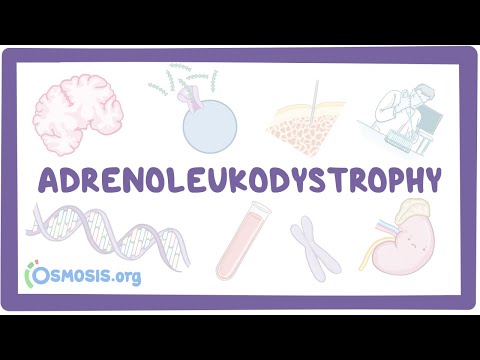
Adrenoleukodystrophy, often called ALD, is a rare genetic disorder that primarily affects the nervous system and adrenal glands. Imagine a highway of communication within our body that becomes blocked or damaged. This disruption can lead to serious consequences, affecting how our brain functions and how our body manages certain hormones.
Understanding ALD starts with knowing its roots. It’s caused by mutations in a gene responsible for breaking down fatty acids. These fatty acids then accumulate in the body, leading to various challenges based on the type of ALD one has.
There are different forms of ALD, including childhood-onset, which typically presents early in life, and adult-onset types that may surface later. Each type carries its own set of symptoms and progression rates.
Symptoms can vary widely, from behavioral changes and cognitive decline to physical issues like weakness or vision problems. It’s crucial for families to recognize these signs early for better management.
While learning about ALD is important, it’s equally vital to approach this topic responsibly. Do not rely solely on internet searches or single sources. Seek information from various specialists like geneticists, neurologists, and endocrinologists. Reading reputable medical articles or joining support groups can also provide valuable insights.
By educating ourselves through multiple perspectives, we empower ourselves and others affected by this condition. Stay curious but informed!
The information provided in this article is intended solely for general informational and educational purposes. It does not constitute medical advice, diagnosis or professional treatment, and should not be considered a substitute for consultation with a qualified doctor or other licensed healthcare professional. Any health-related decisions should be made in consultation with accredited medical professionals.
While efforts have been made to ensure the information is accurate and up to date, no guarantees are given—either express or implied—regarding its accuracy, completeness, currency or suitability. Use of this information is at your own discretion.
It is strongly recommended to consult official sources such as the NHS (National Health Service) or other recognised medical institutions before acting on any information contained on this website or article. Under no circumstances should professional medical advice be ignored or delayed due to content read here.
This content is of a general and informational nature only. It is not intended to replace individualised guidance from a healthcare professional or to establish any doctor-patient relationship. The publication of this information does not imply any professional responsibility, guarantee or obligation on the part of the author or this site.
Discover the Key Differences in Adrenoleukodystrophy Subtypes
Adrenoleukodystrophy (ALD) is a rare genetic disorder that primarily affects the nervous system and adrenal glands. Understanding its subtypes can help in recognizing symptoms and planning care.
Types of ALD include three main forms: cerebral, adrenomyeloneuropathy (AMN), and childhood-onset. Each subtype has distinct characteristics.
Diagnosis typically involves genetic testing to identify mutations in the ABCD1 gene. This mutation leads to the accumulation of VLCFAs (very long-chain fatty acids) that are toxic to cells.
Treatment approaches vary depending on the subtype. Some children might benefit from early interventions like Lorenzo’s oil or bone marrow transplant.
While there’s no one-size-fits-all answer for everyone with ALD, understanding these differences helps families make informed choices about management strategies.
It’s also crucial to recognize that living with ALD requires a comprehensive support plan tailored to individual needs. Collaboration with healthcare providers is key.
Research continues into therapies that may improve outcomes for all subtypes of ALD. Staying informed about advancements can empower families facing this condition.
Early recognition of symptoms can lead to better management options. Awareness is vital not only for caregivers but also for educators and healthcare providers.
In summary, knowing the key differences among the subtypes of Adrenoleukodystrophy promotes understanding and encourages proactive care decisions for those affected by this complex condition.
Unraveling the Mystery Behind a Rare Genetic Disorder
Adrenoleukodystrophy (ALD) is a rare genetic disorder that affects the nervous system and adrenal glands. It’s often described as a “silent thief” because symptoms can develop slowly and may go unnoticed for years.
What Causes ALD?
ALD is caused by mutations in a gene called ABCD1. This gene helps produce a protein that breaks down certain fatty acids in the body. When it doesn’t work properly, these fatty acids accumulate, leading to damage in brain cells and adrenal glands.
Who Does It Affect?
ALD primarily affects males, as it’s inherited in an X-linked manner. This means that the gene is located on the X chromosome. Women can be carriers but usually do not show symptoms or have milder forms of the disease.
Types of ALD
There are different forms of ALD:
What are the Symptoms?
Symptoms vary based on the type but may include:
: Diagnosing ALD involves clinical evaluations and genetic testing. MRI scans can reveal changes in brain structure associated with the condition.
Treatment Options: There’s no cure for ALD yet, but treatments focus on managing symptoms. Options include hormone replacement for adrenal issues and therapies aimed at support for cognitive functions.
Understanding this disorder can empower families facing it. Early diagnosis offers better management options, making awareness crucial.
Knowledge about conditions like ALD encourages informed health discussions among families, healthcare providers, and communities. Always consult with a healthcare provider for personalized information regarding any health issues you may face or suspect.
Uncovering the Warning Signs to Watch For
When it comes to understanding Adrenoleukodystrophy (ALD), spotting the warning signs early can be crucial. ALD is a genetic disorder that affects the brain and adrenal glands. It’s often linked to problems with fat metabolism in the body.
The symptoms of ALD can vary based on the type of the disorder, but there are some common signs to watch for:
Another significant aspect is adrenal insufficiency. It happens when your body doesn’t produce enough hormones from the adrenal glands.
Watch for these additional signs related to this condition:
It’s essential to note that not all cases present every symptom. Just like a puzzle, each individual piece contributes to a bigger picture.
If you or someone close is experiencing these signs, it’s important to talk about them with a healthcare provider. Knowledge is power, and early detection can make a difference in managing health over time.
Be aware that myths often surround conditions like ALD. For instance, not every behavior problem is connected to a serious illness; sometimes they are just typical childhood behaviors.
Understanding warning signs helps create pathways for early intervention and support. Staying informed allows for healthier decisions and better management strategies down the line.
Adrenoleukodystrophy (ALD) is a complex genetic disorder that primarily affects the nervous system and adrenal glands. Understanding its causes, types, and symptoms is crucial for early diagnosis and intervention.
Causes: ALD is primarily caused by mutations in the ABCD1 gene. This gene is responsible for producing a protein that helps transport fatty acids into peroxisomes, where they are broken down. Without this function, very long-chain fatty acids accumulate in cells, leading to damage.
Types: ALD can be divided into several types based on age of onset and progression. The most common form is childhood cerebral ALD, which occurs typically between ages 4 and 10 and progresses rapidly. There are also adrenomyeloneuropathy (AMN), which affects adults more slowly, and the less common forms affecting females or presenting with milder symptoms.
Symptoms: Symptoms vary widely among individuals but may include behavioral changes, difficulty with movement and coordination, vision problems, and adrenal insufficiency symptoms like fatigue or weight loss. Early recognition of these signs can lead to better management options.
By fostering awareness of ALD’s complexities, we can support affected individuals better while advocating for necessary research into therapies that may improve outcomes. As always, informed discussions with healthcare providers are vital for navigating this challenging condition effectively.