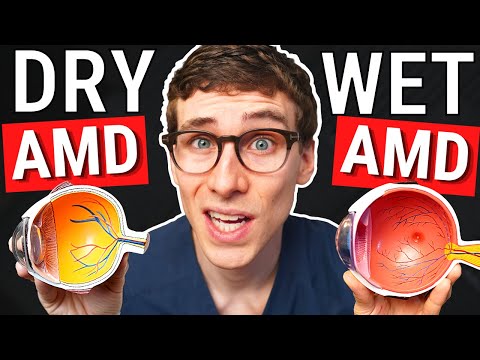
Age-Related Macular Degeneration (AMD) is a condition that affects the central part of your vision, making it difficult to see fine details. Imagine trying to read a newspaper or recognize faces in a crowd when parts of your central vision become blurry or distorted. While AMD is primarily linked to aging, understanding its complexities can empower you to take action and make informed health choices.
Every day, our eyes work tirelessly, allowing us to enjoy the beauty around us. But as we age, certain changes can occur in our eyes. Learning about AMD can open your eyes—no pun intended—to new ways of protecting your sight and maintaining quality of life as you age.
However, it’s essential to approach this topic with caution. Not all information is created equal, and misinformation can lead to unnecessary fear or false hope. Always consult multiple specialists, such as eye doctors or optometrists, and seek credible sources when researching AMD. Relying on diverse perspectives ensures you receive well-rounded advice tailored to your unique situation. Your eyesight is precious—taking the time to educate yourself responsibly is vital for making informed decisions about your eye health.
The information provided in this article is intended solely for general informational and educational purposes. It does not constitute medical advice, diagnosis or professional treatment, and should not be considered a substitute for consultation with a qualified doctor or other licensed healthcare professional. Any health-related decisions should be made in consultation with accredited medical professionals.
While efforts have been made to ensure the information is accurate and up to date, no guarantees are given—either express or implied—regarding its accuracy, completeness, currency or suitability. Use of this information is at your own discretion.
It is strongly recommended to consult official sources such as the NHS (National Health Service) or other recognised medical institutions before acting on any information contained on this website or article. Under no circumstances should professional medical advice be ignored or delayed due to content read here.
This content is of a general and informational nature only. It is not intended to replace individualised guidance from a healthcare professional or to establish any doctor-patient relationship. The publication of this information does not imply any professional responsibility, guarantee or obligation on the part of the author or this site.
A Clear Guide to Understanding a Common Vision Condition
Age-Related Macular Degeneration (AMD) is a common eye condition. It primarily affects older adults and leads to vision loss. Understanding this condition is key to managing it effectively.
AMD occurs when the macula, the central part of your retina, deteriorates. The macula is responsible for sharp, detailed vision used for reading or recognizing faces.
There are two main types of AMD: dry and wet.
Symptoms may include straight lines appearing wavy or blurry spots in your vision. Some may also have difficulty seeing in low light.
Risk factors include age, genetics, smoking, and diet. If you have a family history of AMD, you may be at higher risk.
Regular eye exams are essential for detecting early signs of this condition. Even if you feel fine, it’s important to monitor your eye health as you age.
While there’s currently no cure for AMD, certain treatments can help manage it. For wet AMD, treatments often involve injections that target abnormal blood vessels.
Lifestyle changes can also play a role in supporting eye health:
It’s vital to discuss any concerns with an eye care professional. They can provide guidance tailored to your individual situation.
Remember that many people live well with AMD by making adjustments and seeking support when needed. Knowledge is power; understanding this condition empowers you to take proactive steps for your vision health.
Unraveling the Confusion: Understanding Two Distinct Conditions Affecting Vision
When we talk about vision problems, two conditions often come up: age-related macular degeneration (AMD) and diabetic retinopathy. Both affect the retina but are quite different in their causes and effects.
Age-related macular degeneration primarily affects older adults. It involves the deterioration of the macula, the part of the retina responsible for sharp central vision. AMD can make it hard to see fine details. Imagine trying to read a book where some letters are blurry or missing.
There are two main types of AMD: dry and wet. Dry AMD is more common and generally progresses slowly. Wet AMD, however, can cause rapid vision loss due to abnormal blood vessel growth under the retina.
On the other hand, diabetic retinopathy occurs in people with diabetes. Here, high blood sugar levels damage blood vessels in the retina. Think about a garden hose that gets kinked or blocked; this is similar to what happens with retinal blood vessels.
This condition develops in stages. Early on, you may not notice symptoms at all. As it worsens, you might experience blurred vision or spots that block your view—like trying to watch a movie through a dirty window.
While both conditions lead to vision loss, their risk factors differ significantly:
Understanding these differences helps clarify why certain preventive measures matter more for each group. For instance, maintaining healthy blood sugar levels is crucial for those with diabetes to prevent retinopathy.
It’s also important not to confuse these two conditions since treatments vary significantly between them. Regular eye exams can help catch either condition early when they’re easier to manage.
In conclusion, being informed about age-related macular degeneration and diabetic retinopathy empowers you to take proactive steps toward your eye health. Knowing your risks and talking about them with healthcare professionals can aid in prevention and management strategies tailored just for you.
Uncovering the Key Signs of a Common Vision Threat
Age-related macular degeneration (AMD) is a leading cause of vision loss. It often sneaks up on people, making awareness crucial. By knowing the signs, you can take action sooner.
What is AMD?
This condition affects the macula, the part of your eye that allows you to see fine detail. Think of it like a camera lens. If that lens gets dirty or damaged, your pictures won’t be clear.
Signs to watch for:
–
–
–
–
If you experience any of these signs, don’t brush them aside. Many people think it’s just part of aging, but it could be something more serious.
The risk factors:
Age plays a significant role—those over 50 are at higher risk. Genetics also matters. If family members have had AMD, you may need to be extra vigilant.
Lifestyle choices can help:
Eating a balanced diet rich in fruits and vegetables can support eye health. Regular exercise and not smoking are also beneficial.
It’s easy to dismiss changes in vision as normal aging. However, staying informed empowers you to take control. Regular eye exams are key! They can catch issues early when they’re easier to manage.
As with any health concern, consult a professional if you’re worried about your vision. Knowledge is power when it comes to health decisions!
Understanding age-related macular degeneration (AMD) opens a window into how our vision can change as we grow older. AMD affects the central part of the retina, known as the macula, which is crucial for sharp, detailed vision. As we age, the risk of developing this condition increases, making it vital to recognize and address its implications.
Prevalence and Impact: AMD is one of the leading causes of vision loss among older adults. It can significantly alter daily life activities such as reading, driving, and recognizing faces. These changes can lead to feelings of isolation and frustration.
Types: There are two main types of AMD: dry and wet. The dry form is more common and progresses slowly over time. In contrast, wet AMD occurs when abnormal blood vessels grow under the macula, potentially leading to rapid vision loss.
Symptoms: Early stages may not present noticeable symptoms. As the condition progresses, people might experience blurriness or dark spots in their central vision. Regular eye check-ups are crucial for early detection.
Risk Factors: While aging is a primary risk factor, genetics also play a role. Other factors include smoking and poor diet. Understanding these risks helps in making informed lifestyle choices that might reduce potential complications.
Treatment Options: Although there’s no cure for AMD yet, treatments can help slow its progress or improve quality of life. Options vary from nutritional supplements to advanced therapies for wet AMD.
In reflecting on AMD through this new perspective, it’s clear that awareness is key. Educating ourselves about symptoms and risk factors empowers us to seek interventions early on.
Ultimately, fostering an environment where open conversations about eye health take place can lead to better outcomes for those affected by this condition. Understanding age-related macular degeneration isn’t just about what happens to our eyes; it’s about enhancing our overall well-being as we navigate aging together.