The information provided in this article is intended solely for general informational and educational purposes. It does not constitute medical advice, diagnosis or professional treatment, and should not be considered a substitute for consultation with a qualified doctor or other licensed healthcare professional. Any health-related decisions should be made in consultation with accredited medical professionals.
While efforts have been made to ensure the information is accurate and up to date, no guarantees are given—either express or implied—regarding its accuracy, completeness, currency or suitability. Use of this information is at your own discretion.
It is strongly recommended to consult official sources such as the NHS (National Health Service) or other recognised medical institutions before acting on any information contained on this website or article. Under no circumstances should professional medical advice be ignored or delayed due to content read here.
This content is of a general and informational nature only. It is not intended to replace individualised guidance from a healthcare professional or to establish any doctor-patient relationship. The publication of this information does not imply any professional responsibility, guarantee or obligation on the part of the author or this site.
Understanding Lattice Degeneration: Risks and Insights
Have you ever thought about how little we know about what happens at the back of our eyes? It’s pretty wild, right? Well, lattice degeneration is one of those things that sounds complicated but is actually quite relatable. It’s like discovering a hidden part of your favorite book—you want to know what’s going on!
Lattice degeneration refers to a change in the retina, that delicate layer at the back of your eye. You might not even notice it happening. But understanding it is important because it can lead to bigger issues down the line, like retinal tears or detachment.
This article will break down what lattice degeneration is in simple terms. We’ll discuss its risks and share insights on why keeping an eye on your eye health matters. The goal here is to equip you with knowledge so you can be proactive about your health.
Remember, this information doesn’t replace professional medical advice. Always consult a healthcare provider when making decisions about your health.
Nurturing Your Vision: Essential Nutrients for Lattice Degeneration Support
Lattice degeneration is a condition related to the retina, the light-sensitive tissue at the back of your eye. It can lead to vision problems, but understanding it better might bring some peace of mind. So, what role do nutrients play in supporting eye health?
What is Lattice Degeneration?
Imagine your retina as a delicate film stretched across a window. Lattice degeneration appears like fine cracks or “lattices” on this film. These areas are weaker and can sometimes lead to more serious issues. But don’t worry; proper nutrition might help your eyes stay healthier.
Essential Nutrients for Eye Health
- Vitamin A: You know how carrots are said to be good for your eyes? That’s because vitamin A helps maintain healthy vision and may prevent night blindness too.
- Vitamin C: Found in citrus fruits and berries, this vitamin acts like an antioxidant. Antioxidants help fight damage from harmful molecules in our bodies.
- Vitamin E: Nuts and seeds are great sources of vitamin E. It also protects your eyes by fighting oxidative stress—the cell damage caused by everyday processes.
- Zinc: This mineral is found in meats, beans, and whole grains. Zinc plays a part in transporting vitamin A from the liver to the retina, which is crucial for maintaining eyesight.
- Lutein and Zeaxanthin: These are antioxidants found in green leafy veggies like spinach or kale. They’re known to filter out harmful blue light—kind of like sunglasses for your eyes!
The Impact of Diet
You might be wondering how these nutrients fit into everyday eating? Honestly, it’s all about variety! Including colorful fruits and veggies can cover many bases nutritionally.
If you enjoy cooking, experimenting with new recipes featuring these ingredients can keep meals fun while also supporting eye health. It’s not just about one nutrient; it’s about having a balanced diet that helps overall well-being.
A Healthy Lifestyle Matters Too
You know how they say that exercise is good for you? Well, it’s true! Regular physical activity improves circulation, which is great for all organs—not just the heart but also the eyes!
Avoid smoking if you can—it harms not only lungs but also eyesight over time. Keeping alcohol intake moderate can also be helpful; moderation seems key when it comes to protecting our health.
Caution About Supplements
A lot of people think taking supplements is an easy solution to fill any gaps left by diet—sometimes they don’t do what we hope they will. Always check with someone knowledgeable before starting any new vitamins or minerals.
Your Vision Journey
Nurturing your vision isn’t just about one thing; it’s a mix of many elements coming together: proper nutrition, lifestyle choices, and regular check-ups with an eye care professional if needed.
Caring for your eyes may take effort now, but it could pay off later on. If you’ve got any concerns about lattice degeneration or eye health generally—talking openly with loved ones or professionals makes all the difference!
Understanding the Risks and Implications for Your Eye Health
Understanding Lattice Degeneration
Lattice degeneration is a condition that affects the peripheral retina, the part of your eye that helps you see outside your main focus. It sounds kind of complex, but let’s break it down.
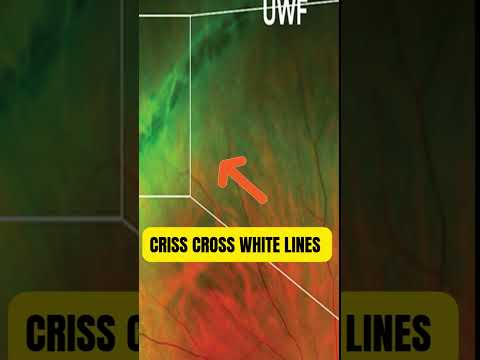
Imagine your retina like a large blanket stretched tightly over a bed. If there are some weak spots in that blanket, it can get holes or tears. That’s basically what happens with lattice degeneration—it’s like having little areas where the fabric becomes thinner.
What Causes Lattice Degeneration?
The exact cause isn’t completely understood, but it often relates to how our eyes change as we age. Sometimes it can run in families, which means genetics plays a role. Other times, if someone is very nearsighted or has had trauma to their eye, they might be more likely to develop it.
What Are the Risks?
The main concern with lattice degeneration is the potential for retinal tears or detachment. This is when the retina starts pulling away from its normal position—think of peeling wallpaper off the wall! If that happens, you can experience symptoms like sudden flashes of light or seeing floaters (those squiggly things).
If you notice changes in your vision like these, it’s important to see an eye care professional right away.
Symptoms and Diagnosis
Often, lattice degeneration doesn’t cause symptoms until there’s a complication. Some people may not even know they have it unless an eye exam reveals it. Regular check-ups are key!
- Flashes of light: You might see sparkles out of the corner of your eye.
- Floaters: Random little dots or spiderwebs floating in your field of vision.
- Blurry vision: Things might seem less sharp than usual.
Treatment Options
If lattice degeneration is diagnosed early and without issues like tears or detachments, treatment might not be necessary at all. However, monitoring through regular visits will help catch any changes early on.
If you do have tears or risks for detachment, doctors may recommend laser treatment to seal those weak spots—like patching up that blanket we talked about earlier!
Your Eye Health Matters
A healthy lifestyle can help support eye health too! Eating well—like plenty of fruits and veggies—exercising regularly and protecting your eyes from UV light are simple steps everyone can take.
A Final Note
Lattice degeneration isn’t uncommon and doesn’t always lead to serious issues if managed correctly. Always prioritize regular check-ups with an eyecare professional because prevention and early intervention can make a real difference in maintaining your eyesight over time!
Unmasking the Subtle Signs of Eye Health Issues
Understanding Lattice Degeneration
Lattice degeneration is a change that occurs in the peripheral part of the retina. The retina is like a movie screen at the back of your eye that helps you see. When we talk about lattice degeneration, we’re looking at thinning or weakening areas in this screen. Imagine an old, delicate fabric that starts to fray—that’s similar to what happens here.
Recognizing the Signs
The tricky part about lattice degeneration is that many people don’t notice any symptoms at first. It often goes undetected until someone has an eye exam. Sometimes, changes in your vision might occur, like seeing flashes of light or new floaters—those little spots that drift around when you look at something bright.
What Causes Lattice Degeneration?
While the exact cause isn’t fully understood, age plays a role. As we get older, our eyes naturally change, sort of like how our skin loses elasticity over time. Genetics can also be involved; if someone in your family has had eye issues, you might be more at risk too.
Who’s At Risk?
If you’re nearsighted (myopic), there’s a higher chance you could develop lattice degeneration. Nearsighted folks often have longer eyeballs, which can put stress on the retina and contribute to this condition. Also, people with certain eye conditions are more likely to experience issues with their retinas.
The Risks Involved
Lattice degeneration itself isn’t usually an immediate problem but it can increase your risk for more serious issues like retinal tears or detachments. Think of it as having cracks in a windshield; they may not hinder your driving right now, but if they spread or worsen… well, you see where I’m going with that.
Regular Eye Exams Matter
This brings us to why regular eye check-ups are so important! They can help catch lattice degeneration before it leads to bigger problems. An optometrist or ophthalmologist will check for these changes during a comprehensive eye exam using special tools and techniques.
A Quick Note on Symptoms
If you ever experience sudden flashes of light or new floaters right away—don’t wait! Get those checked out promptly because those can be signs of retinal tears which need attention sooner rather than later.
Taking Control of Your Eye Health
You can’t control every risk factor related to lattice degeneration but keeping up with regular visits to an eye care professional is key! Also maintaining overall health through good nutrition and protective eyewear can make a difference too!
Your eyes will thank you by continuing to provide clear vision for years down the road.
Understanding Lattice Degeneration: Risks and Insights
Lattice degeneration can sound really complex, but it’s a condition affecting the retina—the light-sensitive layer of tissue at the back of your eye. Think of the retina like the film in a camera; if there’s an issue there, the images you see might not be clear. So, what is lattice degeneration exactly?
Essentially, this condition involves thinning or weakening of the retina. It usually presents as a pattern that looks like latticework or fishnet. While it can be quite common and often doesn’t lead to serious issues, it does come with some risks. In some cases, lattice degeneration may increase the chances of retinal tears or detachment.
If you’ve had a family history of these eye conditions, it’s wise to keep an eye—pun intended—on your retinal health. Regular check-ups with an eye specialist become essential because they can catch potential complications early.
People often wonder about symptoms and when to worry. The tough part is lattice degeneration itself may not cause any noticeable symptoms initially. However, if you suddenly notice flashes of light or floaters in your vision, that could signal a problem requiring immediate attention.
Management typically involves monitoring rather than intervention unless things progress towards more severe outcomes like retinal detachment. This makes education important—understanding your risks and staying informed empowers better decision-making regarding your visual health.
In hindsight, sharing this information can really help demystify something that might feel alarming at first glance. It’s all about taking proactive steps for our eyes just like we do for our overall well-being.