The information provided in this article is intended solely for general informational and educational purposes. It does not constitute medical advice, diagnosis or professional treatment, and should not be considered a substitute for consultation with a qualified doctor or other licensed healthcare professional. Any health-related decisions should be made in consultation with accredited medical professionals.
While efforts have been made to ensure the information is accurate and up to date, no guarantees are given—either express or implied—regarding its accuracy, completeness, currency or suitability. Use of this information is at your own discretion.
It is strongly recommended to consult official sources such as the NHS (National Health Service) or other recognised medical institutions before acting on any information contained on this website or article. Under no circumstances should professional medical advice be ignored or delayed due to content read here.
This content is of a general and informational nature only. It is not intended to replace individualised guidance from a healthcare professional or to establish any doctor-patient relationship. The publication of this information does not imply any professional responsibility, guarantee or obligation on the part of the author or this site.
Have you ever felt like your nose is constantly dry, or even worse, like it’s not working the way it should? You’re not alone. Atrophic rhinitis affects many people, often leaving them frustrated and searching for answers. This condition can really impact your quality of life.
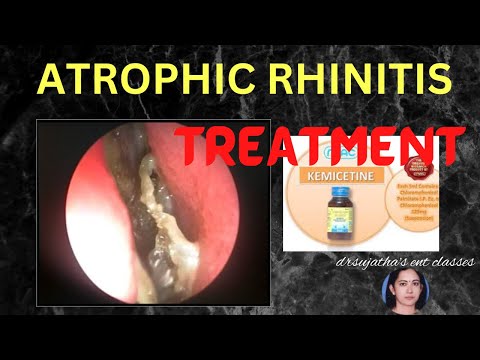
So, what exactly is atrophic rhinitis? It’s a chronic inflammation of the nasal cavity that leads to dryness and thickening of the mucous membranes. Sounds complicated? Don’t worry; it’s simpler than it sounds. You might notice symptoms like crusting or bleeding in the nose, which can be pretty annoying.
This article dives into understanding this condition—its causes, available treatments, and even surgical options if necessary. We’ll break things down so you can grasp it all easily.
Remember though, while this information is helpful for understanding atrophic rhinitis better, it’s not a substitute for professional medical advice. Always consult a healthcare provider when making health decisions.
Finding Relief and Restoring Comfort for Your Nasal Health
Understanding Atrophic Rhinitis
Atrophic rhinitis is a condition that can really impact your nasal health. It’s characterized by the thinning and inflammation of the nasal mucosa, which is the lining inside your nose. Imagine your nose’s natural lining like a cozy blanket—it helps keep things comfortable and healthy. When it gets thin, that comfort disappears.
What Causes It?
The causes of atrophic rhinitis can vary. Sometimes it’s due to long-term nasal infections or conditions like allergies. Other times, it might happen after surgery to the nose or even from exposure to certain chemicals over time. Picture this: if you keep rubbing a spot on your arm, eventually it may become sore and thin out—it’s kind of similar with atrophic rhinitis.
- Nasal infections: Persistent issues can change how your nose functions.
- Surgery: Procedures on the nasal passages may inadvertently lead to thinning.
- Environmental factors: Polluted air or irritants like smoke contribute too.
Recognizing Symptoms
Symptoms often include dryness in the nose, crusting, and sometimes even bleeding. You might also experience an odd smell or taste that just won’t go away. Think about how distracting a persistent itch can be; that’s what these symptoms feel like!
Treatments for Relief
If you’re dealing with this condition, relief is definitely possible! Treatments usually focus on moisturizing the nasal passages and keeping them clear of crusts. Saline sprays or gels are commonly advised. These products help hydrate the dry tissues inside your nose, acting like watering plants that have been without rain for too long.
- Saline sprays: They add moisture without causing any harm.
- Nasal gels: A thicker option for longer-lasting relief.
- Avoid irritants: Steering clear from smoke and strong odors makes sense!
Surgery as an Option
Surgical options are available for more severe cases but usually come into play when other treatments don’t quite cut it. Surgery aims to restore comfort and function in these instances but isn’t something to jump into lightly. It’s crucial to weigh benefits against risks, much like deciding whether or not to take a new route home based on how comfortable you feel driving through unfamiliar places.
- Mucosal grafting: This involves transplanting tissue to thicken up areas.
- Selective surgery: Targeted procedures may help relieve specific symptoms.
Your Best Steps Forward
If you’re experiencing symptoms associated with atrophic rhinitis, reaching out for advice from someone knowledgeable in health matters is important! Keeping track of how often symptoms flare up can help during discussions about treatment options—it’s all part of finding what works best for you!
You know? Everyone’s body responds differently; what works wonders for one person may not work as well for another. So don’t hesitate—sharing what you’re feeling helps in figuring out the best path forward!
// This approach should equip you with understanding around atrophic rhinitis while ensuring comfort in managing those pesky symptoms.
Effective Solutions for Relieving Symptoms Naturally
Understanding Atrophic Rhinitis
Atrophic rhinitis is a condition that affects the nasal lining. Basically, the inside of your nose becomes thin and dry. It can lead to issues like crusting, bleeding, or even foul odors. It’s not super common, but it can be uncomfortable.
Causes
The exact reasons behind atrophic rhinitis aren’t entirely clear. Sometimes it’s linked to previous nasal surgeries or chronic infections. Environmental factors like dry air can also play a role. Imagine your nose as a garden; if the conditions aren’t right, the plants won’t thrive.
Symptoms
- Dryness in the nose
- Nasal crusting
- Bleeding
- Reduced sense of smell
- Mucous that is very thick
Treatments for Atrophic Rhinitis
Treating atrophic rhinitis can be tricky since it’s often about managing symptoms rather than curing it outright. Saline nasal sprays are quite common and they help to moisturize the nasal passages.
You might also come across humidifiers—these add moisture to the air, which can be really helpful in dry environments. Think of it like putting water on a wilting plant; sometimes all you need is a little hydration!
If you’re exploring natural ways to ease symptoms, consider some herbal remedies too. Certain oils like tea tree oil have antiseptic properties and could help with infection prevention when used carefully.
Your diet matters as well! Foods rich in omega-3 fatty acids, such as salmon or walnuts, might help reduce dryness by supporting overall skin health—including the skin inside your nose.
Surgery: When Is It Considered?
Surgery isn’t usually the first step for atrophic rhinitis but sometimes it’s necessary if other treatments don’t work. Procedures might involve reconstructing parts of the nasal passage to improve function and airflow. However, this comes with risks and isn’t taken lightly.
A Few Key Takeaways
The thing is you’ll want to talk with someone knowledgeable about your specific situation before trying any new treatments or remedies. Everybody’s different! What works for one person might not work for another.
If you do choose natural approaches, always proceed with caution—some herbal products can interact with medications or cause side effects too!
This condition may feel daunting at first glance, but remember that there are management strategies available. With time and patience—and maybe a bit of trial and error—you can find what helps you feel more comfortable.
Exploring the Visual Impact of Atrophic Rhinitis
Understanding Atrophic Rhinitis
Atrophic rhinitis is a condition that affects the nasal passages, leading to a decreased function of the mucous membranes. But what does this mean in real life? Basically, your nose’s ability to produce mucus and protect itself gets impaired. You might notice things like a dry nose, difficulty breathing, and even crusting.
Causes of Atrophic Rhinitis
The causes can vary. Sometimes it’s due to environmental factors like pollution or harsh weather. Other times, it could be linked to infections or chronic use of nasal decongestant sprays that dry out your nasal tissues.
Genetics also plays a role—some people are just more prone to this condition for reasons we don’t completely understand yet. Think of it as how some folks get colds easily while others hardly ever do: it’s in their makeup.
Visual Impact
You may wonder about the visual impact. Atrophic rhinitis can lead to noticeable changes in the nasal area. When the tissue becomes thinner, it can give an appearance of more prominent bones on your face, particularly around your nose.
This might make individuals feel self-conscious about how they look. If you’ve ever seen someone with a really pronounced nasal bridge or defined contours around the nostrils—it could be related! It’s something worth considering when discussing treatment options.
Treatments Available
Treating atrophic rhinitis usually involves several methods aimed at restoring moisture and improving symptoms. Saline nasal sprays are quite common; they help keep your nasal passages hydrated.
Sometimes doctors recommend using humidifiers at home so you’re not exacerbating dryness while you sleep or during cold months. This is kind of like adding moisture back into dry air—it keeps everything comfortable.
Surgical Options
If non-invasive treatments aren’t enough, surgery is an option that some people explore. Surgical interventions may involve techniques designed to restore normal function and structure of the nasal passages.
However, you should know that surgical options come with risks and benefits that must be carefully weighed by you and your healthcare team together.
Coping with Atrophic Rhinitis
If you’re living with atrophic rhinitis, remember that you’re not alone! Many face similar struggles with managing their symptoms while trying to maintain their quality of life.
- Breathe easier by staying hydrated—drink plenty of fluids!
- Avoid irritants such as smoke or strong perfumes which can make symptoms worse.
- Talk openly with others about how this impacts you; sharing experiences often helps!
A Call for Understanding
The more we talk about conditions like atrophic rhinitis, the better support there will be for those affected by it. Yes, there are visible effects on individuals but remember: what really matters is how one feels inside—not just what shows outside!
Understanding Atrophic Rhinitis: Causes, Treatments, and Surgery
Atrophic rhinitis is a condition that many might not be familiar with. It involves the atrophy, or thinning, of the nasal mucosa, which can lead to symptoms like nasal dryness and crusting. The thing is, this isn’t just an inconvenience; it can seriously affect a person’s quality of life.
Several factors contribute to atrophic rhinitis. One major cause is chronic inflammation in the nasal passages. This can be due to allergies or exposure to irritants like smoke or pollution. Sometimes, it’s linked to conditions that affect your immune system as well.
Treatments for Atrophic Rhinitis
Treatment often starts with conservative measures. Saline sprays are commonly recommended to keep the nasal passages moist. People might also benefit from using humidifiers in their homes, especially if they live in dry climates.
If these methods don’t help, doctors may suggest medications such as corticosteroids to reduce inflammation. Sometimes antibiotics might be prescribed if there’s an infection present.
Surgery as an Option
In more severe cases, surgery might be necessary. One option is called turbinate reduction—a procedure aimed at decreasing the size of structures inside your nose that help warm and humidify air as you breathe.
While surgery seems daunting, it can relieve symptoms significantly for those who haven’t found relief through other treatments.
Final Thoughts
Understanding atrophic rhinitis helps demystify a condition that many people struggle with silently. It’s crucial not only to recognize the symptoms but also seek help from healthcare providers when needed. Chronic conditions like this shouldn’t be brushed aside; support and treatment are available!