The information provided in this article is intended solely for general informational and educational purposes. It does not constitute medical advice, diagnosis or professional treatment, and should not be considered a substitute for consultation with a qualified doctor or other licensed healthcare professional. Any health-related decisions should be made in consultation with accredited medical professionals.
While efforts have been made to ensure the information is accurate and up to date, no guarantees are given—either express or implied—regarding its accuracy, completeness, currency or suitability. Use of this information is at your own discretion.
It is strongly recommended to consult official sources such as the NHS (National Health Service) or other recognised medical institutions before acting on any information contained on this website or article. Under no circumstances should professional medical advice be ignored or delayed due to content read here.
This content is of a general and informational nature only. It is not intended to replace individualised guidance from a healthcare professional or to establish any doctor-patient relationship. The publication of this information does not imply any professional responsibility, guarantee or obligation on the part of the author or this site.
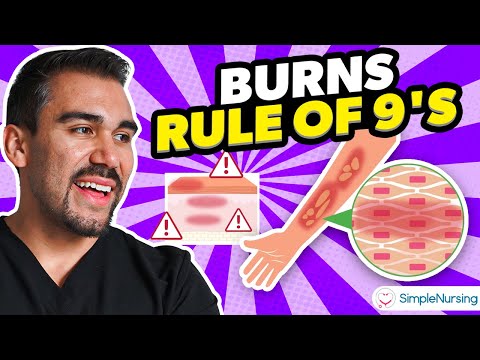
Have you ever brushed against a hot stove or spilled boiling water? Ouch! Burns can happen in an instant and leave us feeling pretty shaken. They’re actually one of the most common injuries we face in our daily lives, and really understanding them is super important. You know, it’s not just about slapping on a burn cream and hoping for the best.
In this article, we’ll dive into the different types of burns, from minor ones that might sting a little to more serious injuries that need immediate care. It’s crucial to recognize the symptoms so you can take action quickly. Sometimes it’s easy to overlook how severe a burn might be.
We’ll also talk about effective treatments—what works best for various burn types and when it might be time to seek professional help. But remember: this isn’t a substitute for medical advice. Always consult with a healthcare professional before making decisions about your health.
By the end, you’ll have a better grasp on how to handle burns safely and effectively—a skill that could come in handy at any moment.
Understanding the Different Degrees of Injury and Their Impact on Your Skin
Understanding Burns: Types, Symptoms, and Treatments
Hey there! Burns can be pretty scary. They happen when your skin gets damaged by heat, chemicals, electricity, or even radiation. The degree of a burn tells us how deep and serious the injury is. Let’s break it down.
First-Degree Burns
A first-degree burn is like a mild sunburn. It affects only the outer layer of skin, called the epidermis. You might notice redness and some pain, but it usually heals within a week without any scarring.
- Redness
- Pain or tenderness
- No blisters
- Heals in about 3 to 6 days
This kind of burn is annoying but not life-threatening. Just keep it cool and moisturized.
Second-Degree Burns
Now things get a bit more serious with second-degree burns. These go deeper into the skin, affecting both the epidermis and part of the dermis (that’s the layer beneath). You’ll see blisters form here.
- Intense redness
- Painful to touch
- Skin may look shiny or swollen
- Takes weeks to heal; scarring might happen
If you get this kind of burn from hot water or flames, it’s important to watch for signs of infection.
Third-Degree Burns
A third-degree burn is serious business. This one damages all layers of your skin and can also affect underlying fat tissue. The skin might appear white or charred.
- No pain in burned area (nerve endings may be damaged)
- Skin looks leathery or waxy
- Takes a long time to heal; often requires medical treatment like skin grafts.
- Potential for severe complications like infection or loss of function in that area.
This level needs immediate medical attention—don’t wait around! It’s crucial to manage these properly because they can lead to complexities down the line.
The Importance of Proper Treatment
You know what? Whatever degree your burn is, treating it well helps speed recovery and reduces scars. For first-degree burns, cool water works wonders. Second-degree burns? Clean them gently and cover with sterile dressings—or seek professional help if they look bad!
- Cleansing with mild soap & water works for minor burns.
- Avoid popping blisters!
- If needed, over-the-counter pain relievers can help reduce discomfort.
- First-degree burns: These affect just the outer layer of skin. Think sunburn; it gets red and maybe a bit painful, but usually heals within a week.
- Second-degree burns: These go deeper, affecting both the outer layer and part of the underlying skin. Blisters may form, and healing can take weeks.
- Third-degree burns: This is the most severe type. They damage all layers of skin and possibly even tissues underneath. Skin might look white or charred.
- Scalding: Hot liquids are particularly dangerous. For instance, a spilled cup of coffee can cause serious harm in seconds!
- Chemical exposure: Some household cleaning products can cause chemical burns if they touch your skin.
- Electrical sources: Electrical burns occur when an electrical current passes through the body—this could happen if you touch exposed wires.
- Redness
- Pain or tenderness
- Slight swelling
- Blisters
- Severe pain
- Skin that looks wet or shiny
- Brittle or waxy skin
- Brown or black areas on skin (charred)
- No pain in some areas due to nerve damage
- Cool down your burn under running water ASAP after injury.
- Avoid breaking blisters unless directed by a healthcare professional.
- Cleansing gentle is essential for healing; harsh scrubbing isn’t necessary.
- If concerned about infection signs—like increased redness or oozing—reach out to professionals promptly.
Myths About Burn Treatment
You may have heard some old wives’ tales about treating burns—not everything out there is true! For example, applying ice directly on a severe burn can do more harm than good! Instead, use cool compresses for relief without freezing your skin further.
Lorem ipsum…
Understanding the Factors Behind Burn Injuries
Understanding Burn Injuries
Burn injuries can be pretty serious, and it’s important to know what can cause them. Let’s break down the different types of burns and the factors that contribute to these sometimes life-altering injuries.
Types of Burns
There are three main types of burns: first-degree, second-degree, and third-degree. Each type varies in severity.
Factors Leading to Burn Injuries
A lot of things can lead to burn injuries. Common causes include heat sources like fire or hot liquids, but there are more variables at play here.
The Importance of Skin Care
Your skin acts as a barrier against many harmful elements. When you get burned, this barrier is compromised. This means that infections could set in more easily than they would normally.
Ages at Risk
Certain age groups are more vulnerable to burn injuries. For example, children often suffer scalds from hot beverages or flames because they’re less aware of danger. Older adults may have thin skin that’s more susceptible to injury from falls or minor heat exposure.
Treatment Considerations
If someone gets burnt, treatment varies depending on the type and severity of the burn. First aid for minor burns usually involves cooling the area with running water and covering it with a clean bandage. Not touching blisters is crucial; they protect underling skin as it heals!
This is where understanding treatment becomes crucial: second-degree or third-degree may require professional medical attention due to their risk for infections or complications.
You know, not every burn injury needs immediate hospital care—sometimes simple home remedies will suffice for mild ones.
Mental Health Impact
Burn injuries also have mental health angles that aren’t always talked about enough! Survivors may face emotional challenges like anxiety or depression due to aesthetic changes after recovery.
Support systems become really important here; talking with loved ones or professionals can help in coping with these feelings.
Your Responsibility
You should be aware that preventing burn injuries often comes down to being cautious in everyday life—whether it’s keeping hot liquids out of reach from kids or wearing protective gear while doing home repairs!
The bottom line? Educating yourself about how these injuries happen is key for yourself and those around you! With knowledge comes responsibility; let’s keep our environments safe together!
Quick Tips for Rapid Relief and Recovery
Understanding Burns: Types, Symptoms, and Effective Treatments
When talking about burns, there are really three main types: first-degree, second-degree, and third-degree. Each type affects the skin differently, so it’s important to know what you’re dealing with.
First-Degree Burns
These are the mildest form of burn. You know that feeling when you get sunburned? That’s a first-degree burn. It affects just the outer layer of skin, causing redness and mild swelling.
The symptoms usually include:
Second-Degree Burns
A second-degree burn goes deeper into the skin. It can cause blistering and more significant pain. Sometimes you might even see swelling or a shiny appearance on the skin where it’s burned.
Symptoms include:
Third-Degree Burns
This is the most severe type. Third-degree burns affect all layers of skin and can even damage underlying tissues. The area might look white or charred and surprisingly may not hurt as much because nerve endings could be damaged.
The symptoms can be quite alarming:
Treatments for Burns
If you ever find yourself dealing with a burn, what should you do? For first-degree burns, cool water can be really helpful. Just let cool water run over it for several minutes.
Mild pain relievers like ibuprofen might help ease discomfort too. But avoiding ice directly on a burn is a common mistake; that can worsen damage.
Caring for Second-Degree Burns
If blisters form, try to leave them intact—they help protect the underlying skin. If they break, gently clean the area with soap and water without scrubbing too hard.
You might want to cover it with a non-stick bandage to keep it safe from infection. And over-the-counter creams containing aloe vera may provide some soothing relief but always check for allergies first!
Third-Degree Burns Need Immediate Attention!
This kind truly requires professional medical help right away; don’t attempt home treatments! Cover it with a clean cloth or bandage until help arrives—no ointments here!
A Few Quick Tips for Relief and Recovery
You know how sometimes we think we understand something but really don’t? That’s why educating ourselves about burns is key! Always trust your instincts if something feels off—you know your body better than anyone else does!
Understanding Burns: Types, Symptoms, and Effective Treatments
Burns can be pretty overwhelming, both for those affected and their loved ones. They’re not just skin deep; understanding them requires some insight into the various types, symptoms, and treatments available.
Types of Burns
So, burns are categorized mainly by their depth. You have first-degree burns, which affect just the outer layer of skin. Think of a mild sunburn—that redness and discomfort? That’s it.
Then there are second-degree burns. They go deeper, affecting both the outer layer and the layer beneath it. These can be quite painful and might blister up. Lastly, third-degree burns extend through all layers of the skin and even affect underlying tissues. They can appear white or charred—definitely more serious.
Recognizing Symptoms
Symptoms vary with burn severity. First-degree burns usually present redness and minor swelling. Second-degree burns bring more intense pain along with blisters that can ooze fluid.
If someone has a third-degree burn, they might not feel pain right away because nerve endings could be damaged. This doesn’t mean it’s less serious—it truly is an emergency situation.
Treatments Available
Treatment largely depends on the burn type as well as its size and location on the body. For first-degree burns, cool compresses can help soothe discomfort along with over-the-counter pain relievers.
Second-degree burns may require more care; keeping them clean is key to preventing infection while allowing them to heal properly.
Now third-degree burns generally need immediate medical attention—hospitalization might be necessary for proper treatment which could include skin grafts to aid healing.
The Takeaway
The thing is, understanding burns helps us respond better in emergencies. Whether it’s simple first-aid measures for minor injuries or knowing when to seek professional help for severe cases—awareness is crucial!