The information provided in this article is intended solely for general informational and educational purposes. It does not constitute medical advice, diagnosis or professional treatment, and should not be considered a substitute for consultation with a qualified doctor or other licensed healthcare professional. Any health-related decisions should be made in consultation with accredited medical professionals.
While efforts have been made to ensure the information is accurate and up to date, no guarantees are given—either express or implied—regarding its accuracy, completeness, currency or suitability. Use of this information is at your own discretion.
It is strongly recommended to consult official sources such as the NHS (National Health Service) or other recognised medical institutions before acting on any information contained on this website or article. Under no circumstances should professional medical advice be ignored or delayed due to content read here.
This content is of a general and informational nature only. It is not intended to replace individualised guidance from a healthcare professional or to establish any doctor-patient relationship. The publication of this information does not imply any professional responsibility, guarantee or obligation on the part of the author or this site.
Essential Home Remedies for Treating Burns Safely
Have you ever accidentally touched a hot pan and wondered what to do next? It’s a common mishap, and burns happen more often than we think. You’re not alone if you’ve felt that sudden panic. A burn can be painful and scary, but knowing how to treat it safely can make all the difference.
In this article, we’ll explore some effective home remedies for treating burns. The thing is, while these remedies might help soothe your discomfort, they won’t replace professional medical advice. Every burn is unique, so it’s always wise to consult a healthcare professional for any concerns.
From kitchen accidents to sunburns, we’ll talk about simple strategies that can ease pain and promote healing. Some remedies might even be sitting in your pantry right now! So whether you’re treating a minor burn or just want to be prepared for emergencies, this information is here to offer support.
Let’s dive in and equip ourselves with knowledge on how to handle burns safely at home!
Quick Relief and Soothing Solutions for Everyday Burns
Understanding Burns
Burns are pretty common, and they can happen to anyone. Whether it’s a kitchen mishap or a sunburn, it’s essential to know how to care for them. Burns are classified into categories based on their severity: first-degree, second-degree, and third-degree.
First-degree burns affect only the top layer of skin. You might experience redness and some pain—think of a mild sunburn. Second-degree burns go deeper and can cause blisters along with swelling and pain. Third-degree burns are the most serious; they damage all layers of skin
and may even affect underlying tissues.
Home Remedies for Minor Burns
If you get a minor burn, there are some home remedies that might help soothe the pain. One common approach is cold water; running it over the burn immediately can help cool down the area.
- Aloe vera:This plant gel is often used for sunburns. It’s soothing and helps keep the skin hydrated.
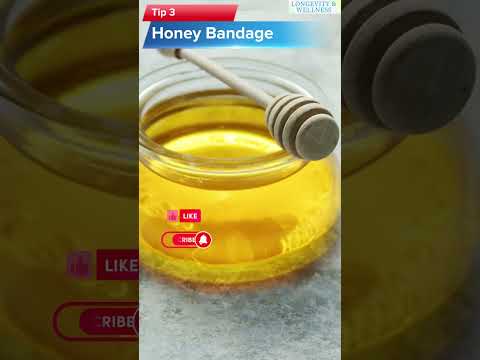
- Honey:This sweet substance isn’t just for tea! Honey has natural antiseptic properties, plus it’s great at moisturizing.
- Coconut oil:This oil might not only feel good when applied—some believe it supports healing too!
- Oatmeal:You can make an oatmeal paste with water—it’s excellent at relieving itchiness from burns.
Cautions When Using Home Remedies
While these remedies might feel good, always remember that not all burns are the same. If a burn is large or doesn’t seem to improve, seeking professional advice is really smart.
Easily overlooked signs like increasing redness, swelling beyond initial levels, or pus could indicate an infection or something more serious. And don’t forget about allergies—test any remedy on a small area first!
The Importance of First Aid Skills
Being prepared with basic first aid knowledge can make a big difference in situations involving burns. Knowing when to use cold compresses or when it’s necessary to seek medical help is very important.
If you’re unsure…
If you ever feel unsure about treating a burn yourself—don’t hesitate! Sometimes it’s just best to consult someone who knows more in-depth about these things than I do!
The Healing Process
The body does have an amazing way of healing itself over time; however taking care of your skin during this process is key. Staying hydrated and eating well also helps your body fight inflammation more effectively.
Discover Soothing Solutions You Can Try at Home
Essential Home Remedies for Treating Burns Safely
Hey there, dealing with burns at home can be a little tricky, but there are some soothing solutions you might want to consider. First off, it’s crucial to distinguish between minor burns—like sunburn or a light scald—and more serious ones which need medical attention. Minor burns usually heal on their own.
Cool Water
One of the first things you can do is run cool (not cold) water over the burn for about 10-20 minutes. This helps to reduce heat and provides instant relief. Think of it like giving your skin a little drink of water after it’s been too hot in the sun.
Aloe Vera
Aloe vera gel is another popular home remedy. It has soothing properties that can help calm the skin. You could slice open an aloe plant leaf and apply the fresh gel directly onto the burn. It feels nice and cool—kind of like nature’s first-aid! Just make sure you’re not allergic first.
Honey
You might also consider honey, which has natural antibacterial properties. Applying a thin layer might help to keep the burn moist, which is important for healing. Just remember to clean it gently before applying honey so you’re not trapping any dirt in there.
Cold Compress
A cold compress can be really helpful too. Simply take a clean cloth, soak it in cold water, and place it over the burn area for relief. It’s important though not to apply ice directly on burned skin as that could cause more damage.
Oatmeal Bath
If you’ve got several small burns or even just one large one that’s really bothering you, maybe try an oatmeal bath? Oatmeal can soothe irritated skin and may help with itching or discomfort as it heals.
Coconut Oil
Some people swear by coconut oil too! It contains fatty acids that may hydrate your skin while healing occurs—you could try applying it once the initial heat is gone from your burn.
The Importance of Keeping an Eye on It
No matter what remedy you choose, pay attention to how your burn looks over time. If you see increasing redness, swelling, or if it becomes very painful or starts leaking fluids—those could be signs you should seek professional advice!
Final Thoughts
Treating minor burns at home can often involve simple solutions found right in your kitchen or garden. Always remember though that everyone’s skin reacts differently—what works for one person might not work for another! Keeping things clean and hydrated plays a huge role in helping those little injuries heal smoothly over time.
If there’s ever any doubt about whether a specific treatment is right for you—or if symptoms get worse—it’s wise to check in with someone who knows more about these things.
Discover Effective Remedies for Fast Relief and Recovery
Understanding Burns
Burns can happen to anyone, anytime, whether you’re cooking in the kitchen or enjoying a bonfire. They range from mild redness to serious damage. The degree of a burn depends on how deep it goes into your skin.
There are three main types of burns: first-degree burns, which affect only the outer layer of skin; second-degree burns, which penetrate deeper and cause blisters; and third-degree burns that can damage all layers of skin and even underlying tissues.
Immediate Care for Burns
If you get burned, the first thing you want to do is cool it down. Running cool water over the burn for about 10-15 minutes works wonders! This helps reduce pain and swelling. Just avoid ice, as it could make things worse.
After cooling the burn, gently pat it dry with a clean cloth. That’s when some home remedies can help ease your discomfort.
Essential Home Remedies
- Aloe Vera: You know that succulent plant? It’s pretty popular for its soothing gel that can help calm red or inflamed skin.
- Coconut Oil: This natural oil also has properties that might help moisturize and protect burnt areas from infection.
- Honey: Believe it or not, honey has been used for centuries for its healing properties—it’s sticky but also great at creating a barrier against bacteria!
- Oatmeal: A soothing oatmeal bath can be really comforting if your burn is more significant. Just soak in warm water mixed with colloidal oatmeal to relieve itching.
The Importance of Hydration
Your body needs fluids to heal itself. Drinking plenty of water is essential after a burn since hydration helps maintain healthy skin and speeds up recovery.
Cautions with Home Remedies
You might have heard about various myths surrounding burns. For instance, putting butter on a burn isn’t exactly a good idea! It may trap heat in the skin instead of cooling it down.
If your burn looks bad—like if it’s blistered—seeking medical attention is important as home remedies alone might not be enough in such cases.
Recognizing When to Seek Help
- If the burn covers large areas or affects sensitive areas like face or genitals, it’s probably best to reach out for professional help sooner rather than later.
- If there are signs of infection—like increasing redness, swelling, or oozing—don’t wait around!
The Bottom Line
Treating burns at home has its place with simple remedies like aloe vera or honey but knowing when to get additional care is crucial too. Always listen to your body—it knows what’s best!
Essential Home Remedies for Treating Burns Safely
Burns can feel pretty scary, right? Whether it’s from hot water, fire, or even sun exposure, knowing how to respond makes a big difference. In this reflection, I’ll share some safe ways to manage burns at home.
First off, let’s talk about cooling the burn. The immediate step is to run cool (not cold) water over the affected area for 10-20 minutes. This helps reduce pain and stop the burn from worsening. Sometimes people think ice will work better, but that can actually cause more damage to the skin. You really wanna avoid that!
After cooling it down, you might want to cover it. Using a clean, non-stick bandage can keep bacteria out. Don’t use things like cotton or fluffy materials; they can stick and make removal painful.
Aloe vera gel is popular for treating minor burns; it’s soothing and has healing properties. Just make sure it’s pure aloe without additives. Honestly, it’s like giving your skin a gentle hug.
Now here’s something important: if a burn blisters up or covers a large area of your body—like hands or face—it’s best to seek professional help right away. Home remedies are great for small burns but not so much when things get serious.
Some people swear by honey as well; it’s got natural antibacterial properties and can help with healing too. Just apply a thin layer over the cooled burn before covering it with a bandage.
Also remember to watch out for signs of infection later on: increased redness, swelling, or pus are red flags you shouldn’t ignore.
In Summary
Burns need proper care, even when treated at home. Always start by cooling them down and keeping them protected from infection. Simple remedies like aloe vera or honey can be effective for minor burns too! But don’t hesitate to reach out for medical attention when in doubt—sometimes it’s better safe than sorry!