The information provided in this article is intended solely for general informational and educational purposes. It does not constitute medical advice, diagnosis or professional treatment, and should not be considered a substitute for consultation with a qualified doctor or other licensed healthcare professional. Any health-related decisions should be made in consultation with accredited medical professionals.
While efforts have been made to ensure the information is accurate and up to date, no guarantees are given—either express or implied—regarding its accuracy, completeness, currency or suitability. Use of this information is at your own discretion.
It is strongly recommended to consult official sources such as the NHS (National Health Service) or other recognised medical institutions before acting on any information contained on this website or article. Under no circumstances should professional medical advice be ignored or delayed due to content read here.
This content is of a general and informational nature only. It is not intended to replace individualised guidance from a healthcare professional or to establish any doctor-patient relationship. The publication of this information does not imply any professional responsibility, guarantee or obligation on the part of the author or this site.
Have you ever cut your hand while cooking or maybe banged it against a hard surface? It happens to the best of us! In fact, hand injuries are among the most common types of accidents we face every day. They’re often surprising but can be managed effectively with the right knowledge.
The thing is, knowing how to handle these injuries can make a huge difference in recovery. This article dives into essential first aid techniques specifically for treating hand injuries safely. You’ll learn about assessing the injury, cleaning wounds properly, and when to seek help.
Hand injuries might seem minor at times, but incorrect treatment can lead to complications. So, it’s good to have some basic first aid tips up your sleeve—trust me! Remember that this info isn’t a substitute for professional medical advice. Health decisions should always involve consultation with a healthcare expert.
Let’s equip you with some straightforward skills that could really come in handy next time an accident happens!
Effective Relief Strategies for Swollen Hand Injuries
Understanding Swollen Hand Injuries
Swelling in the hand can happen after an injury, like a sprain or a fracture. It’s basically your body’s way of saying, “Hey, something’s wrong here!” It’s important to address it properly to prevent further issues.
Initial Response
The first thing you should do is stay calm. Panic doesn’t help the situation. If you’ve hurt your hand, try to remember that most injuries can be managed with some basic strategies.
The R.I.C.E Method
A good starting point is the R.I.C.E method: Rest, Ice, Compression and Elevation.
- Rest: Avoid using the injured hand. This gives it a chance to heal without extra strain.
- Icing: Applying ice wrapped in a cloth for 15-20 minutes can help reduce swelling. Remember not to put ice directly on skin; it could cause frostbite!
- Compression: Gently wrapping the hand can help control swelling. Just be careful not to wrap too tightly, or you might cut off circulation.
- Elevation: Keeping the hand elevated above heart level helps fluids drain away from the injury site. Prop it up on pillows if you need to.
Pain Management
If there’s pain involved, over-the-counter medications like ibuprofen or acetaminophen might help ease discomfort. Just make sure to follow dosage guidelines on packaging or consult with someone knowledgeable about them.
When To Seek Help
If swelling and pain persist after taking these measures for more than a few days, or if the injury seems severe—like if there’s an obvious deformity—it’s wise to get evaluated by a healthcare professional.
Sometimes what seems like a simple sprain may be something more serious like a fracture.
Acknowledge Your Limits
If you’re unsure about what happened during your injury or how bad it is don’t hesitate to reach out for medical advice.
Better safe than sorry! Your hands are pretty important for daily life tasks.
A Final Note
Treating swollen hand injuries effectively involves understanding and responding properly at first step.
And hey, recovery takes patience! Allow yourself enough time heal before jumping back into activities that might risk re-injury.
Essential Steps to Care for Your Hand’s Injury Safely and Effectively
Understanding Hand Injuries
Hand injuries are pretty common, right? It can be anything from small cuts to more serious sprains. No matter how minor they seem, it’s key to handle them properly. This can help prevent further damage and make healing easier.
The Initial Steps
If you get injured, the first thing is to stay calm. Seriously, panicking doesn’t help. Start by washing your hands with soap and water if they’re available. If not, a hand sanitizer works in a pinch.
Cleaning the Wound
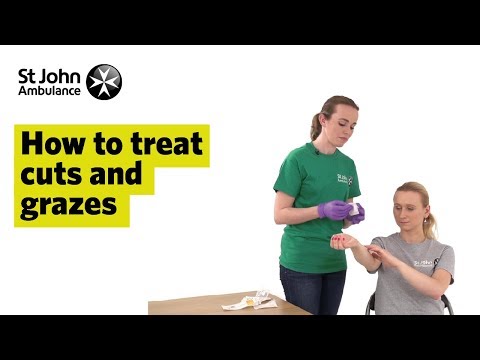
For cuts or scrapes, gently rinse the area under running water for about 5 to 10 minutes. This helps clean out dirt and bacteria. Avoid using hydrogen peroxide or alcohol, as they can irritate the wound.
Applying Pressure
If there’s bleeding, apply gentle pressure using a clean cloth or bandage. Most of the time this will stop the bleeding within a few minutes. If it doesn’t stop after 10 minutes, you might need medical attention.
Dressing the Injury
Covering the injury is important too! After cleaning and stopping any bleeding, use a sterile bandage or gauze to protect it from dirt and bacteria. Change this dressing daily—or more often if it gets wet or dirty.
Watch for Infections
Keep an eye on your injury for signs of infection: redness, swelling or discharge are bad news. If you see any of these symptoms developing over time—it’s smart to reach out for professional care.
Pain Management
Pain is pretty normal with injuries like these. Over-the-counter pain relievers like ibuprofen can help manage discomfort but remember—follow the instructions on dosing carefully!
Motions and Rest
Your hands do a lot for you! So it’s better not to stress them immediately after an injury occurs. Resting your hand will give it time to heal without further strain.
When Should You Seek Help?
If you notice severe pain that doesn’t go away, swelling increases significantly, or if you can’t move your fingers correctly—consider talking with someone who can provide professional help.
A Final Note
Taking care of hand injuries isn’t rocket science but requires some attention! Following these steps protects against complications rather than just letting things heal on their own. Remember that listening to your body is crucial during recovery!
Understanding the Risks and Care for Hand Injuries
Understanding Hand Injuries: Risks and Care
Hand injuries happen a lot. They can result from cuts, fractures, or burns. Often, they’re caused by everyday activities like cooking or using tools. Knowing how to care for them is really important.
Common Types of Hand Injuries
- Cuts: These may seem simple but can be serious depending on the depth.
- Fractures: Broken bones in the hand can occur from falls or accidents.
- Burns: Contact with hot surfaces or chemicals can injure your skin.
You know, sometimes people underestimate how much we rely on our hands. When injured, it makes daily tasks tough.
The Importance of First Aid
Soon after an injury, first aid is critical. It helps prevent complications and promotes healing. The first moments after an injury are crucial for care.
If you’ve got a cut, for instance, washing it gently with soap and water can help remove dirt. Then apply a clean bandage to protect it.
Recognizing Symptoms That Need Attention
- Severe Pain: If pain doesn’t subside with rest, that’s a red flag.
- Persistent Swelling: Swelling that lasts could signal something more serious.
- Numbness or Tingling: This might indicate nerve damage requiring medical attention.
If you ever experience these symptoms following a hand injury, consider seeking help from a healthcare professional.
Mistakes to Avoid in First Aid
- Avoid alcohol on wounds: It feels like common sense to disinfect with alcohol but it can delay healing and irritate the tissue!
- No direct heat on burns: Applying ice directly can cause more harm than good; lukewarm water is safer for burns instead!
Caring for Specific Types of Injuries
If you suspect a fracture in your hand, try not to move it too much. Immobilizing the area helps prevent any further damage until medical advice is given.
Bites are tricky too! Rinse them under running water immediately but don’t use any ointments; just cover it lightly till you seek medical advice if needed.
The Role of Rest and Recovery
Your hands need rest after an injury – this lets your body heal properly. Ice packs can reduce swelling but make sure they’re wrapped up; direct contact might hurt your skin!
A balanced diet plays its part too! Foods rich in vitamins C and D support skin repair and bone health during recovery periods—so munch away on those fruits and greens!
The Bottom Line: Stay Informed and Prepared
Pretending injuries don’t matter won’t make them go away! Knowing basic first aid steps ensures you’re prepared if something happens. And trust me; awareness makes all the difference in healing!
Essential First Aid for Treating Hand Injuries Safely
Treating hand injuries is a common situation that many might encounter in everyday life. Honestly, it can be a bit overwhelming to figure out what to do, especially when someone is in pain. The essential first aid steps can make a huge difference and it’s vital to know how to respond calmly.
You know, the first thing to do is assess the injury. Does it look serious? Is there bleeding? Take a moment to observe before diving into action. If there’s severe bleeding, applying pressure with a clean cloth is key. It stops the blood flow and allows time for help to arrive. Remember, if bleeding doesn’t stop after several minutes of pressure, it’s time to seek professional help.
For minor cuts or scrapes, clean the wound gently with soap and water. This helps prevent infection—a nasty complication that can make things worse. After that, covering it with a sterile bandage keeps dirt out and promotes healing. Simple as that!
When dealing with burns on your hands—whether from heat or chemicals—the cool water method works wonders. Running your hand under cool (not cold) water for about 10-20 minutes soothes the area and decreases damage.
And let’s not forget about sprains or strains! A classic technique is RICE: Rest, Ice, Compression, Elevation. You rest the injured hand; apply ice wrapped in cloth to reduce swelling; use a bandage for compression; finally keep it elevated on pillows if possible.
The truth is being prepared can empower anyone faced with these situations. While knowing these basics won’t replace professional medical advice or treatment, they can effectively provide initial care that may ease discomfort until further help arrives.
By familiarizing ourselves with these techniques, we not only protect ourselves but also those around us—keeping everyone safer in daily life.