The information provided in this article is intended solely for general informational and educational purposes. It does not constitute medical advice, diagnosis or professional treatment, and should not be considered a substitute for consultation with a qualified doctor or other licensed healthcare professional. Any health-related decisions should be made in consultation with accredited medical professionals.
While efforts have been made to ensure the information is accurate and up to date, no guarantees are given—either express or implied—regarding its accuracy, completeness, currency or suitability. Use of this information is at your own discretion.
It is strongly recommended to consult official sources such as the NHS (National Health Service) or other recognised medical institutions before acting on any information contained on this website or article. Under no circumstances should professional medical advice be ignored or delayed due to content read here.
This content is of a general and informational nature only. It is not intended to replace individualised guidance from a healthcare professional or to establish any doctor-patient relationship. The publication of this information does not imply any professional responsibility, guarantee or obligation on the part of the author or this site.
Essential First Aid for Snakebite Treatment You Should Know
Have you ever found yourself wandering in nature, wondering what to do if a snake suddenly bites you? It can be a scary thought. The truth is, snakebites are more common than many people realize. In fact, thousands of cases occur worldwide each year.
It’s essential to know some basic first aid steps in case you or someone else gets bitten. This article will walk you through those crucial steps and give you the confidence to act quickly and calmly when it matters most. You’ll learn about what signs to look for, immediate actions to take, and when it’s time to seek professional help.
We all hope we never have to deal with a snakebite situation. But being prepared can make all the difference. Remember, this information is meant as helpful guidance and does not replace professional medical advice. Always consult a healthcare provider for any health decisions or concerns following an incident like a snake bite.
Let’s dive in and explore how you can be ready if the unexpected happens!
Essential Steps to Take When Facing a Snakebite Emergency
Understanding Snakebite Emergencies
Hey, snakebites can be really scary. If you or someone else gets bitten, knowing what to do is super important. Most bites happen when people accidentally step on or provoke a snake. It’s like a surprise, and not a good one.
Stay Calm and Assess the Situation
First things first: stay calm. It’s easier said than done, but panicking won’t help anybody. Look at the bite—determine if it’s from a venomous snake or not. However, don’t rely on your gut feeling; it can be hard to tell just by looking.
Keep the Affected Area Still
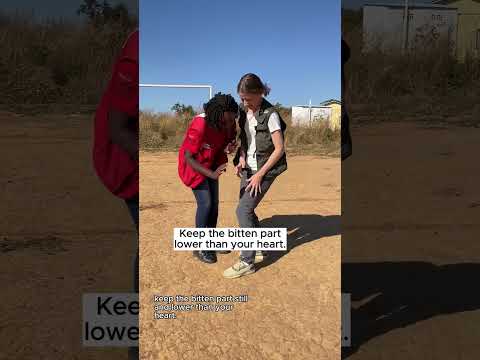
You should try to keep the bitten limb still and below heart level. This helps slow down the spread of venom in your body. Think about pouring syrup on pancakes; it flows slower when it’s flat compared to when it’s up-right.
Call for Help Immediately
Dial emergency services right away! You can’t treat a snakebite alone—professional medical help is essential as they have access to antivenom if needed.
- Avoid using ice or tourniquets; they can cause more harm than good.
- Don’t cut the wound or suck out venom; this isn’t effective and can lead to more complications.
- Removing jewelry near the bite area can also be smart since swelling may occur.
Monitor Symptoms
If possible, keep an eye on your symptoms while waiting for help. Look out for signs like swelling, pain, difficulty breathing, or rapid heartbeat. These might indicate a serious reaction and should be shared with medical professionals as soon as possible.
Mental Preparedness
You know what’s wild? Sometimes people become so worked up about snakes that they forget basic first aid skills. Understanding what steps to take ahead of time makes things way less stressful in an actual emergency.
Treatment in Medical Settings
Once you’re at a medical facility, doctors will assess how serious the situation is. They might administer antivenom based on your specific case. It’s kind of like giving someone medicine specifically made for their ailment—very targeted!
- Your healthcare team will also monitor vital signs closely during treatment.
- Pain management might be necessary too as bites can hurt quite a bit!
- The overall recovery could involve various steps depending on how severe the bite was.
The Takeaway
Keeps it simple: avoid risky interactions with snakes when hiking or exploring nature because sometimes prevention beats dealing with emergencies head-on! But if you do find yourself facing a snakebite event? You now have some essential steps in mind that could make all the difference.
Essential Insights for Effective Response and Recovery
Understanding Snakebites
Getting bitten by a snake can be terrifying. It’s important to know that not all snakes are dangerous, but it can be hard to tell which ones are. In many cases, the real danger comes from venomous snakes. Their bites can lead to serious health issues.
What To Do Immediately?
If someone gets bitten, the first thing is to stay calm. Panic can make things worse. You should call for help right away. If you’re in a remote area, try to get the person to a hospital as soon as you can.
Keep The Affected Area Still
It’s crucial to keep the affected limb as still as possible. Moving it around might spread the venom through the body quicker. Think of it like trying not to spill water from a full cup; it’s all about stability.
Avoid Common Myths
- No sucking out venom: Forget about trying to suck out venom with your mouth. This can introduce bacteria and cause more harm.
- No ice or tourniquets: Applying ice or tying off an arm or leg tightly is also harmful and usually not recommended.
Signs Of A Snakebite
Pay attention to symptoms like swelling, pain, or discoloration at the bite site. Nausea, difficulty breathing and dizziness might also occur in serious cases—these require immediate medical attention.
The Role of Antivenom
If it’s determined that the snake was venomous, doctors may provide antivenom during treatment. Antivenom works against the specific type of venom injected into the body and helps counteract its effects.
Preventing Bites: Safety First!
A good way to avoid snakebites is being aware of your surroundings while hiking or working outdoors. Wearing sturdy boots and long pants can offer some protection too—just like armor against potential dangers!
Final Thoughts on Recovery
The recovery after a snakebite varies widely depending on several factors: how quickly one receives treatment, one’s overall health condition prior to biting and even how much venom was injected.
You know, staying informed and prepared is key when dealing with emergencies like these! It’s never too late to learn these essential insights for response and recovery if faced with a snakebite situation.
Discover the Key to Effective Snakebite Recovery
Understanding Snakebite Recovery
Snakebites can be serious, and understanding how to respond is crucial. Effectively managing a snakebite involves knowing what to do right after it happens. The first minutes can make all the difference.
First Steps After a Snakebite
If someone gets bitten, first thing is to stay calm. Panic can speed up the heart rate, which might spread venom faster. Immobilizing the affected limb is important. Try to keep it lower than the heart.
Next, remove any tight clothing or jewelry near the bite area. Swelling can happen quickly, so giving room helps prevent complications.
Avoid Common Myths
There are some myths about snakebite treatment that need clearing up. For example, cutting into the wound or sucking out venom isn’t effective and could cause more harm than good.
You should also avoid applying ice; it can actually worsen tissue damage. Instead of that, just keep the person as still as possible until help arrives.
When to Seek Help
Calling for medical assistance right away is key—don’t wait and see if symptoms develop. Symptoms of envenomation (that’s when venom affects your body) can include swelling, pain at the bite site, or even difficulty breathing.
The Role of Antivenom
If the snake is venomous and treated promptly with antivenom, recovery chances increase significantly. Antivenom is a medication specifically designed to counteract venom’s effects.
Preventing Snakebites in the First Place
Prevention plays a huge role too! If you’re outdoors in areas where snakes might be present, wearing sturdy boots and being cautious while walking reduces risks greatly.
- Avoid tall grass and dense underbrush.
- Be careful when stepping over logs or rocks; snakes like those spots!
- If camping, keep your area clean—even crumbs attract rodents that snakes hunt!
Your Own Reaction Matters
Your response after a snakebite matters immensely—it’s about keeping yourself calm while managing blood flow and seeking quick help from professionals who have experience dealing with these situations.
Coping With Aftermath
The recovery process doesn’t just end with treatment; there might be psychological effects too. Some people might feel anxious or scared going back out in nature again after such an event.
Talking about feelings with friends or family—or even professionals—can help process any trauma related to that incident. Support goes a long way in recovery!
Essential First Aid for Snakebite Treatment You Should Know
Hey, it’s important to understand snakebites because they can happen when you least expect it. Mostly, snakes bite as a defense mechanism, not out of aggression. The first step in treatment is to stay calm. Panic can elevate your heart rate, spreading venom faster.
If someone gets bitten, the first thing to do is to call emergency services. Time matters when it comes to treating snake bites. While waiting for help, keep the affected area still and below heart level to limit venom spread.
Applying a tourniquet is often a bad idea. It might do more harm than good by cutting off blood flow completely. Instead, remove tight clothing or jewelry near the bite area since swelling can occur.
What Not To Do
- Don’t suck out the venom; it’s ineffective and can introduce bacteria into the wound.
- Avoid using ice on the bite; this might worsen tissue damage.
- Never drink alcohol or caffeine; both can speed up your heart rate.
If you happen to know how to identify snakes in your region, that helps too. Keeping a safe distance and avoiding interaction can prevent most bites. Remember that not all snakes are venomous—only some pose serious threats!
Ultimately, education and awareness about snakebite treatment can save lives! It’s crucial for outdoor enthusiasts, hikers, or anyone spending time in nature to be informed about these steps.