The information provided in this article is intended solely for general informational and educational purposes. It does not constitute medical advice, diagnosis or professional treatment, and should not be considered a substitute for consultation with a qualified doctor or other licensed healthcare professional. Any health-related decisions should be made in consultation with accredited medical professionals.
While efforts have been made to ensure the information is accurate and up to date, no guarantees are given—either express or implied—regarding its accuracy, completeness, currency or suitability. Use of this information is at your own discretion.
It is strongly recommended to consult official sources such as the NHS (National Health Service) or other recognised medical institutions before acting on any information contained on this website or article. Under no circumstances should professional medical advice be ignored or delayed due to content read here.
This content is of a general and informational nature only. It is not intended to replace individualised guidance from a healthcare professional or to establish any doctor-patient relationship. The publication of this information does not imply any professional responsibility, guarantee or obligation on the part of the author or this site.
Ever tried to open a jar of pickles when your wrist is sore? Frustrating, right? If you’ve ever been in physical therapy, you might have noticed those colorful stretchy bands lying around. They’re called TheraBands. But what exactly do they do?
In this article, we’re diving into how TheraBands can support your recovery journey after injuries or surgeries. These simple, elastic tools can help build strength and improve flexibility. They’re not just for bodybuilders; they’re great for everyone!
You’ll learn how they work on different muscle groups and why they’re used in rehab programs. Plus, we’ll explore some practical exercises you can try at home or under the guidance of a professional.
This isn’t just about working out—it’s about feeling better and getting back to doing what you love. Just remember, though: this content doesn’t replace medical advice. Always chat with a healthcare professional before making any health decisions.
Discover the Power of Resistance for Your Recovery Journey
Understanding Resistance in Recovery
Resistance training can be a game-changer in your recovery journey. It’s not just about lifting weights; it’s about using resistance to help your body heal and get stronger. Think of it like pushing against a door; the more you push, the harder your muscles work.
What Are TheraBands?
TheraBands are elastic bands used in physical therapy. They come in different colors and thicknesses, which represent varying levels of resistance. So, you can choose one that’s right for your strength level. They’re portable too! You can use them at home or take them anywhere.
How Do They Help?
Using TheraBands helps build muscle strength without putting too much stress on joints. For example, if you’re recovering from surgery, these bands offer a gentle way to strengthen muscles without jumping back into heavy lifting.
The Science Behind Resistance
When you stretch a TheraBand, you’re creating tension. This tension is what makes your muscles work harder than they would during normal activities. Over time, this helps increase muscle endurance and flexibility.
A Real-Life Example
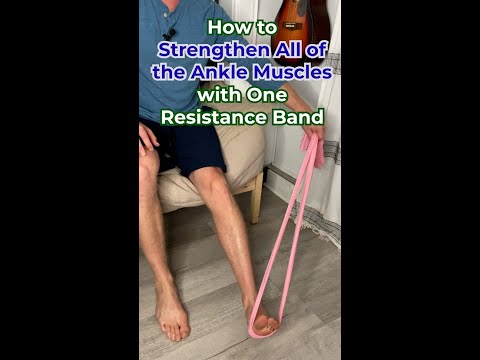
Imagine someone who’s sprained their ankle. After resting, they might start with simple exercises using a TheraBand to strengthen their ankle without overdoing it. It’s like teaching the body to remember how to balance again!
The Progression is Key
You know how when you first start exercising, everything feels tough? As you gain strength, you can switch to thicker bands for more challenge. The gradual increase is crucial for safe recovery—it’s called progressive overload and it’s super important.
Minding Your Form
An important part of using resistance bands is making sure you’re doing the exercises correctly. Bad form could lead to injuries instead of healing! Focus on slow and controlled movements rather than rushing through reps.
Listening To Your Body
This can’t be stressed enough: always listen to how your body feels during exercises with bands or any type of workout for that matter! If something doesn’t feel right? Stop and reassess what you’re doing or consult a fitness professional.
Dismissing Myths About Resistance Bands
- Myth: Only athletes use resistance bands.
Reality: Anyone can benefit—regardless of fitness level! - Myth:No pain means no gain.
Reality:Pushing through pain can lead to setbacks! - Myth:You need fancy equipment.
Reality:A simple TheraBand offers plenty of options!
This journey toward recovery is individual and takes time; patience really becomes essential here! Remember that everyone heals at their own pace—it’s about progress, not perfection.
Unleash Your Strength with Simple Resistance Techniques
If you’ve ever seen those colorful rubber bands at the gym or in a therapy clinic, you’ve probably encountered TheraBands. These stretchy bands are designed to help people get stronger and recover from injuries in a gentle way.
What are TheraBands?
TheraBands are basically elastic resistance bands. They come in different colors, each representing a certain level of resistance. The idea is that they provide varying degrees of challenge, allowing you to start where you’re comfortable and progress as you gain strength.
Why Use Resistance Bands?
The main thing about resistance training, like with these bands, is it helps build muscle. Think of it like lifting weights but without the heavy equipment. You can do many exercises just about anywhere, making them super handy!
How Do They Help in Physical Therapy?
When recovering from an injury, your muscles can feel weak or stiff. Resistance bands offer low-impact options to help regain strength without putting too much strain on your body. It’s kinda like gradually opening a door instead of kicking it down!
Simple Exercises You Can Try
- Bicep Curls: Stand on the band and pull the ends up towards your shoulders.
- Squats: Place the band under your feet while holding onto the ends; squat down gently while keeping tension on the band.
- Lateral Raises: Stand on the band and lift your arms out to the side; this helps strengthen shoulder muscles.
The Importance of Proper Form
You know how playing sports with bad form can lead to injuries? It’s similar here! Maintaining proper form while using resistance bands ensures you’re targeting the right muscles and reducing risk of injury.
The Flexibility Factor
A big perk of TheraBands is their flexibility—they’re great for stretching too! Stretching helps improve range of motion which is super important when recovering from an injury or just staying active.
Cautions to Consider
If you’re new to using these bands or have existing health issues, it’s best to consult someone who knows about physical therapy or fitness. Understanding how much resistance you should use can make all the difference!
A Takeaway Message
Using TheraBands can be a simple yet effective way to support recovery and enhance strength over time. Just remember that consistency is crucial—like any workout routine! As always, listen to your body and go at your own pace.
Understanding How TheraBands Aid Physical Therapy Recovery
TheraBands, those colorful, stretchy resistance bands we often see in physical therapy settings, play a significant role in recovery. They are simple tools, but they offer versatile benefits that are hard to overlook.
The thing is, TheraBands provide varying levels of resistance. This adaptability allows therapists to tailor exercises based on individual patient needs. Whether you’re recovering from surgery or dealing with chronic pain, there’s likely a TheraBand level that suits you.
One major advantage of using these bands is their ability to improve muscle strength and flexibility. For instance, if someone has a knee injury, targeted exercises with a TheraBand can help rebuild strength without putting undue stress on the joint.
Additionally, TheraBands enhance proprioception—our body’s ability to sense where we are in space. This is crucial for balance and coordination recovery. Think of it like learning to ride a bike again; you need some practice and support until you gain confidence.
Another important aspect is that they allow for progressive overload. In simple terms, this means you can gradually increase the resistance as you get stronger—like adding more weights at the gym but without needing big equipment.
Plus, they’re portable! You can easily pack them in your bag or even use them at home while watching TV. It’s often said that consistency is key in rehab; having accessible tools like TheraBands encourages just that.
However, it’s essential to use them correctly under guidance from a healthcare professional. Using improper technique can lead to strains or injuries rather than facilitate recovery.
You know how sometimes traditional rehab feels repetitive? Incorporating TheraBands adds variety which helps keep patients engaged and motivated throughout their recovery journey.
Ultimately, understanding how these bands work can empower patients in their healing process. They’re not just rubber straps; they symbolize strength building and resilience during rehabilitation efforts.