The information provided in this article is intended solely for general informational and educational purposes. It does not constitute medical advice, diagnosis or professional treatment, and should not be considered a substitute for consultation with a qualified doctor or other licensed healthcare professional. Any health-related decisions should be made in consultation with accredited medical professionals.
While efforts have been made to ensure the information is accurate and up to date, no guarantees are given—either express or implied—regarding its accuracy, completeness, currency or suitability. Use of this information is at your own discretion.
It is strongly recommended to consult official sources such as the NHS (National Health Service) or other recognised medical institutions before acting on any information contained on this website or article. Under no circumstances should professional medical advice be ignored or delayed due to content read here.
This content is of a general and informational nature only. It is not intended to replace individualised guidance from a healthcare professional or to establish any doctor-patient relationship. The publication of this information does not imply any professional responsibility, guarantee or obligation on the part of the author or this site.
Have you ever stepped on something sharp while enjoying a day at the beach? Yikes, right? It’s not just seashells that can cause pain; stingray stings are a real concern for many beachgoers.
These creatures may look harmless, but their stingers can deliver an intense and sometimes dangerous sting. Understanding how to identify stingray sting symptoms is crucial, especially if you’re out in the water having a good time.
This article dives into what you need to know about recognizing these symptoms and helps you learn essential first aid steps. Knowing how to react can mean the difference between a fun day at the beach and a trip to the emergency room.
We’re all about keeping you informed while respecting your health choices. Remember, this content doesn’t replace medical advice. It’s always smart to consult with a healthcare professional when it comes to your health decisions. Let’s explore this topic together and help you feel more confident next time you’re by the shore!
Understanding the Lasting Impact of Stingray Injuries on Your Health
Stingray injuries can really make you think twice about wading into ocean waters. It’s not just a matter of getting stung; there are several things to consider, both immediately and for the longer haul. So, what happens when a stingray’s barb breaks through the skin?
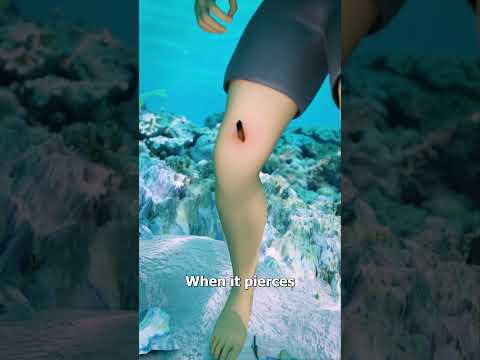
When you get stung by a stingray, the immediate reaction usually involves pain and swelling around the injury site. The barb releases venom, which can cause intense discomfort. Sometimes it feels like a burning or sharp pain—imagine stepping on a hot nail! But the initial sting is just part of the story.
Symptoms to Look Out For
After being stung, it’s important to watch for certain signs:
- Severe pain that might spread to other areas
- Swelling and redness at the wound site
- Nausea or vomiting
- Mild fever in some cases
- Difficulty moving your affected limb
If you experience these symptoms, they can linger longer than you’d expect. Pain management is crucial because it might not just fade away after an hour or two. Think about how even minor cuts can hurt long after they happen; now imagine that pain with an added dose of venom.
First Aid Essentials
The first step after a sting is to soak your injury in hot water as soon as possible. This helps reduce pain since heat breaks down venom proteins. It’s like cooking spaghetti—you want to soften what’s tough! Keep it submerged if you can for around 30-90 minutes.
You may also need to clean the wound immediately—gentle soap and water should do it. Avoid any harsh scrubs though; remember, something like rubbing alcohol can cause more irritation.
Long-term Effects on Health
If left untreated, there can be lasting effects from stingray injuries. Some people experience chronic pain or sensitivity at the site of injury even months later. Also, infections are another risk factor; bacteria from seawater could lead to complications.
You should definitely keep an eye out for symptoms of infection such as increased redness or pus emitting from your wound—the last thing you’d want is for a simple sting to turn into something serious.
Mental Impact Is Real Too
The psychological effect shouldn’t be underestimated either. A scary event like this may cause anxiety when swimming or engaging in activities near water afterward. It’s totally normal! Like how someone who slips on ice might walk more cautiously afterward; similar feelings often arise with traumatic experiences involving animals.
Conclusion: Staying Informed Matters
The takeaway? Being informed about what happens after a stingray injury helps prepare you for potential consequences that go beyond immediate treatment needs. Awareness means knowing how best treat yourself while also staying vigilant about ongoing symptoms.
If you’re ever unsure about what’s happening post-sting—or if anything feels off—don’t hesitate reaching out for medical advice! Just remember: understanding leads towards better health choices!
A Simple Guide to Easing Pain and Promoting Healing
Getting stung by a stingray can be quite painful. The stingray has a sharp barb that can pierce the skin, causing immediate discomfort. Sometimes, it’s just a minor injury, but there are signs to watch for in case it’s more serious.
Recognizing Stingray Sting Symptoms
Right after being stung, you might feel a sharp pain at the site of the injury. It can be intense and may even spread to other areas.
Look out for swelling or redness around the wound. These symptoms may happen shortly after contact. In some cases, you could also notice bruising or even bleeding.
If you start feeling sick—like having nausea or dizziness—it could mean an infection or an allergic reaction. These situations require immediate attention.
Essential First Aid Steps
If someone gets stung by a stingray, the first thing to do is stay calm. It helps everyone involved deal with the situation better. Rinse the sting area with saltwater if possible.
The next step is to soak the wound in hot water for 30 to 90 minutes; heat helps relieve pain and neutralize toxins. Make sure it’s not so hot that it causes burns!
- If there’s any visible barb left in the skin, don’t try to remove it yourself; this should be done by a medical professional.
- You can apply pressure on bleeding wounds using clean cloths or bandages.
- Pain relief medications like ibuprofen or acetaminophen might help ease discomfort if safe for you to use.
When to Seek Help
If symptoms continue worsening—like increasing pain, swelling, or if a fever develops—visit a healthcare provider quickly. Infections can happen and untreated wounds can lead to complications over time.
Mental Note
The key is awareness. Understanding how to react properly not only eases pain but also promotes healing effectively. Just remember: staying informed helps you handle unexpected events like these much better!
Effective Remedies for Relief and Recovery After a Stingray Encounter
Understanding Stingray Stings
So, stingrays are pretty fascinating creatures, but encounters can lead to painful stings. When a stingray feels threatened, it might use its tail, which has a sharp spine, to defend itself. If you step on one while wading in shallow waters, you could get stung.
Stingray sting symptoms usually include immediate pain, swelling, and sometimes even muscle cramps. You might notice bleeding or bruising around the bite area too. It can be alarming—especially if you weren’t expecting it.
First Aid Steps to Take
If you or someone else gets stung by a stingray, here’s what you should keep in mind:
- Get out of the water: First things first! Avoid getting back in the water to prevent further injury.
- Control the pain: Rinse the affected area with hot water for about 30 to 90 minutes. Yes, that sounds long! But heat can help soothe the pain and reduce swelling.
- Clean the wound: After rinsing with hot water, gently clean it with soap and fresh water to prevent infection.
- Watch for serious symptoms: If there’s severe bleeding or signs of infection like increased redness or warmth around the area, seek professional help right away.
- Tetanus shot: If it’s been more than five years since your last tetanus vaccination and you’ve got a deep wound, it’s important to talk with healthcare about getting a booster.
Pain Management Techniques
Pain doesn’t just stop once you’re out of the water. Over-the-counter pain relievers like ibuprofen or acetaminophen can ease discomfort. Always follow dosage instructions on the package—like any medicine!
Avoid Certain “Remedies”
You might hear people say that applying vinegar or urine helps with stingray stings. Look, that’s not really backed by evidence for this kind of injury! Stick with warm water and proper cleaning as your main go-to measures.
Your Body’s Healing Process
The healing process will vary from person to person. Generally speaking though, most stingray stings improve within a few days if treated properly. Keeping an eye on how you’re feeling is always wise; don’t hesitate to reach out for medical help if something seems off later on.
Preventive Measures for Future Encounters
If you’re heading into areas where stingrays are common—like shallow coastal waters—wear protective footwear like aqua shoes. It might look silly but trust me; it’s better than dealing with a nasty sting!
If You Have Allergies
If you’ve had previous allergic reactions to marine animals’ toxins (like jellyfish), consider discussing this with someone who knows about travel health before heading out.
The Bottom Line
An encounter with a stingray can certainly be painful and scary—but knowing how to respond can make all the difference! Remember that seeking appropriate care is crucial if you’re unsure about any symptoms after an injury.
Recognizing Stingray Sting Symptoms and Essential First Aid
Stingray stings can be quite alarming, causing pain and discomfort. Understanding the symptoms is important if you or someone you’re with gets stung. Usually, a stingray’s barb will leave a puncture wound which can bleed. Look for swelling, redness, and intense pain around the site of injury.
Some people might also experience symptoms like nausea or difficulty breathing. These could indicate an allergic reaction, which needs immediate medical attention. It’s crucial to recognize that each person’s response to a sting may vary.
First Aid Steps
If someone gets stung by a stingray, the first thing to do is stay calm. This helps both you and the person affected. Rinse the wound with clean water to remove any debris. It’s vital not to use fresh water right away; warm saltwater can be more soothing.
The next step involves immersing the affected area in hot water for 30-90 minutes if possible. This helps alleviate pain by breaking down toxins injected by the stingray’s venom—think of it as heating up your soup to make it taste better!
If there’s bleeding, apply pressure with a clean cloth until it stops. It’s important to seek professional medical help even after first aid; signs of infection or complications might arise later on.
A Final Note
alertness is key after any injury like this. Knowing what symptoms to look out for and how to respond properly can not only ease discomfort but could potentially save lives.