The information provided in this article is intended solely for general informational and educational purposes. It does not constitute medical advice, diagnosis or professional treatment, and should not be considered a substitute for consultation with a qualified doctor or other licensed healthcare professional. Any health-related decisions should be made in consultation with accredited medical professionals.
While efforts have been made to ensure the information is accurate and up to date, no guarantees are given—either express or implied—regarding its accuracy, completeness, currency or suitability. Use of this information is at your own discretion.
It is strongly recommended to consult official sources such as the NHS (National Health Service) or other recognised medical institutions before acting on any information contained on this website or article. Under no circumstances should professional medical advice be ignored or delayed due to content read here.
This content is of a general and informational nature only. It is not intended to replace individualised guidance from a healthcare professional or to establish any doctor-patient relationship. The publication of this information does not imply any professional responsibility, guarantee or obligation on the part of the author or this site.
Understanding Chemical Pregnancy: Symptoms and Insights
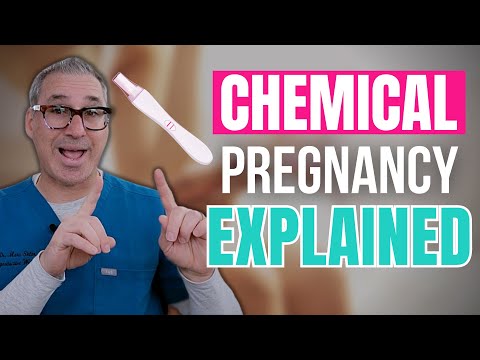
Have you ever heard of a chemical pregnancy? If not, you’re not alone. Many don’t realize that it’s actually more common than we think. It’s like getting a little glimpse of what could be, only for it to slip away before you even get to celebrate.
A chemical pregnancy occurs when a fertilized egg implants in the uterus but doesn’t develop properly. You might have some early pregnancy symptoms, such as a missed period or positive test, but they fade away quickly. It’s heart-wrenching and can leave you with questions and feelings of loss.
This article will walk you through the symptoms of a chemical pregnancy, what it means for your body, and why understanding this experience is important. We’ll also touch on the emotional aspects because let’s face it—going through this can be tough.
It’s crucial to remember that while this article aims to provide insights, it doesn’t replace professional medical advice. Always consult a healthcare provider for guidance tailored to your situation.
Understanding the Emotional Journey of a Chemical Pregnancy
A chemical pregnancy can feel like a rollercoaster. You might have seen those two pink lines on a pregnancy test, only for your period to show up shortly after. It’s confusing and can be quite heart-wrenching.
What is a Chemical Pregnancy?
A chemical pregnancy is an early miscarriage, often occurring within the first few weeks after conception. This means that while fertilization happens, the embryo doesn’t implant properly in the uterus. You’re left with elevated hormone levels which can give false hope before reality sets in.
The Emotional Impact
When you think you’re pregnant and then find out you’re not, it can cause a range of feelings—sadness, anger, confusion. It’s absolutely normal to grieve what could have been. Think about it like planning for a vacation; you pack your bags and get excited. Then imagine your flight gets canceled last minute.
Sometimes people downplay this emotional response. They may say it’s “just” a chemical pregnancy. But honestly, it still feels real to you, and that’s valid.
Symptoms to Recognize
Common signs of a chemical pregnancy include light bleeding or spotting and mild cramping—similar to your regular period symptoms. These physical experiences often intertwine with emotional pain, making it important to recognize both aspects.
Coping Strategies
You might find talking about your experience helps—for instance, sharing with friends or joining support groups online where others understand what you’re going through. Writing in a journal could also be cathartic; it gives you space to express those feelings without judgment.
The Path Forward
If you’re feeling ready to try again for pregnancy, that’s completely natural too! Just remember everyone’s journey is different; comparisons won’t help much here. Some may conceive right away while others take time—like planting seeds; each seed grows at its own pace!
The Bigger Picture
Chemical pregnancies happen more often than people realize—many go undetected since they happen before most know they’re pregnant. It’s crucial to understand that experiencing one doesn’t define future chances of successful pregnancies.
- If concerns linger about recurring issues or health impacts, consider discussing them with someone who’s knowledgeable in this area.
- Nurturing self-care during these times like meditation or spending time in nature can create positive outlets for stress relief and healing.
- Your emotions are just as important as any physical aspect; acknowledging this part of your experience will aid recovery.
Evidently it’s all part of life’s complex tapestry—a blend of joy and heartbreak merging into growth opportunities. You’re not alone on this journey; many share similar paths but carve their own unique ways through them.
So honor what you’ve felt—and allow yourself space to heal!
Unraveling the Mystery Behind Early Pregnancy Loss
Early pregnancy loss can be really difficult to understand, especially if it happens to you or someone close. It’s a topic that brings up a lot of questions and emotions. One specific type of early pregnancy loss is called a chemical pregnancy. Let’s break down what that means, you know?
What is a Chemical Pregnancy?
A chemical pregnancy occurs when a fertilized egg implants in the uterus but stops developing shortly after. It’s called “chemical” because it often only registers positive on a home pregnancy test for a brief time, before your period arrives. This usually happens within the first five weeks.
Symptoms to Look Out For
The tricky part is that many women experience little to no symptoms before they find out about the loss. Sometimes they might notice light bleeding or cramping, similar to their usual menstrual cycle. It can feel confusing and frustrating when you’re expecting different signs.
Why Does it Happen?
A number of factors can contribute to a chemical pregnancy, including issues with the embryo’s chromosomes—these are like tiny instruction manuals for making you! If there’s an abnormality, it could prevent proper development. Other factors like hormonal imbalances or issues with the uterine lining may also play a role.
The Emotional Rollercoaster
Experiencing a chemical pregnancy can leave individuals feeling sad and confused. It’s important to know you’re not alone in this experience; many women go through it without even realizing at first that they were pregnant.
Moving Forward: What Should You Do?
If you suspect you’ve had a chemical pregnancy, talking about your feelings with someone supportive can help immensely. Some people find comfort in discussing their experience with friends or support groups who understand similar struggles.
If this becomes a repeating issue, reaching out to healthcare professionals is advisable—just as you would when noticing something unusual in your health routine.
Common Misconceptions
- You only have one chance: Many think that once they’ve had one loss, future pregnancies will definitely not work out too.
- Pregnancy tests are foolproof: It’s easy to assume that if there’s any positive result on home tests then everything is fine—but that’s not always true.
- You caused it: Many women blame themselves for their loss; reality often has little do with personal actions.
This journey can be emotionally taxing; taking care of mental health during this time matters as much as physical health does. Understanding these facts about early losses, especially chemical pregnancies helps demystify what can feel like an overwhelming situation.
Understanding the Timing Behind Early Pregnancy Loss
Understanding Early Pregnancy Loss
Early pregnancy loss is more common than many might think. It often happens before a woman even knows she’s pregnant. One specific type of early loss is known as a chemical pregnancy.
What is a Chemical Pregnancy?
A chemical pregnancy occurs when a fertilized egg implants in the uterus but stops developing shortly after. You may not realize this has happened until you take a home pregnancy test that shows positive for a short time.
The term “chemical” refers to the fact that the pregnancy is detected only by hormone levels, like HCG (human chorionic gonadotropin), rather than visible signs like an ultrasound.
Symptoms of Chemical Pregnancy
Some women may experience very light bleeding or cramping, similar to a menstrual cycle. Others might not have any symptoms at all until they see their test results change.
- Positive home pregnancy test
- Spotting or light bleeding
- Mild cramps
Timing and Causes
The timing behind early pregnancy loss can be tricky to pin down. Often, it happens within the first few weeks after conception. Many factors contribute to these losses, including chromosomal abnormalities—basically genetic issues with the embryo that prevent it from developing normally.
You even might think about it like planting seeds: sometimes they just don’t have what they need to grow strong. Stress, age, or underlying health issues can also play a role in these early losses.
Myths Around Early Pregnancy Loss
A common myth is that stress or physical activity causes chemical pregnancies. While stress isn’t ideal for anyone trying to conceive, there’s no solid evidence linking it directly to early loss.
Coping with Loss
If you experience an early loss like this, know you’re not alone. Many women go through similar situations. Talking about your feelings with loved ones or support groups can be beneficial because it helps normalize what you’re feeling.
It’s really important to allow yourself time to heal emotionally and physically after such an experience.
Your Next Steps
If you suspect an early pregnancy has ended, consider reaching out for support and guidance from healthcare professionals who can help clarify your situation further—remembering they’re there for your wellbeing.
Understanding Chemical Pregnancy: Symptoms and Insights
A chemical pregnancy is often an unexpected event. It happens when a fertilized egg implants in the uterus but doesn’t develop properly, usually leading to an early miscarriage.
The symptoms can be quite subtle, which makes it a bit tricky to identify. Many women may experience a late period or light spotting. Sometimes, they might notice early pregnancy symptoms like tender breasts or slight cramping. It’s easy to mistake these for normal menstrual symptoms.
The key takeaway here is that while it can be disheartening, chemical pregnancies are relatively common. Studies suggest they occur in many pregnancies but often go unnoticed because they happen so early.
It’s also important to recognize that experiencing a chemical pregnancy doesn’t mean there’s something wrong with future attempts at conception. Most women go on to have healthy pregnancies afterward.
Understanding this concept helps in normalizing the emotional response many have after such an experience. Acknowledging feelings of sadness or disappointment is completely valid; you’re not alone in this journey.
If someone finds themselves dealing with such a loss, reaching out for support from friends, family, or professional counselors can make a difference. The emotional aspect is significant and shouldn’t be overlooked.