The information provided in this article is intended solely for general informational and educational purposes. It does not constitute medical advice, diagnosis or professional treatment, and should not be considered a substitute for consultation with a qualified doctor or other licensed healthcare professional. Any health-related decisions should be made in consultation with accredited medical professionals.
While efforts have been made to ensure the information is accurate and up to date, no guarantees are given—either express or implied—regarding its accuracy, completeness, currency or suitability. Use of this information is at your own discretion.
It is strongly recommended to consult official sources such as the NHS (National Health Service) or other recognised medical institutions before acting on any information contained on this website or article. Under no circumstances should professional medical advice be ignored or delayed due to content read here.
This content is of a general and informational nature only. It is not intended to replace individualised guidance from a healthcare professional or to establish any doctor-patient relationship. The publication of this information does not imply any professional responsibility, guarantee or obligation on the part of the author or this site.
Understanding Necrobiosis Lipoidica Diabeticorum Symptoms and Care
Have you ever noticed a strange looking patch on your skin that just didn’t seem right? It’s easy to brush off skin issues, but some can tell a bigger story about your health. One of these conditions is necrobiosis lipoidica diabeticorum.
This is a rare skin disorder often associated with diabetes. You might not know much about it, and that’s totally okay. Understanding the symptoms and proper care can be really helpful for those affected.
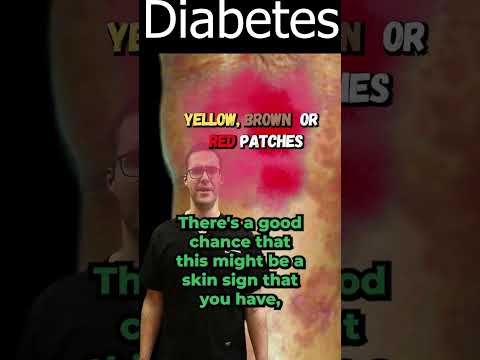
The patches typically appear shiny, yellowish, or reddish-brown, usually on the shins. They can be harmless, but they may indicate something more serious is going on inside your body. Recognizing what they mean matters.
This article will walk you through the symptoms of necrobiosis lipoidica diabeticorum and share some tips for care. Remember though: this content does not replace medical advice. Making health decisions should involve talking to a healthcare professional first.
Your skin tells a story—let’s make sure we understand what it’s saying!
A Comprehensive Guide to Managing and Alleviating Symptoms
Understanding Necrobiosis Lipoidica Diabeticorum
Necrobiosis lipoidica diabeticorum, or NLD for short, is a skin condition often linked to diabetes. It’s not super common, but when it happens, it can be pretty noticeable. Think of it like your skin’s way of reacting to changes in your body due to diabetes.
What are the Symptoms?
The symptoms of NLD usually start with small, raised areas on the skin that change over time. These patches can become shiny and smooth, often developing a yellowish tint. You might notice that they don’t itch much or hurt at first, which makes them kind of sneaky.
- Raised spots that look like bumps.
- Patches that are yellow or brown.
- Smooth and shiny texture on the skin.
- Occasionally ulcers may form if the patches get injured.
Causes Behind NLD
The exact cause isn’t perfectly clear yet. It’s believed to be related to blood sugar levels and how they affect the body’s tissues. If you have diabetes, your body can respond differently in terms of blood flow and nutrition for your skin cells. Sometimes genetics play a role too!
How Can You Manage Symptoms?
Managing symptoms often involves taking care of your overall health first. Keeping blood sugar levels stable is key. That means paying attention to diet and medication as prescribed by healthcare providers.
Skin Care Tips
- Moisturizing regularly can help keep the skin hydrated.
- Avoiding tight clothing over affected areas may reduce irritation.
- If there are any sores or ulcers, keeping them clean is important.
Avoiding Triggers
If you’re wondering about triggers, some people find that stress or certain injuries make their condition flare up. Reducing stress through activities like yoga or meditation could be beneficial—plus they feel good!
Making Lifestyle Changes
You might consider incorporating regular exercise into your routine if possible since it helps manage blood sugar levels better—and hey, it also boosts mood! Trying new healthy recipes can also make meals exciting while supporting better diabetes management!
Consulting Healthcare Providers
If you notice any changes in your skin or get worried about NLD symptoms worsening, consulting with a healthcare provider is crucial. They might suggest topical treatments like corticosteroids or other medications specifically tailored for you—remember every person’s experience is different!
A Final Thought
Necrobiosis lipoidica diabeticorum isn’t just a cosmetic concern; it’s connected to how well diabetes is managed. By staying proactive about health and seeking help when needed, you’re taking important steps toward caring for yourself holistically! Always hold on to hope—it matters!
Effective Strategies for Managing Necrobiosis Lipoidica in Diabetics
Understanding Necrobiosis Lipoidica
Necrobiosis lipoidica diabeticorum, or NLD for short, is a skin condition linked with diabetes. It often appears as yellowish-brown patches on the skin, usually on the lower legs. These patches can sometimes feel itchy or painful, but often they don’t bother people much at all.
What Causes NLD?
The exact cause of necrobiosis lipoidica isn’t entirely clear. Some experts think it has to do with blood circulation and tissue changes in people with diabetes. Essentially, high blood sugar levels might damage small blood vessels, leading to these skin changes.
Recognizing Symptoms
Symptoms generally include:
- Pearly or shiny areas on the skin that may be slightly raised.
- Color variations ranging from brown to red.
- Soreness or possible ulceration in severe cases.
If you notice these symptoms, it’s a good idea to chat with your healthcare provider. They can help figure out if it’s NLD or something else entirely.
Managing Necrobiosis Lipoidica
You know, managing NLD isn’t just about treating the skin spots; it’s also about controlling diabetes itself. Here are some approaches that can help:
- Blood Sugar Control: Keeping your diabetes well-managed can really help prevent further skin issues.
- Moisturizing: Using good moisturizers may alleviate dryness and combine with other treatments to soothe affected areas.
- Avoiding Injury: Be careful not to injure those spots since minor cuts could lead to more complex problems.
Treatment Options
If someone has particularly troublesome lesions, healthcare providers might recommend topical steroids or other medications. Sometimes doctors use light therapy to help reduce inflammation and promote healing too. Honestly though, treatment varies widely from one person to another based on individual needs and responses.
Lifestyle Considerations
Lifestyle plays a big role in managing NLD effectively. Here are some things that could contribute positively:
- Healthy Diet: Eating well not only helps manage diabetes but also promotes better overall health.
- Regular Exercise: Gentle activities like walking improve circulation which is essential for skin health.
- Avoid Smoking: Cigarette smoke is harmful not just for your lungs but also for your skin’s ability to heal properly.
Coping with Emotional Impact
A diagnosis like this can be emotionally challenging too. Remember that talking about how you feel—whether through support groups or friends—can make all the difference in coping with any issues that arise from having NLD.” Sometimes sharing experiences brings comfort and understanding from others who face similar situations!
Your Next Steps
If you’re dealing with necrobiosis lipoidica diabeticorum, it’s essential you stay informed and proactive about your health management strategies. Look out for changes in your condition and always have open discussions with your healthcare team regarding any concerns you might have along the way!
A Closer Look at the Unique Skin Changes of Necrobiosis Lipoidica
A Closer Look at Necrobiosis Lipoidica
Necrobiosis lipoidica is a skin condition that often shows up in people with diabetes. It’s not super common, but it can create some noticeable changes in the skin. If you’ve seen patches on the skin that seem shiny or have a yellowish hue, there’s a chance it could be this condition.
What Are the Symptoms?
People with necrobiosis lipoidica may notice flat lesions that can be red-brown at first. These spots usually develop into lighter, shiny areas over time. Sometimes the skin can crack or become ulcerated, which means it opens up and can get infected.
If you think of healthy skin like a smooth riverbank, necrobiosis lipoidica might look more like an eroded edge where things are uneven and changed. It’s not just a cosmetic issue; some individuals report discomfort or itching, too.
Why Does It Happen?
The exact cause isn’t fully understood yet. It is believed to relate to changes in blood vessels and how they respond to injuries in the skin. In people with diabetes, glucose levels can damage these tiny vessels over time.
Sometimes factors like body weight and blood sugar control come into play here. Imagine trying to keep a plant healthy: if water (glucose) fluctuates too much, it may not grow well—just like how your skin reacts under stress from high sugar levels.
Who Gets It?
This condition tends to affect women more than men and frequently appears in young adults or those aged 30-40 years old. The connection to diabetes is vital because many affected individuals often have this underlying health issue.
Treatment Options
Treating necrobiosis lipoidica can be tricky since it varies from person to person. Some doctors might recommend topical corticosteroids—these are creams that reduce inflammation—to help manage symptoms.
In some cases, injections of corticosteroids directly into the lesion may provide relief as well. To think about it simply: if your favorite plant looks wilted (the lesion), giving it concentrated nutrients (steroids) might help bring back its color and life!
Caring for Your Skin
- Keep an eye on blood sugar: Good control can sometimes help prevent new lesions from forming.
- Mild soap: Use gentle cleansers so you don’t irritate tender areas.
- Avoid scratching: It’s important not to pick at any lesions because this can lead to infections.
- Sunscreen: Protecting your skin from sun exposure helps maintain its health overall.
The Takeaway
Necrobiosis lipoidica isn’t just another skin rash; it’s often tied closely with diabetes management and requires attention. If you notice any changes in your skin that raise concerns, reaching out for advice from healthcare professionals who understand these complexities is always wise.
Your overall health plays a crucial role here—so while addressing the symptoms is important, managing your diabetes will also support better outcomes for your skin!
Understanding Necrobiosis Lipoidica Diabeticorum Symptoms and Care
Necrobiosis lipoidica diabeticorum (NLD) is a skin condition that can occur in people with diabetes. It often presents as shiny, reddish-brown patches on the skin, typically located on the lower legs. These patches can be raised and may develop a yellowish center, resembling a scar. The reason this happens is related to changes in the blood vessels and fatty tissue under the skin. It’s important to recognize these symptoms early.
People often wonder why they get this condition. Well, NLD is linked to poor blood sugar control over time, but it doesn’t just affect those with long-standing diabetes; it can also occur in individuals who have very mild forms of the disease.
Caring for NLD involves a few key steps. First off, managing blood sugar levels is crucial. When blood sugar levels are stable, it not only helps overall health but can also minimize skin issues like NLD. Additionally, applying moisturizing creams might help soothe the affected areas.
Don’t underestimate routine check-ups either! Regular visits to healthcare providers allow for better monitoring of both diabetes management and any skin changes that might arise.
There’s also some confusion around treatment options for NLD. While topical steroids might be prescribed to reduce inflammation in severe cases, they aren’t always necessary or effective for everyone. Sometimes phototherapy or even injections are considered when patches become particularly troublesome.
For those living with NLD or caring for someone who does, open communication with healthcare professionals is essential. Discussing any changes in symptoms or concerns promptly can make a significant difference in managing this condition.
In closing, understanding necrobiosis lipoidica diabeticorum—its symptoms and care—is vital for improving quality of life for individuals with diabetes. With proper management and attention to skin health alongside diabetes care strategies like weight control and diet adjustments—people can navigate their health journey more effectively.