The information provided in this article is intended solely for general informational and educational purposes. It does not constitute medical advice, diagnosis or professional treatment, and should not be considered a substitute for consultation with a qualified doctor or other licensed healthcare professional. Any health-related decisions should be made in consultation with accredited medical professionals.
While efforts have been made to ensure the information is accurate and up to date, no guarantees are given—either express or implied—regarding its accuracy, completeness, currency or suitability. Use of this information is at your own discretion.
It is strongly recommended to consult official sources such as the NHS (National Health Service) or other recognised medical institutions before acting on any information contained on this website or article. Under no circumstances should professional medical advice be ignored or delayed due to content read here.
This content is of a general and informational nature only. It is not intended to replace individualised guidance from a healthcare professional or to establish any doctor-patient relationship. The publication of this information does not imply any professional responsibility, guarantee or obligation on the part of the author or this site.
Understanding Cymbalta: Dosage, Uses, and Strengths Explained
Have you ever felt anxious or sad for what seems like no reason at all? It’s a common struggle. Many people experience ups and downs in their mood, and sometimes it can get pretty overwhelming. That’s where medications like Cymbalta come in.
Cymbalta is a type of medication called an antidepressant. It’s used to treat various conditions, including depression and anxiety. But maybe you’re wondering: how does it work? What should I know before taking it? And what about the right dosage for me?
This article will break down the essentials of Cymbalta. We’ll look at its uses, dosage information, and different strengths available. You’ll get a clearer picture of how this medication might fit into your life.
Keep in mind that while this content provides useful insights, it doesn’t replace medical advice. Your health decisions shouldn’t be made solely based on this article. Always consult with a healthcare professional for advice tailored to your situation.
Discovering the Minimum Effective Dose for Your Wellness Journey
Understanding Cymbalta
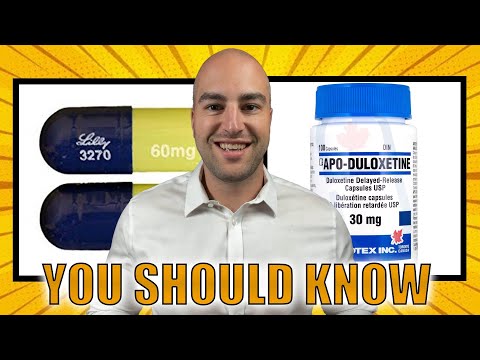
Cymbalta, or duloxetine, is a medication often used to treat depression and anxiety. It can also help with chronic pain, like fibromyalgia. So, what exactly does that mean for you?
How Does Cymbalta Work?
This medicine works by affecting certain chemicals in the brain. Essentially, it boosts levels of serotonin and norepinephrine. These are neurotransmitters that help regulate mood and pain. By doing this, it can lead to feelings of well-being.
Finding the Minimum Effective Dose
The minimum effective dose is simply the smallest amount needed to achieve an effect. For Cymbalta, this usually starts at 30 mg daily for many people. But here’s the thing: everyone is different.
Your body might react differently based on factors like age, weight, and overall health. Some might find relief at lower doses while others may require more for similar effects.
Dosing Flexibility
- Common dosages range from 30 mg to 120 mg per day.
- Often docs will start low and gradually increase until they find what works best.
- This gradual approach helps minimize side effects too.
The Importance of Communication
If you’re prescribed Cymbalta, it’s important to keep an open line with your healthcare provider. If you’re experiencing side effects or not feeling better after some time, talk about it! Adjustments might be necessary.
Potential Side Effects
Like any medication, Cymbalta comes with a risk of side effects. Common ones include nausea, dry mouth, fatigue or dizziness—none of those sound fun right? Not everyone experiences them though; some people tolerate it very well!
A Note on Expectations
You might hear about different experiences from others using Cymbalta. Remember that what works for one person may not work for you in the same way—our bodies are unique!
Your Wellness Journey
Cymbalta could be part of your wellness journey if you’re dealing with issues like anxiety or chronic pain. It’s essential to view it as a tool among many that can support your overall health strategy which may include therapy or lifestyle changes too.
So if you’re considering this medication or currently taking it—keep learning! Understanding how things work can empower you to take charge of your health in meaningful ways.
Finding the Right Balance for Relief from Nerve Pain
Nerve pain can be really challenging. It often feels like a sharp, burning, or tingling sensation. For many people, finding effective relief means trying out different options. One of those options might be Cymbalta.
What is Cymbalta?
Cymbalta is a medication that’s primarily used to treat depression and anxiety. However, it’s also prescribed for nerve pain caused by conditions like diabetes or fibromyalgia. The thing is, it works by affecting the way your brain processes pain signals.
How Does It Work?
Cymbalta belongs to a class of drugs called serotonin-norepinephrine reuptake inhibitors (SNRIs). These fancy terms basically mean that it helps increase levels of certain chemicals in the brain that can improve mood and reduce pain sensations. It’s similar to how a sponge soaks up water—Cymbalta helps hold onto those important chemicals instead of letting them go too quickly.
Dosage Information
The typical starting dose is usually around 30 mg once daily. From there, doctors may adjust it based on how you respond and any side effects you experience. Sometimes people go up to 60 mg or more, but that’s something to figure out with your healthcare provider.
Common Side Effects
- Nausea
- Drowsiness
- Dizziness
- Dry mouth
- Constipation
If you notice these effects don’t go away or get worse, it’s important to chat with someone about it.
The Balance Factor
It’s essential to find the right balance when using medications like Cymbalta for nerve pain. Everyone’s body reacts differently; what works great for one person might not work as well for another.
Think about it: if you’re tuning a guitar, sometimes you have to turn the peg just right so all strings sound good together—that’s similar to finding your dose! You might need time and adjustments before things feel just right.
Additional Strategies for Relief
- Physical therapy: Working with a physical therapist can help strengthen muscles and improve flexibility.
- Meditation: Relaxation techniques may help manage stress and pain perception.
- Adequate sleep: Good sleep hygiene supports overall health and recovery from pain episodes.
No single approach works for everyone; often it’s about piecing together different methods until you find what eases your discomfort best.
Your Next Steps
If you’re considering Cymbalta or currently using it but want more clarity on its role in managing nerve pain, reaching out to a healthcare professional is key. They can provide personalized support tailored just for you based on your health history and needs!
Finding the Right Balance for Your Mental Wellness
Understanding Mental Wellness
Mental wellness is often about finding the right balance in your life. It’s not just the absence of mental illness, but also how you feel and cope with challenges. You know, think of it like maintaining a garden. It requires attention, care, and sometimes a little weeding to keep everything growing happily.
The Role of Medication
Medications can play a part in mental wellness for some people. One such medication is Cymbalta, which is often prescribed for conditions like depression and anxiety. But what exactly does it do?
Cymbalta Explained
Cymbalta, known generically as duloxetine, belongs to a class of medications called serotonin-norepinephrine reuptake inhibitors (SNRIs). This means it helps increase levels of certain chemicals in your brain that regulate mood.
Dosage Considerations
The dosage can vary from person to person. Usually, doctors may start you on a lower dose to see how you respond. Common doses range from 30 mg to 120 mg per day depending on individual needs.
Uses Beyond Depression
While it’s primarily used for managing depression and anxiety disorders, Cymbalta has other uses too. It’s sometimes prescribed for chronic pain conditions like fibromyalgia or diabetic neuropathy—conditions where mental health can be intertwined with physical sensations.
Balancing Benefits and Risks
Finding the right balance between the benefits and potential side effects is crucial when considering any medication. Side effects can include nausea, dry mouth or even fatigue – none of which are very appealing.
The Importance of Communication
If you’re considering Cymbalta or any other medication for mental wellness, open conversations with your healthcare provider are essential. Discussing what you’re experiencing allows them to tailor treatment more effectively.
A Personal Touch
You’ve probably heard stories from friends or family about their experiences with medications. It’s worth noting that everyone reacts differently! What works wonderfully for one person might not work at all for another.
Lifestyle Factors Matter
Mental wellness isn’t just about pills; lifestyle choices matter deeply too! Regular exercise, balanced eating habits, social connections—these all contribute significantly to overall well-being.
- Pursuing hobbies that bring joy helps relieve stress.
- Sufficient sleep supports emotional regulation.
- A supportive network provides encouragement during tough times.
The Bigger Picture
Your mental wellness journey is personal and dynamic. Be patient with yourself during setbacks but also celebrate small victories along the way! Finding balance takes time—much like tending to that garden we talked about earlier…
If you’re interested in adding a medication like Cymbalta into the mix, always weigh those factors carefully—it’s a step worth taking after thoughtful consideration of all aspects involved!
Understanding Cymbalta can be quite enlightening, especially given its significance in treating various conditions. This medication is primarily used for depression and anxiety. It also helps with chronic pain, like fibromyalgia.
Dosage is key when it comes to Cymbalta. Generally, doctors start patients on a low dose, often around 30 mg daily. Over time, they may increase the dose based on how well the patient responds and tolerates the medication. This gradual approach helps minimize potential side effects.
The strengths available for Cymbalta range from 30 mg to 120 mg capsules. It’s important to note that higher doses aren’t necessarily better for everyone; what counts is finding the right balance for each individual.
A common question people have is about side effects. Some might experience nausea or fatigue when starting treatment, but these often improve after a few weeks. Staying in close touch with a healthcare provider during this time can make all the difference.
It’s worth mentioning that Cymbalta works differently than traditional antidepressants by affecting serotonin and norepinephrine levels in the brain—two crucial chemicals that regulate mood and pain perception.
Ultimately, understanding how Cymbalta works leads to better conversations between patients and their doctors. Informed decisions pave the way for effective treatment plans tailored to individual needs.