If you’ve ever felt a strange pain or clicking in your knee while playing sports or just going about your daily life, you might be wondering what’s going on. One common issue is a meniscus tear, which can happen during activities that involve twisting or sudden stops. That’s where Ege’s Test comes in—a valuable tool used by healthcare professionals to help detect these types of injuries.
Ege’s Test is like an invitation to understand how our knees work and what happens when they’re injured. When a doctor performs this test, they ask you to lie down and rotate your knee while applying pressure. The way your knee responds can reveal a lot about whether there might be a tear in the meniscus, which is the cartilage acting as a cushion between the thigh and shin bones.
However, it’s crucial to approach any medical information with care. Always seek advice from qualified professionals who can provide individualized guidance tailored to your situation. Don’t rely solely on one source; exploring various specialists and trusted media ensures you get well-rounded information. Remember, every body is different, and understanding your health requires more than just one test or opinion!
The information provided in this article is intended solely for general informational and educational purposes. It does not constitute medical advice, diagnosis or professional treatment, and should not be considered a substitute for consultation with a qualified doctor or other licensed healthcare professional. Any health-related decisions should be made in consultation with accredited medical professionals.
While efforts have been made to ensure the information is accurate and up to date, no guarantees are given—either express or implied—regarding its accuracy, completeness, currency or suitability. Use of this information is at your own discretion.
It is strongly recommended to consult official sources such as the NHS (National Health Service) or other recognised medical institutions before acting on any information contained on this website or article. Under no circumstances should professional medical advice be ignored or delayed due to content read here.
This content is of a general and informational nature only. It is not intended to replace individualised guidance from a healthcare professional or to establish any doctor-patient relationship. The publication of this information does not imply any professional responsibility, guarantee or obligation on the part of the author or this site.
Unveiling the Secrets Behind Ege’s Test: A Deep Dive into Its Purpose and Significance
Ege’s Test is a clinical procedure used to help identify meniscus tears in the knee. The test is named after a physician who developed this method for assessing knee injuries. Understanding how it works can enhance your knowledge about knee health.
Meniscus tears are common injuries, especially among athletes and active individuals. The meniscus acts like a cushion between your thigh bone and shin bone. When it’s torn, it can cause pain, swelling, and difficulty moving the knee.
So, what does Ege’s Test involve? It’s quite simple but effective. The person undergoing the test will stand on one leg while flexing the opposite knee at around 90 degrees. This position applies pressure to the meniscus.
The next step requires rotating the body inward while keeping balance on that one leg. This movement stretches and stresses the meniscus in a specific way. If there’s pain or discomfort during this maneuver, it might suggest a tear has occurred.
Key aspects of Ege’s Test:
Ege’s Test helps pinpoint problematic areas in the knee but should be part of a broader evaluation process. Always consider consulting with healthcare providers for comprehensive assessments.
It’s helpful to know that not all knee pain indicates a meniscus tear. Other conditions may also cause similar symptoms. Engaging with reliable sources or professionals is crucial for accurate information regarding any injury.
Understanding Ege’s Test empowers you to make informed choices about your health and well-being. The more you know about these tests and injuries, the better decisions you can make regarding treatment options and prevention strategies.
Understanding the Signs and Symptoms of a Meniscus Tear Diagnosis
A meniscus tear is a common knee injury. Understanding its signs and symptoms can help you identify the problem early. The meniscus is a C-shaped cartilage in the knee. It acts as a cushion between the thigh bone and shin bone.
When it tears, people often experience pain. This pain may be sharp or dull. It can make activities like walking or climbing stairs difficult.
Another sign of a meniscus tear is swelling. Swelling can occur within hours or days after the injury. If your knee feels puffy or looks larger than usual, this could be a sign.
You might also notice stiffness in your knee. This stiffness may make it hard to fully bend or straighten your leg. Some people describe this feeling as their knee being locked.
There’s also something called the “popping” sensation. This occurs when the tear happens during an activity, like twisting while playing sports. It can be alarming but is often just part of the injury.
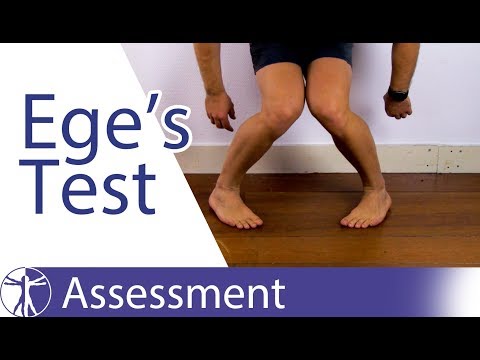
Ege’s test is one method to help detect a meniscus tear. During this test, you stand on one leg and squat down while keeping your other leg straight out behind you. If you feel pain on either side of the knee while doing this, it may indicate a torn meniscus.
Here are some key points about signs and symptoms of a meniscus tear:
Remember, these signs can vary from person to person. Not all tears cause noticeable symptoms right away.
If you suspect a meniscus tear, it’s important to seek advice from someone who understands these issues well. Early detection and management can support better healing outcomes.
Stay informed about your body’s signals! Knowledge is key in making responsible health decisions.
Unlocking the Secrets of Thessaly’s Test: Understanding Its Positive Implications
Understanding the Thessaly Test can illuminate its role in diagnosing meniscus tears in the knee. This simple yet effective test helps assess the integrity of this important cartilage.
The meniscus acts like a cushion between your thigh bone and shin bone. Think of it as a shock absorber for your knee, helping with stability and movement. A tear in the meniscus can cause pain, swelling, and difficulty moving your knee.
The Thessaly Test involves standing on one leg while twisting your body. It’s often performed at two different angles—20 degrees and 30 degrees of knee flexion. This is significant because it places stress on different parts of the meniscus.
Here’s how it works:
If you feel pain during this motion, especially along the joint line, it could indicate a meniscus tear. This test is valuable because it’s simple and can be done without special equipment.
Another related test is Ege’s Test, which also assesses for meniscus tears using similar principles but requires you to squat instead. Both tests provide insights into possible injuries but should not replace detailed imaging studies like MRIs when needed.
Why choose these tests?
However, it’s important to remember that these tests are just part of a bigger picture. Other conditions could cause similar symptoms, so a thorough evaluation is key.
In conclusion, understanding the Thessaly Test equips you with knowledge about how knees function and how injuries might occur. If you’re experiencing knee pain, discussing these tests with someone knowledgeable can lead to better decisions about your health journey.
Understanding Ege’s Test for Meniscus Tear Detection offers valuable insights into knee injuries, particularly those involving the meniscus. This test is a physical examination maneuver utilized to assess the integrity of the meniscal structures in the knee joint.
Ege’s Test involves patient positioning and movement. The individual stands on one leg and then squats down while turning the knee inward or outward. These movements create tension on the meniscus, helping to identify potential tears.
Key points to reflect on:
Recognizing that no single test is definitive underscores the importance of a thorough evaluation. This approach fosters critical thinking about diagnosis, emphasizing a holistic view of patient care. Ultimately, Ege’s Test serves as a useful tool within a broader diagnostic framework for knee injuries.