The information provided in this article is intended solely for general informational and educational purposes. It does not constitute medical advice, diagnosis or professional treatment, and should not be considered a substitute for consultation with a qualified doctor or other licensed healthcare professional. Any health-related decisions should be made in consultation with accredited medical professionals.
While efforts have been made to ensure the information is accurate and up to date, no guarantees are given—either express or implied—regarding its accuracy, completeness, currency or suitability. Use of this information is at your own discretion.
It is strongly recommended to consult official sources such as the NHS (National Health Service) or other recognised medical institutions before acting on any information contained on this website or article. Under no circumstances should professional medical advice be ignored or delayed due to content read here.
This content is of a general and informational nature only. It is not intended to replace individualised guidance from a healthcare professional or to establish any doctor-patient relationship. The publication of this information does not imply any professional responsibility, guarantee or obligation on the part of the author or this site.
Have you ever taken a pill and wondered why it didn’t seem to work as quickly as you thought it would? Or maybe you’ve struggled with stomach upset after swallowing certain medications. Believe it or not, the way some medicines are coated can make a huge difference in how they affect your body.
Enteric-coated medications are designed with a special layer that protects them from stomach acid. This prevents the medicine from breaking down too soon, allowing it to reach the intestines where it’s absorbed more effectively. Sounds clever, right? But what does this mean for your treatment?
In this article, we’ll dive into what enteric-coated medications are and why they’re important for ensuring effective treatment. By understanding how these coatings work, you’ll be better equipped to manage any concerns about your medications.
Of course, remember that this information doesn’t replace professional medical advice. It’s always best to consult with a healthcare provider before making any decisions about your health.
Discover the Benefits and Varieties of Enteric-Coated Tablets
Understanding Enteric-Coated Tablets
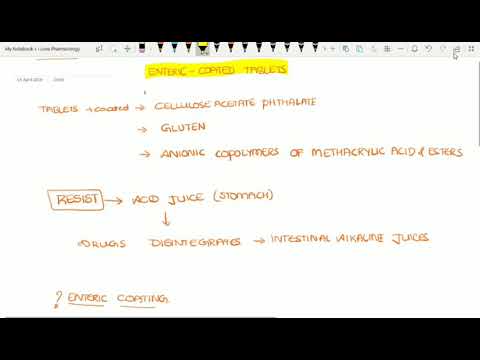
So, what’s the deal with enteric-coated tablets? They’re pretty interesting because they have a special coating. This coating protects the tablet from dissolving in your stomach. Instead, it allows the tablet to break down in your intestines.
You might wonder why that’s important. The stomach is super acidic, right? This acidity can destroy some medications before they get a chance to work. Enteric-coated tablets help ensure that these medications reach their target area—the intestines—where they can be absorbed into your system.
Benefits of Enteric-Coated Tablets
- Protection: The coating shields sensitive ingredients from stomach acid.
- Targeted Release: They release medication where it’s actually needed for better absorption.
- Reduced Stomach Irritation: Some medicines can upset your tummy, but enteric-coated forms minimize that risk.
- Dosing Flexibility: Certain drugs are better absorbed at different times, and these tablets can help with that timing.
A common example is aspirin. Plain aspirin can irritate the stomach lining for some people. But when it’s enteric-coated, it goes straight to the intestine first. Less harm and more benefit!
Types of Enteric-Coated Medications
You may find enteric-coated versions of various medications including pain relievers, some antibiotics or even vitamins like Vitamin C. Each enters as a type of pill but gives you different options for how to take them; isn’t that neat?
The variety means there’s something for almost every need—if a plain tablet doesn’t work well for you due to side effects or if you’re looking for a specific absorption profile.
Who Might Benefit?
If you’ve got conditions like ulcers or heartburn, enteric-coated tablets might be your friend. They’re also helpful if you’re taking medication that needs to avoid immediate breakdown in gastric acid.
Cautions Regarding Use
However, don’t forget: not all drugs are made equal! Just because something is enteric-coated doesn’t mean it suits everyone or every condition. It’s always good practice to chat with someone in healthcare about what works best for you specifically.
You should also remember: cutting or crushing an enteric-coated tablet could ruin its special protective layer! If you’re unsure about how to take them properly, just ask for guidance from someone knowledgeable—it’s worth it!
The Bottom Line
The key takeaway here is understanding why and when you might use an enteric-coated tablet. They offer benefits by protecting sensitive medications from harsh stomach conditions and targeting their release effectively.
Yet always stay curious and informed about what’s best for your health needs!
Discover the Benefits and Applications of Enteric-Coated Tablets in Healthcare
Understanding Enteric-Coated Tablets
Enteric-coated tablets are pretty interesting when you think about how they work. You know how some medicines can upset your stomach? Well, enteric coating is like a little shield that protects the tablet until it reaches the intestines. This is where it’s meant to dissolve and be absorbed into your bloodstream.
Why Use Enteric Coating?
The main goal of enteric coating is to prevent the tablet from breaking down in the stomach. Instead, it waits until it gets to a more neutral environment in the intestines. It’s like packing a delicate item in bubble wrap to keep it safe during transport.
- Stomach Protection: Some medications can cause irritation or discomfort in the stomach lining, so this coating helps by reducing those side effects.
- Pill Effectiveness: Certain drugs need to reach specific parts of the digestive system to work correctly. Enteric-coated tablets ensure that happens.
Real-Life Example
A common example of an enteric-coated medication is aspirin, particularly when used for preventing heart attacks or strokes. Regular aspirin can irritate your stomach, but enteric-coated aspirin isn’t released until it hits your intestines.
Applications in Healthcare
You might wonder, where else are these tablets used? Well, they’re also useful for medications that might taste bad or smell unpleasant. Coating them helps mask those flavors and aromas during swallowing.
- Certain Antibiotics: Some antibiotics benefit from being enterically coated because they help ensure proper absorption in the gut while protecting against acid damage.
- Nutritional Supplements: For example, some forms of vitamins might be easier on your digestive system when they’re coated like this.
The Bottom Line
If you’ve ever had trouble with pills upseting your stomach or not working effectively, enteric-coated options could be worth considering. However, just remember: while coats can offer benefits, not all medications require them—and not all are appropriate for every patient.
A Word of Caution
This isn’t about saying that one type of medication is better than another; different people have different needs. Before making any changes to medication regimens—or if you have questions—it’s important to chat with someone knowledgeable who can guide you based on individual circumstances. There’s no one-size-fits-all here!
Unveiling the Hidden Drawbacks of Enteric-Coated Tablets
Understanding Enteric-Coated Tablets
Enteric-coated tablets are designed to protect the active ingredients from stomach acid. You know, when you swallow a regular pill, it often gets dissolved in your stomach. But with enteric-coated ones, they stay intact until they reach the intestines.
The Benefits
The main point of enteric coating is to prevent irritation of the stomach lining. This can be especially important for medications that might cause discomfort if released too early. These tablets can also improve the absorption of certain drugs, which is pretty neat.
But Wait—What Are the Drawbacks?
- Delayed Release: Sometimes this delay can be a problem. If you need quick relief from something like pain, waiting for the tablet to dissolve can feel frustrating.
- Inconsistent Absorption: Not everyone’s digestive system is the same. Factors like food intake and gut health can impact how well these tablets work.
- Poor Breakdown: Occasionally, these coatings don’t break down as intended. This means some people might not get their full dose.
- Cost Issues: Enteric-coated tablets are often more expensive than regular pills. That extra cost could add up over time.
- Sensitivity to Temperature: They may not react well to extreme heat or cold during storage which could affect their effectiveness.
An Example to Consider
If you take a medication for arthritis that’s enteric-coated, it’s meant to minimize stomach issues you might experience with regular doses. But if you’re in severe pain and need quick action from that medication? The delay could be annoying because it won’t kick in right away.
A Little Balance Goes a Long Way
A conversation with your healthcare provider about whether an enteric-coated tablet is suitable for you can help clear things up. Often people think “more layers = more protection,” but it’s not always that simple.
Phrases That Mislead
You might hear claims about “better absorption” or “ultimate protection.” Just remember that while there’s truth to those statements, individual experiences vary significantly based on health status and digestion processes.
Your Takeaway
The bottom line is enteric-coated tablets have distinct advantages and drawbacks. It’s critical to weigh both sides and make informed choices about what works best for your treatment plan. Talking this over with someone who knows your health situation will help ensure you’re on the right track!
Understanding Enteric-Coated Medications for Better Treatment
Enteric-coated medications play a unique role in medicine. They have a special coating that prevents the pill from dissolving in the stomach. Instead, it breaks down in the intestines. This is important because some drugs can be irritating to the stomach lining or degrade due to stomach acid.
One example is aspirin, often used for pain relief and heart health. When it’s coated, it reduces the risk of stomach ulcers. Patients can take the medication without worrying about gastrointestinal discomfort.
Now, think about how much these coatings can affect drug absorption. Some medications need to hit the intestines for better effectiveness. For instance, certain digestive enzymes work better when they bypass stomach acid.
Patients need to understand how to take these medications properly. Chewing or breaking them can negate their benefits and lead to unwanted side effects or reduced efficacy.
This approach isn’t just about convenience; it’s science at work in patient treatment. Healthcare providers must explain this clearly to improve adherence and outcomes.
In summary, understanding enteric-coated medications enhances treatment plans overall. It empowers patients and helps them manage their health more effectively.