The information provided in this article is intended solely for general informational and educational purposes. It does not constitute medical advice, diagnosis or professional treatment, and should not be considered a substitute for consultation with a qualified doctor or other licensed healthcare professional. Any health-related decisions should be made in consultation with accredited medical professionals.
While efforts have been made to ensure the information is accurate and up to date, no guarantees are given—either express or implied—regarding its accuracy, completeness, currency or suitability. Use of this information is at your own discretion.
It is strongly recommended to consult official sources such as the NHS (National Health Service) or other recognised medical institutions before acting on any information contained on this website or article. Under no circumstances should professional medical advice be ignored or delayed due to content read here.
This content is of a general and informational nature only. It is not intended to replace individualised guidance from a healthcare professional or to establish any doctor-patient relationship. The publication of this information does not imply any professional responsibility, guarantee or obligation on the part of the author or this site.
Have you ever thought about how your thyroid affects your daily life? Many people don’t realize this little butterfly-shaped gland plays a huge role in how you feel. It controls metabolism, energy levels, and even mood. When it’s off balance, it can cause a range of issues.
Thyroid medications are often part of the solution. But do you know what types exist and what they do? This article aims to unpack that for you. We’ll explore different thyroid medications, how they work, and their specific uses. You may have heard terms like levothyroxine or liothyronine but found them confusing.
The goal here is to help you understand these meds clearly so you can feel more confident in your health choices. It’s important to remember that while this information is helpful, it doesn’t replace professional medical advice. Always consult with a healthcare provider before making any decisions about your health.
Your well-being matters, and knowing the ins and outs of your treatment options can empower you to work with your doctor more effectively.That’s what we’re diving into today!
Exploring the Options for Thyroid Health Management
Understanding Your Thyroid
The thyroid is a small butterfly-shaped gland in your neck. It plays a big role in how your body uses energy. Basically, it regulates metabolism, which includes everything from how fast you burn calories to your mood and temperature regulation.
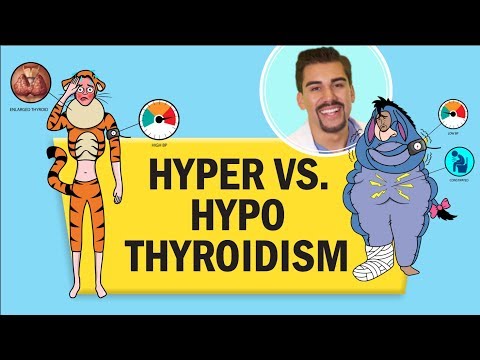
When the thyroid doesn’t work quite right, it can lead to conditions like hypothyroidism or hyperthyroidism. Hypothyroidism means the gland is underactive and doesn’t produce enough hormones. On the other hand, hyperthyroidism means it’s overactive, making too many hormones.
Types of Thyroid Medications
Now let’s get into medications that can help manage these conditions. For hypothyroidism, the most common treatment is replacement therapy with levothyroxine.
- Levothyroxine: This medication mimics the hormone thyroxine (T4). It’s usually taken as a daily pill and helps regulate your body’s functions by providing the hormones your thyroid isn’t making.
With levothyroxine, doctors typically monitor your TSH levels (Thyroid-Stimulating Hormone) to see how well you’re responding. Sometimes people may need their dose adjusted based on symptoms or blood tests.
Treatment for Hyperthyroidism
If someone has hyperthyroidism, doctors have several options for treatment. One common medication used is methimazole.
- Methimazole: This drug helps lower hormone production in an overactive thyroid. Think of it as helping to dial down activity when things are running too fast.
Apart from medications, sometimes radioactive iodine or surgery may be suggested to treat hyperthyroidism under certain circumstances.
The Importance of Regular Monitoring
No matter which medication someone may be on, regular check-ups are crucial. The goal is to find a balance where symptoms are controlled without side effects from the medications.
What About Supplements?
You might hear about various supplements claiming benefits for thyroid health like iodine or selenium. While these nutrients are important for thyroid function, getting enough through diet usually suffices for most people. Extra supplementation should be discussed with a professional because too much could be harmful.
Misinformation Around Thyroid Medications
- An important thing to mention is that there are lots of myths surrounding thyroid health—like needing to avoid all gluten or dairy completely just because management isn’t perfect yet.”
- Another misconception is that if you start on medication you’ll have to take it forever; while many do require long-term treatment, some might not depending on individual circumstances.”
The journey with thyroid management can feel overwhelming sometimes—but remember: you’re not alone in this! Your doctor should work closely with you to tailor an approach suited best for you and ensure you understand all aspects of your treatment plan. That way it becomes less daunting!
Your Path Forward
If you’re wondering about starting any new medications or changing dosages, it’s key to have those conversations openly with a healthcare provider who knows your situation well.
In essence: knowledge about what works and what doesn’t goes hand in hand with effective management!
Understanding the Unique Roles of T3 and T4 in Your Health Journey
The thyroid is a small but powerful gland located in your neck. It produces hormones that play a big role in how your body works. Two key hormones made by the thyroid are T3 and T4. They can be a bit confusing, but let’s break them down.
What’s the difference between T3 and T4?
T4, or thyroxine, is the main hormone produced by the thyroid. Think of it as a storage form. It’s like having a battery that holds energy until it’s needed. On the other hand, T3, or triiodothyronine, is more active and potent. It’s like using that battery to power up your devices.
About 80% of T3 comes from converting T4 in various tissues throughout your body. That means if you have low levels of either hormone, it can throw things off balance.
Why are these hormones important?
T3 and T4 affect many body functions. They help regulate metabolism—the process by which your body converts food into energy. This affects everything from your weight to how warm you feel. If levels are too low or too high, you might notice changes such as fatigue or irritability.
How do medications fit in?
If someone has an underactive thyroid—known as hypothyroidism—they might need medication to help balance their hormone levels. Common medications include levothyroxine, which is synthetic T4. As for people who need immediate relief for low levels of active hormone—usually after surgery—doctors might prescribe liothyronine, which contains synthetic T3.
- Levothyroxine: Used for treating hypothyroidism; provides steady hormone replacement over time.
- Liothyronine: Gives an immediate boost; often used when quick results are necessary.
This means some people might just need one type of medication while others may benefit from both depending on their specific circumstance.
A little perspective on dosing
Dosing for these medications can change over time based on symptoms or underlying health issues so regular check-ups with healthcare providers matter a lot! Sometimes people think they’re feeling okay because they took their medicine once and it worked immediately—but really it’s about consistent management over time.
The bottom line
T3 and T4 play unique roles in maintaining health through hormonal balance. Understanding this may help when discussing treatment options with healthcare teams plus managing symptoms effectively—just remember everybody’s experience is different!
Unlocking the Secret to Optimal Thyroid Health
Understanding Thyroid Medications: Types and Their Uses
The thyroid is a small butterfly-shaped gland in your neck. It plays a huge role in regulating metabolism, energy levels, and even heart rate. When it isn’t working properly, people can face various health issues. But that’s where thyroid medications come into play.
Types of Thyroid Medications
There are two main types of medications for thyroid health: hormone replacement and antithyroid drugs. Each serves different purposes depending on the condition.
- Thyroid Hormone Replacement: This includes drugs like levothyroxine (Synthroid) or liothyronine (Cytomel). The goal here is to replace the hormones that the thyroid isn’t producing enough of, you know? These meds help restore normal levels.
- Antithyroid Drugs: On the flip side, these help reduce the production of thyroid hormones. Methimazole (Tapazole) is a common one used for conditions like hyperthyroidism, which is when your gland is overactive.
When Are These Medications Used?
If someone has an underactive thyroid—meaning it doesn’t produce enough hormones—replacement therapy is generally prescribed. This can be due to conditions like Hashimoto’s disease or simply aging.
If hyperthyroidism is at play? Antithyroid drugs are usually suggested to help control those hormone levels and bring things back into balance.
Dosing and Monitoring
Dosing isn’t a one-size-fits-all situation. It’s often tailored based on blood tests measuring hormone levels in your body. Regular monitoring helps ensure that everything stays within range, preventing symptoms from getting out of hand.
Common Side Effects
No medication comes without risks, right? With levothyroxine, some may experience palpitations or weight changes. Antithyroid medications can cause rashes or even liver issues in rare cases.
- If you notice anything unusual after starting medication, it’s always a good idea to reach out to your healthcare provider just to be safe.
The Importance of Lifestyle Choices
The thing is, while medications are essential for managing thyroid health, lifestyle matters too! Eating a balanced diet rich in iodine can support your thyroid function. Foods like fish, dairy products, and certain grains are helpful.
You might also want to limit processed foods and added sugars; they can lead to inflammation which isn’t great for anyone’s health!
Misinformation Around Thyroid Health
A common myth? That taking more medication will speed up recovery or improve symptoms faster. That’s not how it works! Overmedication can lead to its own set of problems—even making you feel worse!
An informed conversation with a healthcare professional often clears up confusion about how these meds really work alongside other elements affecting health.
Your Takeaway on Thyroid Medications
Navigating through thyroid health means understanding what you’re putting into your body and why it’s essential. Whether it’s replacing low hormone levels or controlling an overactive gland, each step requires careful consideration.
Remember: being proactive about both medication management and lifestyle choices gives you more power over your well-being!
Understanding Thyroid Medications: Types and Their Uses
The thyroid gland plays a crucial role in our body’s metabolism, energy levels, and overall health. When it doesn’t function properly, medications are often prescribed to manage the imbalance.
There are two primary types of thyroid medications: hormone replacement therapies and antithyroid medications. Hormone replacement is typically used for hypothyroidism, a condition where the thyroid is underactive. This might sound complicated, but think of it as giving your body what it’s missing.
Hormone Replacement Therapies
The most common medication for hypothyroidism is levothyroxine. It’s essentially a synthetic version of thyroxine (T4), one of the hormones naturally produced by the thyroid. When someone takes levothyroxine, they’re supplementing what their body isn’t making enough of.
Patients will usually take this medication daily. It’s important to get regular blood tests to ensure that the dose is right since too much can lead to symptoms like anxiety or increased heart rate—you definitely want to avoid that!
Antithyroid Medications
On the opposite end, we have conditions like hyperthyroidism where the thyroid produces too much hormone. In such cases, medications like methimazole are used to reduce hormone production. It’s kind of like turning down a loud volume—bringing things back into balance.
This type can take some time before seeing results since it targets hormone synthesis rather than simply replacing hormones already low in the body.
Considerations
While both types of medications play distinct roles, they’re not without side effects or interactions with other drugs or even certain foods. For instance, iron supplements can interfere with levothyroxine absorption.
So hey, if you’re on these meds or considering them, talking openly with your healthcare provider is key! They can help navigate any concerns or adjustments necessary for effective treatment.
The bottom line? Knowing how and why these medications work offers better insights into managing your health—and empowers patients in their treatment journey.