The information provided in this article is intended solely for general informational and educational purposes. It does not constitute medical advice, diagnosis or professional treatment, and should not be considered a substitute for consultation with a qualified doctor or other licensed healthcare professional. Any health-related decisions should be made in consultation with accredited medical professionals.
While efforts have been made to ensure the information is accurate and up to date, no guarantees are given—either express or implied—regarding its accuracy, completeness, currency or suitability. Use of this information is at your own discretion.
It is strongly recommended to consult official sources such as the NHS (National Health Service) or other recognised medical institutions before acting on any information contained on this website or article. Under no circumstances should professional medical advice be ignored or delayed due to content read here.
This content is of a general and informational nature only. It is not intended to replace individualised guidance from a healthcare professional or to establish any doctor-patient relationship. The publication of this information does not imply any professional responsibility, guarantee or obligation on the part of the author or this site.
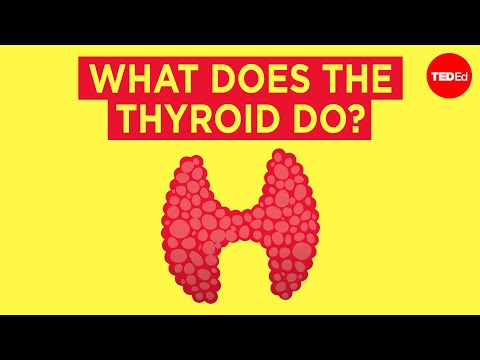
Have you ever wondered why some people seem to have endless energy while others feel sluggish all the time? It’s fascinating how much our bodies rely on tiny structures like the thyroid gland. This butterfly-shaped organ, located in your neck, plays a huge role in regulating metabolism, energy levels, and overall health.
Understanding how the thyroid works is really important. You might not think about it often, but issues with this gland can lead to fatigue, weight changes, and even mood swings. When things go wrong with the thyroid, it can affect your life in ways you might not expect.
This article is all about unraveling the anatomy of your thyroid gland. We’ll break down what it does, how it interacts with other parts of your body, and why keeping it healthy is critical for your well-being. You should know that while we aim to provide useful insights here, this content does not replace medical advice. Always consult a healthcare professional before making any health decisions.
So grab a cup of tea or coffee and let’s dive into this essential part of your body!
Unlocking the Secrets of Your Body’s Hormonal Balance
Understanding Your Thyroid Gland
Your thyroid gland might be small, but it’s super important! Located in the front of your neck, it looks kind of like a butterfly. This little powerhouse is responsible for producing hormones that regulate your metabolism, energy levels, and even your mood. It’s crucial to understand how this gland works because its balance affects many aspects of your health.
The Role of Hormones
The thyroid produces two main hormones: thyroxine (T4) and triiodothyronine (T3). Think of them as the gas pedal for your body’s engine. If you have too much or too little of these hormones, it can lead to various health issues. For example, an excess may cause hyperthyroidism, where you feel anxious or lose weight rapidly. On the other hand, low levels can lead to hypothyroidism—making you feel tired or gain weight.
How Does It Work?
The thyroid is controlled by another gland called the pituitary gland located in your brain. When the pituitary senses that T4 or T3 levels are low, it releases thyroid-stimulating hormone (TSH)—kind of like a coach urging a player to perform better. This signals the thyroid to produce more hormones.
Common Thyroid Issues
- Hypothyroidism: This occurs when your thyroid doesn’t make enough hormones. Symptoms often include fatigue and weight gain.
- Hyperthyroidism: Here, there’s too much hormone production leading to symptoms like irritability and rapid heartbeat.
- Goiter: An enlarged thyroid can happen due to lack of iodine or other issues.
The Impact on Overall Health
A healthy hormonal balance is key for maintaining energy levels and emotional stability. For instance, if you’re feeling unusually sluggish or anxious without an obvious reason, it might be wise to look into how well your thyroid is functioning.
Lifestyle Factors
Your lifestyle can affect how well your thyroid functions. Eating a balanced diet rich in nutrients helps maintain hormonal balance. Foods with iodine—like fish and dairy—play an important role since iodine is necessary for hormone production. Stress management techniques like yoga or meditation may also contribute positively by reducing any stress impacts on hormone regulation.
Listening to Your Body
If you notice any changes in energy levels or mood swings that don’t seem right, it’s definitely worth taking note of those symptoms! Sometimes people dismiss these feelings as just part of life when they could be signs from their body asking for attention.
The Bottom Line
Your body’s hormonal balance hinges on many components and understanding the role of the thyroid gland can help you make informed decisions about your health. Remember that these glands work together with other systems in surprising ways!
If you’ve got further questions about how this all ties together regarding personal health experiences—well that’s where personal research plays a role; just always check reliable sources!
Unveiling the Hidden Secrets of Thyroid Location in Women’s Health
Understanding the Thyroid Gland
The thyroid gland is a small but powerful butterfly-shaped organ located at the base of your neck, just below the Adam’s apple. Often, people don’t even realize it’s there until they have a problem. It sits neatly around the windpipe (trachea) and plays a massive role in regulating various bodily functions.
Why Is It Important?
This gland produces hormones like thyroxine (T4) and triiodothyronine (T3). These hormones are crucial for metabolism, which is how your body converts food into energy. Think of it like a thermostat; it helps set the body’s temperature and can even influence heart rate.
How Does It Affect Women’s Health?
In women, thyroid health can significantly impact overall well-being. For example, conditions like hypothyroidism (an underactive thyroid) can cause fatigue, weight gain, and depression. Meanwhile, hyperthyroidism (an overactive thyroid) can lead to weight loss, anxiety, and even hair thinning.
Common Thyroid Disorders
- Hashimoto’s Thyroiditis:This is an autoimmune condition where the immune system attacks the thyroid. It often leads to hypothyroidism.
- Graves’ Disease:This is another autoimmune disorder but causes hyperthyroidism instead.
- Goiter:A goiter is an enlargement of the thyroid gland itself. It can occur with both hypo- or hyperthyroidism.
The Role of Iodine
Iodine is essential for producing thyroid hormones. If you don’t get enough iodine in your diet—think iodized salt or seafood—you may be at risk for developing issues with your thyroid.
Symptoms to Watch For
If you’re experiencing unexplained fatigue, changes in weight that don’t match your lifestyle changes or mood swings that seem excessive, it might be worth looking into your thyroid health. Sometimes women notice these symptoms during pregnancy or menopause when hormonal fluctuations are common.
Caring for Your Thyroid
Minding your nutrition goes a long way in supporting good thyroid function. Incorporating a balanced diet rich in fruits, vegetables, whole grains, and lean proteins can help maintain healthy hormone levels.
Lifestyle Factors
- Stress Management:You know how stress affects almost every part of our lives? The same goes for thyroid health; reducing stress through exercise or mindfulness practices can really help!
- Sufficient Sleep:A solid sleep routine acts like a reset button for many bodily functions including hormone production from the thyroid.
The Bottom Line
Your thyroid may not be something you think about daily but it quietly influences many areas of health—especially women’s health. If you’re feeling off balance or are curious about its function in your life feel free to talk with someone who can guide you appropriately! Remember that taking care of this little gland can make quite a difference in how you feel overall!
Unlocking the Secrets of Your Body’s Energy Regulators
Understanding Your Thyroid Gland
The thyroid gland plays a key role in your body’s energy levels. But what exactly is it? Located in the front of your neck, it’s shaped like a butterfly. It produces hormones that help control metabolism, which is basically how your body uses energy.
What Are Thyroid Hormones?
Your thyroid produces two main hormones: thyroxine (T4) and triiodothyronine (T3). T4 is more abundant, but T3 is the active form that actually gets to work in your body. These hormones influence almost every cell, tissue, and organ.
Why Is This Important?
Think of thyroid hormones like gas for a car. If there’s too much or too little gas, the car won’t run smoothly. Similarly, if your thyroid produces too many hormones, you might feel anxious or lose weight unexpectedly. On the flip side, with low hormone levels, weight gain and tiredness can occur.
How Do You Know If It’s Working Right?
Many people have questions about their thyroid function. Common tests measure hormone levels in your blood to see if they are within healthy ranges. Symptoms can also give clues; for example, feeling constantly cold or experiencing hair loss might signal an issue.
Thyroid Conditions
There are several conditions related to the thyroid. Hypothyroidism happens when it doesn’t produce enough hormones. Hyperthyroidism is when it produces too much. Each condition comes with its own set of symptoms and treatment options.
The Role of Iodine
Iodine is crucial for producing thyroid hormones; without enough iodine in your diet, your body can’t make these important hormones efficiently. This can sometimes lead to goiter—a swelling of the thyroid gland—kind of like thirst signaling you need water.
Lifestyle Impacts on Thyroid Health
Certain lifestyle factors can also affect how well your thyroid works. Stress management and regular exercise support overall health including that little butterfly gland we often overlook! A balanced diet rich in nutrients helps keep everything running smoothly.
A Myth About Thyroid Health
You might hear folks say they need to take synthetic thyroid hormone even without diagnosis just because they feel tired—you know? It’s important not to jump into conclusions without proper testing first!
Your Next Steps
If you’re wondering about your energy levels or suspect something’s off with your thyroid function—it’s best to consult with someone who knows how to interpret those tests! Sharing concerns openly can help ensure you’re on the right path towards balance.
Understanding Thyroid Gland Anatomy: A Reflection
The thyroid gland is a small, butterfly-shaped organ located in the neck, just below the Adam’s apple. It’s fascinating how something so tiny can have such a massive impact on our overall health. It produces hormones that regulate metabolism, energy levels, and even mood. When you think about it, our bodies are like intricate machines where every part plays a crucial role.
Many people overlook the thyroid until something goes wrong. Conditions like hypothyroidism (where the gland is underactive) or hyperthyroidism (where it’s overactive) can lead to surprising issues, from weight gain to fatigue or anxiety. Understanding this gland’s function can empower individuals to recognize symptoms early and seek help.
An analogy that helps me grasp its importance is thinking of the thyroid as a thermostat for your body’s internal temperature. Just as a thermostat regulates warmth in your home, the thyroid controls how fast or slow your body runs through hormone production.
Awareness of thyroid health also underscores the relationship between anatomy and function. The gland’s structure—composed of follicular cells that produce hormones and parafollicular cells producing calcitonin—shows how specialization plays an essential role in hormone release.
In summary, having a basic understanding of thyroid anatomy doesn’t just enhance our knowledge; it invites better conversations about health with healthcare providers when necessary. Everyone should feel empowered to understand their bodies! After all, knowledge truly is power.