The information provided in this article is intended solely for general informational and educational purposes. It does not constitute medical advice, diagnosis or professional treatment, and should not be considered a substitute for consultation with a qualified doctor or other licensed healthcare professional. Any health-related decisions should be made in consultation with accredited medical professionals.
While efforts have been made to ensure the information is accurate and up to date, no guarantees are given—either express or implied—regarding its accuracy, completeness, currency or suitability. Use of this information is at your own discretion.
It is strongly recommended to consult official sources such as the NHS (National Health Service) or other recognised medical institutions before acting on any information contained on this website or article. Under no circumstances should professional medical advice be ignored or delayed due to content read here.
This content is of a general and informational nature only. It is not intended to replace individualised guidance from a healthcare professional or to establish any doctor-patient relationship. The publication of this information does not imply any professional responsibility, guarantee or obligation on the part of the author or this site.
Have you ever felt a nagging pain in your neck after a long day at work? You’re not alone. Millions of people experience neck discomfort, often without knowing why. It’s amazing how much our necks do for us! They support our head, allow us to look around, and play a big role in our overall health.
This article dives into the anatomy of the neck—what it’s made of and how it functions. Understanding your neck’s structure can actually help make sense of that pain you’re feeling. Maybe it’s muscle tightness from hours hunched over a computer or something more intricate.
We’ll explore common causes of neck pain and effective ways to take care of yourself. Knowledge is power here! The more you know about this vital area, the better choices you can make for your wellbeing.
Just a quick reminder: this content isn’t meant to replace professional medical advice. Always consult with a healthcare professional for diagnosis or treatment options tailored to your situation.
Exploring the Anatomy That Supports Movement and Strength
Understanding Neck Anatomy and Its Role in Movement
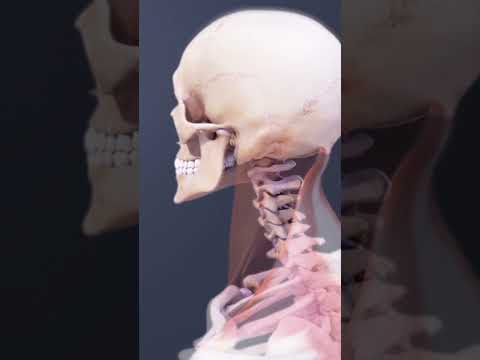
The neck is an amazing structure that lets us move our head in all directions. It connects the brain to the rest of the body, which is pretty crucial, right? At the base of your skull, you’ll find vertebrae called cervical vertebrae. They’re numbered C1 through C7, with C1 being closest to your skull.
These vertebrae work like building blocks. Each one has a different shape, allowing for flexibility and strength. Look at it this way: when you stack books on a shelf, some can be thicker than others. That’s similar to how these vertebrae support your neck’s movements!
Muscles and Their Importance
Now let’s talk about muscles. There are several important muscles in the neck that help with movement and provide stability. For example, the sternocleidomastoid muscle allows you to turn your head side to side or nod up and down.
You might have noticed that sometimes after a workout or just sitting too long at a desk, these muscles can get tight. Imagine lifting weights—your biceps may get sore after working out! Well, that happens in the neck too.
The Role of Ligaments
Ligaments are like tough rubber bands that connect bones together—like glue holding everything stable. In your neck, they help keep the spine aligned as you move. This is super important because if something gets out of whack, pain might follow.
- Ankylosing spondylitis: A condition affecting spinal joints.
- Cervical spondylosis: Degeneration due to wear and tear over time.
- Herniated discs: When disc material pushes on nearby nerves.
Pain Management Strategies
If you’re experiencing neck pain, knowing what could cause it helps a lot. Sometimes it’s just tension from stress or bad posture while scrolling on your phone—sound familiar? Stretching is key here! Gentle stretches can relieve tension quickly.
You could also consider applying heat or cold packs depending on what feels best for you. Heat can relax tight muscles while cold packs reduce swelling if there’s inflammation involved.
Caring for Your Neck
s sitting hunched over gives so many people troubles these days; simple adjustments really make a difference! Maintaining good posture while reading or using devices helps keep those cervical vertebrae aligned properly.
If you’re serious about strengthening your neck muscles, exercises focusing on flexibility and strength are great options as well! Think about activities like yoga or pilates—they often emphasize proper alignment and core stability which includes supporting your neck more effectively!
A Note on Seeking Help
Sometimes pain lingers longer than expected; that’s when seeking professional advice may become necessary! A physio-therapist can guide appropriate movement patterns tailored specifically for you!
Your neck plays such an integral role in not just turning your head but also overall movement—we cannot underestimate it!
Understanding the Hidden Structures and Functionality of Your Neck’s Backbone
The neck, or cervical spine, is a fascinating part of our body. It’s not just there to hold up your head—it has a variety of roles that are crucial for movement and support. So, let’s break it down.
What’s in Your Neck?
Your neck contains seven vertebrae, labeled C1 to C7. These are the bones that stack on top of each other, forming the backbone in your neck. It’s kind of like a tower made up of building blocks. Each block helps protect the spinal cord, which runs through a canal formed by these vertebrae.
The Role of Vertebrae
Each cervical vertebra has a unique shape and function. For example, C1 (the atlas) supports your skull and allows you to nod your head “yes.” Meanwhile, C2 (the axis) lets you shake your head “no.” This mobility is super important for daily activities like driving or simply looking around.
Cushioning and Support
Intervertebral discs sit between these vertebrae as cushioning pads. They act like shock absorbers during movement, preventing the bones from grinding against each other. Think about them like marshmallows between cookies—softening any impact during motions like bending or twisting.
Nerves That Communicate
Your neck houses important nerves that branch off from the spinal cord. These nerves send signals between your brain and various parts of your body—like your arms and hands. Ever feel tingling in your fingers? It could be related to nerve issues in the neck area.
Muscles and Movement
Surrounding all this bony structure are muscles that help support and move your head and neck. They’re essential for turning, tilting, or even holding our heads still while we focus on something.
Pain: A Common Concern
Pain in the neck can stem from various sources—muscle strain from poor posture or sleeping wrong maybe? It could also be due to issues with discs or arthritis as we age.. It’s vital to listen to what your body is telling you when it comes to discomfort.
Caring for Your Neck
- Practice good posture when sitting or typing.
- Taking regular breaks from screens can help reduce strain.
- Gentle stretching exercises might ease tension over time.
- If pain persists, seeking help would be wise!
This All Sounds Complicated
I get it; all this anatomy stuff can feel overwhelming! Yet understanding how our neck works helps us appreciate its role in our daily lives more deeply. Taking care of it is vital for overall well-being because a healthy neck contributes greatly to quality of life.. Just remember: staying aware and proactive is key!
Discover the Hidden Forces Behind Your Neck’s Flexibility and Strength
Understanding Neck Anatomy: The Basics
Your neck is like a bridge connecting your head to your body. It contains bones, muscles, nerves, and blood vessels all working together. The cervical spine is made up of seven vertebrae (that’s the bones), labeled C1 to C7. Each one has a specific role.
Imagine these vertebrae as building blocks – they stack on each other and allow for movement. Muscles surrounding them provide strength and flexibility. Without good muscle support, our necks would be pretty vulnerable.
The Role of Muscles
Muscles in your neck include the sternocleidomastoid (try saying that three times fast!), trapezius, and scalene muscles among others. These help with turning your head, looking up or down, and keeping it steady.
Think about it: without these muscles, simple tasks like checking your blind spot while driving would be hard! Regular stretching and strengthening exercises can help keep these muscles happy.
Importance of Ligaments
Ligaments are tough bands of tissue that connect bones to other bones. In the neck, they help keep everything stable while still allowing some movement. Think of ligaments as safety ropes on a climbing wall; they hold everything in place while you reach for the next foot hold.
Nerves: The Communication Line
Nerves extend from your spinal cord into different parts of your body, including the arms and hands. They send signals back and forth – this helps you feel sensations like touch or pain. If something presses on these nerves due to injury or tightness, it can cause discomfort or weakness in those areas.
Pain-Related Issues
Pain in the neck can come from many sources—like poor posture or sleeping awkwardly. Sometimes it’s the result of muscle strain from long hours at a desk or looking down at phones too much. Who hasn’t felt that twinge after scrolling through social media?
- Poor ergonomics can lead to discomfort over time.
- Injuries from falls or accidents impact mobility too.
- Diseases such as arthritis affect joint health in that area.
Caring for Your Neck
Taking care of your neck involves simple things like maintaining good posture—keeping those shoulders back! You know how sitting up straight makes you feel more alert? It’s also great for reducing strain on the neck!
- Regular breaks during computer use can prevent stiffness.
- A warm compress helps ease muscle tension when needed!
- A proper pillow support while sleeping matters more than many people think!
The Bottom Line
Your neck is an incredible structure but it requires some attention to maintain its flexibility and strength! Recognizing how each component works can empower you to care for it better—leading to less discomfort overall.
Engaging in gentle movements daily lets you appreciate how flexible this part of our body really is! So take a moment each day just to notice how your neck feels—it may surprise you!
Understanding Neck Anatomy: A Guide to Pain and Care
Exploring neck anatomy is way more important than people often realize. The neck connects the head with the body, and it houses vital structures that support movement and function. You know, we take it for granted until something goes wrong.
The neck contains muscles, nerves, blood vessels, vertebrae, and intervertebral discs. Each of these components plays a role in flexibility and strength. When pain arises, it’s typically linked to any of these structures becoming strained or injured.
Common causes of neck pain include poor posture, muscle tension from stress, or even herniated discs—where the cushioning between the vertebrae bulges out. Imagine it as a worn-out sponge: once it’s squeezed too hard, it doesn’t bounce back like it used to.
Caring for neck pain often starts with understanding its source. Simple adjustments in daily habits can have a huge impact. For instance, using ergonomically designed furniture can help promote better posture during work hours.
Physical therapy is another effective option for recovery. Therapists work with patients to strengthen muscles and improve range of motion through targeted exercises. It’s like giving your body a tune-up!
Ultimately, understanding neck anatomy goes hand in hand with recognizing how our actions influence our health. By being more mindful about our necks’ needs—like stretching regularly or taking breaks—we can significantly reduce pain and enhance our overall quality of life.