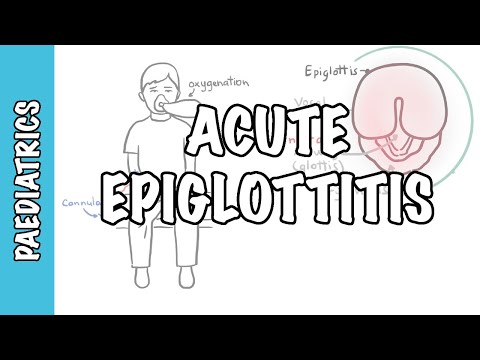
Epiglottitis may not be a term you hear every day, but understanding it is crucial for your health. Imagine a small flap of tissue at the back of your throat acting like a gatekeeper. This flap, called the epiglottis, helps ensure that air goes to your lungs while keeping food and liquids out. When this flap becomes inflamed, however, it can lead to serious problems.
In this article, we’ll explore what epiglottitis is, how to recognize its symptoms, and the processes involved in making an accurate diagnosis. With clarity on these aspects, you will be better equipped to identify potential issues early and seek appropriate care.
It’s essential to remember that information from multiple sources is key when learning about health conditions like epiglottitis. Consult various specialists and review reputable media to get a well-rounded understanding. Just as you wouldn’t rely on only one person for advice on a major decision in life, the same applies when it comes to your health. Stay curious and informed!
The information provided in this article is intended solely for general informational and educational purposes. It does not constitute medical advice, diagnosis or professional treatment, and should not be considered a substitute for consultation with a qualified doctor or other licensed healthcare professional. Any health-related decisions should be made in consultation with accredited medical professionals.
While efforts have been made to ensure the information is accurate and up to date, no guarantees are given—either express or implied—regarding its accuracy, completeness, currency or suitability. Use of this information is at your own discretion.
It is strongly recommended to consult official sources such as the NHS (National Health Service) or other recognised medical institutions before acting on any information contained on this website or article. Under no circumstances should professional medical advice be ignored or delayed due to content read here.
This content is of a general and informational nature only. It is not intended to replace individualised guidance from a healthcare professional or to establish any doctor-patient relationship. The publication of this information does not imply any professional responsibility, guarantee or obligation on the part of the author or this site.
Uncovering the Signs and Symptoms of a Life-Threatening Condition
Epiglottitis is a serious condition that affects the epiglottis, a small flap of tissue at the base of the tongue. Its main job is to prevent food and liquids from entering the windpipe during swallowing. When it becomes inflamed, it can lead to life-threatening situations.
Understanding the signs and symptoms of epiglottitis is crucial for timely treatment. Early detection can make a big difference in outcomes.
One common symptom is severe sore throat. This might be accompanied by difficulty swallowing or pain when trying to swallow. Think of it like having a really bad cold but focused mainly in your throat.
Another sign is difficulty breathing. This happens because swelling may block airways, making it hard for oxygen to reach the lungs. You might notice noisy breathing or a high-pitched sound known as stridor when inhaling.
Fever often accompanies these symptoms. The body reacts to infection with increased temperature, similar to how you feel warmer after exercising.
Other symptoms might include:
It’s important to seek immediate medical attention if you notice these signs, especially in children. They may not be able to express their discomfort effectively, so pay close attention to their behavior and physical cues.
Diagnosis usually involves a physical examination and possibly imaging studies like X-rays or CT scans. These help doctors see how much swelling has occurred.
While vaccines have reduced cases of epiglottitis caused by bacteria like Haemophilus influenzae type b (Hib), it can still occur due to other infections or even injuries.
Awareness is key here; knowing what signs to watch for can save lives. Take every symptom seriously and don’t hesitate to seek help when needed. It’s always better to be safe than sorry!
Unlocking the Essential Insights on Epiglottitis: Discover the Three Key Factors
Epiglottitis is a serious condition that involves inflammation of the epiglottis, a small flap in the throat that prevents food from entering the windpipe. Understanding this condition is important for timely intervention.
Three key factors can help you grasp the essentials of epiglottitis: symptoms, diagnosis, and prevention.
First, let’s talk about symptoms. Epiglottitis often starts with a sore throat and fever. Patients may also experience difficulty swallowing and breathing. Sometimes you might even hear a distinct sound when they breathe, called stridor. This is similar to whistling and indicates airway obstruction. Recognizing these signs early is crucial.
Next up is diagnosis. Healthcare providers typically use physical examinations and imaging tests to assess the condition of the throat and airways. A flexible laryngoscope may be used to visualize the epiglottis directly. It can be alarming to see swelling there; however, this helps determine treatment options.
Finally, we have prevention. Vaccination plays a significant role in reducing cases of epiglottitis caused by Haemophilus influenzae type b (Hib), particularly in children. Keeping up with vaccinations ensures better protection against this potentially life-threatening infection.
In summary:
Always prioritize your health by staying informed about conditions like epiglottitis. If you notice concerning symptoms in yourself or others, seeking medical attention promptly can be life-saving. Educating yourself is key!
Identifying the Warning Signs to Keep You Safe
Epiglottitis is a serious condition that can lead to trouble breathing. Understanding its warning signs is vital for everyone. Quick recognition can make a huge difference.
The epiglottis is a small flap of tissue that sits at the back of the throat. It helps keep food and liquids from entering the windpipe when swallowing. When this flap becomes inflamed, it can obstruct airflow, making breathing difficult.
Here are some warning signs to watch for:
Children are most susceptible, but adults can also get it. If you or someone else shows these symptoms, seeking medical help right away is important.
Diagnosis usually involves examining the throat and airway. In some cases, imaging tests may be necessary.
It’s essential not to ignore these signs. Ignoring symptoms could lead to serious complications, as swelling can rapidly worsen.
Staying informed about such conditions empowers you to act fast when needed. If in doubt about symptoms, consult with a healthcare provider without delay.
Remember, while the internet provides information, it should not replace professional evaluation and guidance in emergencies.
Epiglottitis is a serious condition that involves inflammation of the epiglottis, a small flap of cartilage located at the base of the tongue. This inflammation can lead to airway obstruction, making it crucial for individuals and caregivers to recognize symptoms early.
Understanding the symptoms is key for prompt diagnosis. Typical signs include a severe sore throat, difficulty swallowing, and hoarseness. In some cases, patients may also have fever and feel very anxious or restless due to breathing difficulties.
Diagnosis usually involves a physical exam and may include imaging studies like X-rays or a laryngoscopy. A healthcare provider often looks for swelling in the throat area to confirm epiglottitis.
It’s important to note that while this condition can be life-threatening, it’s relatively rare due to widespread vaccination against Haemophilus influenzae type b (Hib). Staying informed about such health conditions helps foster responsible health decisions and encourages prompt medical attention when needed.
Awareness of epiglottitis highlights how critical it is to listen to our bodies and seek help when something feels off. Early intervention can make all the difference in ensuring safety and recovery.