The information provided in this article is intended solely for general informational and educational purposes. It does not constitute medical advice, diagnosis or professional treatment, and should not be considered a substitute for consultation with a qualified doctor or other licensed healthcare professional. Any health-related decisions should be made in consultation with accredited medical professionals.
While efforts have been made to ensure the information is accurate and up to date, no guarantees are given—either express or implied—regarding its accuracy, completeness, currency or suitability. Use of this information is at your own discretion.
It is strongly recommended to consult official sources such as the NHS (National Health Service) or other recognised medical institutions before acting on any information contained on this website or article. Under no circumstances should professional medical advice be ignored or delayed due to content read here.
This content is of a general and informational nature only. It is not intended to replace individualised guidance from a healthcare professional or to establish any doctor-patient relationship. The publication of this information does not imply any professional responsibility, guarantee or obligation on the part of the author or this site.
What if there was a way to prevent pregnancy for up to three years without daily pills? The etonogestrel implant offers just that. It’s a small, flexible rod placed under the skin of your upper arm. This little device releases hormones steadily, keeping you protected from an unplanned pregnancy.
Understanding how the etonogestrel implant works, its uses, and its side effects can really empower you when making health choices. Many people are curious about this method of contraception, and for good reason. In the world of birth control options, this one stands out with ease of use and long-lasting effectiveness.
This article breaks down everything you need to know about the etonogestrel implant. We’ll cover its benefits, potential side effects, and what to expect if you decide to get one. It’s important to remember that this content doesn’t replace professional medical advice. Health decisions shouldn’t be based solely on articles like this—consulting a healthcare professional is always essential.
Let’s dive into the details together!
Exploring the Possible Impacts of the Etonogestrel Implant on Your Health
Understanding the Etonogestrel Implant
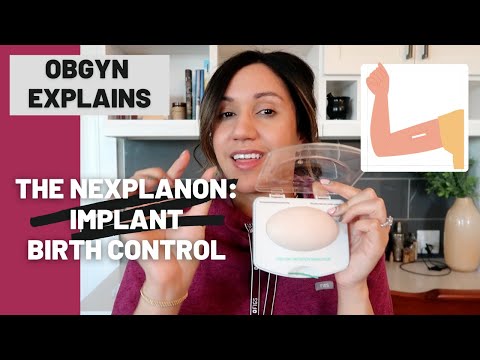
The etonogestrel implant is a small, flexible rod that gets inserted under the skin of your arm. It’s a form of birth control that releases hormones to prevent pregnancy. The main hormone it uses is progestin, which mimics natural progesterone in your body.
How It Works
So, here’s the deal: the etonogestrel implant stops ovulation. Ovulation is when an egg gets released from the ovaries. No egg means there’s nothing for sperm to fertilize. In addition, it thickens cervical mucus, making it harder for sperm to swim through and reach any eggs that might be released.
Uses of Etonogestrel
This implant is primarily used for birth control. But sometimes healthcare providers may suggest it for managing other conditions like heavy periods or certain hormonal imbalances.
Possible Benefits
- You don’t have to remember daily pills; it’s effective for up to three years.
- Many people find their periods become lighter or even stop altogether.
- It’s reversible; if you want to get pregnant, you can have it removed anytime.
Potential Side Effects
No medicine comes without possible side effects, right? Some common ones with etonogestrel implants include headaches, mood swings, and irregular bleeding patterns. Some people might experience weight gain as well.
The Reaction Variability
It’s important to note everybody’s body reacts differently. Some might have no issues at all while others could face significant side effects. If you’ve got concerns about how your body might respond—well, it’s worth talking about with someone who can give advice tailored just for you.
Long-Term Considerations
If you’re considering keeping the implant long-term or thinking about having kids later on, these are valid thoughts! The good news is once removed, fertility usually returns pretty quickly for most women. However, discussing plans with a healthcare provider can clarify these aspects better.
Misinformation and Myths
You may hear all sorts of things about birth control implants—like they’ll completely change your mood or make you gain tons of weight—but often those claims aren’t backed by solid evidence. Having open discussions with trusted sources helps cut through that noise.
Your Choice Matters
The decision to use an etonogestrel implant is personal and should fit into your lifestyle and health needs. Being informed allows you to choose what feels right for you without undue pressure from outside opinions.
A Final Note on Monitoring Your Health
If you’re using this implant or any form of hormonal contraceptive, keep track of how you’re feeling overall. Noticing changes? Don’t hesitate to reach out—you deserve support in what you’re experiencing!
Understanding the Emotional Rollercoaster of Nexplanon Use
Nexplanon is a small, flexible rod that’s placed under your skin, usually in your arm. It’s a form of birth control that releases a hormone called etonogestrel. But let’s talk about the emotional side of things, because it’s not just about preventing pregnancy.
Many people report mood changes when using Nexplanon. These can range from feeling irritable or anxious to experiencing periods of depression. So, why does this happen? Well, hormones play a big role in our emotions.
The Hormonal Influence
Think about how your body reacts during your menstrual cycle: one moment you might be cheerful, and the next you’re crying over a sad movie. That’s hormones at work! Similarly, with Nexplanon, introducing etonogestrel can mess with your natural hormone balance.
You know how sometimes people say they feel a bit off after starting birth control? It’s not uncommon to experience emotional instability as your body adjusts. For some folks, these changes are minor and fade quickly; for others, it may take longer.
What Emotional Changes Can Occur?
- Irritability: Little things might annoy you more than usual.
- Anxiety: You could feel more on edge without any clear reason.
- Depression: Some individuals report feelings of sadness or hopelessness.
- Mood Swings: Your moods may shift from happy to upset in no time.
Your Experience May Vary
This rollercoaster isn’t the same for everyone. Some users hardly notice any change in their emotions while others struggle significantly. It really depends on individual body chemistry and how sensitive one might be to hormonal shifts.
If you’re feeling overwhelmed emotionally after getting Nexplanon, it’s totally okay to talk about it—whether that’s with friends or health professionals. They can provide support or suggest alternatives if needed.
Persisting Issues?
If those feelings don’t go away after some time—let’s say three months—it might be worth considering other birth control methods. Communication is key here; expressing concerns is important for finding what’s best for you.
- Some alternatives include pills or IUDs that might suit you better emotionally.
- You could also try lifestyle changes like exercise or therapy to help manage emotional ups and downs.
A Final Thought
No one should have to ride this emotional rollercoaster alone. Each experience is unique and seeking support helps navigate what feels like chaos sometimes—even if it seems like others are sailing through smoothly!
Uncovering the Hidden Impacts of Long-Term Implant Use
Understanding Etonogestrel Implant
The etonogestrel implant is a small rod, about the size of a matchstick, inserted under the skin of your upper arm. It releases a hormone called progestin over time. This hormone helps prevent pregnancy by thickening cervical mucus and thinning the lining of the uterus.
People often choose this implant because it can last for up to three years. That means you don’t have to think about daily pills or other forms of contraception. Sounds convenient, right? However, it’s important to consider both its benefits and potential side effects.
Common Uses
- Birth control: It’s primarily used to prevent unplanned pregnancy.
- Treating heavy periods: Some women find it helps with heavy menstrual bleeding.
- Management of endometriosis: It can ease symptoms related to this painful condition.
Possible Side Effects
Like any medication, using an implant has its share of possible side effects. Some women might experience irregular bleeding or spotting, especially in the first few months. This is pretty common but can be frustrating at times.
Another possible effect includes headaches; these can range from mild to quite bothersome. Mood swings are also reported with hormonal treatments like this one—the hormones influence emotions in various ways.
Hidden Impacts Over Time
You know how certain things grow on you without you really noticing? That’s somewhat like long-term use of an implant—it might lead to hidden impacts that aren’t immediately obvious.
For instance, some users may experience weight gain over time. It’s not guaranteed for everyone, but it’s definitely something that has been noted in studies. The hormonal changes can impact metabolism and appetite in various ways—making careful monitoring beneficial.
Coping With Side Effects
- If you’re facing mood changes or weight gain, talk openly with a healthcare provider—they might offer solutions or alternatives.
- Keeps track of bleeding patterns; unusual changes should be discussed during check-ups.
- No matter what you experience, finding the right contraceptive method is personal—don’t hesitate to explore options!
Is It Right for You?
This is a crucial question. While many people have positive experiences with the etonogestrel implant, everyone’s body reacts differently. Some may love its convenience while others may not tolerate it as well due to side effects.
The key takeaway here? Know your own body and listen to what it’s telling you! Regular check-ins with healthcare professionals can help figure out if it’s still meeting your needs as time passes.
You’re not alone in this journey—many women share similar experiences and concerns regarding long-term contraceptive methods.
If you’re considering an etonogestrel implant or any contraceptive method, weigh your options carefully and ask questions until you feel comfortable making informed decisions tailored just for you!
Understanding the etonogestrel implant requires looking at its uses and possible side effects with a balanced perspective. This form of birth control is quite effective, usually offering protection for up to three years. It’s convenient since it doesn’t require daily attention, making it a popular choice among many women.
The implant works by releasing hormones that prevent ovulation, thins the uterine lining, and thickens cervical mucus. These actions help prevent pregnancy effectively—it’s like having a steady stream of contraceptive support without the need to remember a pill every day.
However, like any medication, there are potential side effects to consider. Some women may experience irregular periods, headaches, or mood changes. In some cases, it can lead to weight gain or breast tenderness. It’s essential for individuals to weigh these possibilities against the benefits.
Ultimately, while the etonogestrel implant can offer significant advantages in family planning, understanding both its effectiveness and side effects is crucial for making an informed choice. Open discussions with healthcare providers can help navigate personal health needs and preferences better.