The information provided in this article is intended solely for general informational and educational purposes. It does not constitute medical advice, diagnosis or professional treatment, and should not be considered a substitute for consultation with a qualified doctor or other licensed healthcare professional. Any health-related decisions should be made in consultation with accredited medical professionals.
While efforts have been made to ensure the information is accurate and up to date, no guarantees are given—either express or implied—regarding its accuracy, completeness, currency or suitability. Use of this information is at your own discretion.
It is strongly recommended to consult official sources such as the NHS (National Health Service) or other recognised medical institutions before acting on any information contained on this website or article. Under no circumstances should professional medical advice be ignored or delayed due to content read here.
This content is of a general and informational nature only. It is not intended to replace individualised guidance from a healthcare professional or to establish any doctor-patient relationship. The publication of this information does not imply any professional responsibility, guarantee or obligation on the part of the author or this site.
Have you ever been told not to eat before surgery and wondered why? It’s a common practice, but the reasons behind it are crucial for your safety. Imagine you’re preparing for a procedure, and the last thing on your mind is what you can or can’t eat. But fasting isn’t just an annoying rule; it’s deeply tied to how your body reacts during surgery.
This article will walk you through the concept of fasting before surgical procedures. You’ll learn why it matters so much and how it can impact both the operation itself and your recovery afterward. Understanding this might help ease some of that pre-surgery anxiety.
We’ll break down the science in simple terms and offer practical insights that make sense. Look, it’s all about keeping you safe and optimizing your health outcomes. Just remember: while this information is here to inform you, it doesn’t replace professional medical advice. Always consult a healthcare professional for decisions relating to your health.
Unlocking the Key to a Smoother Surgical Journey
Understanding Fasting Before Surgery: Why It Matters
Hey, if you’re gearing up for surgery, odds are you’ve heard about fasting beforehand. It’s one of those things that can sound a bit strange at first. But fasting before a surgery actually plays a big role in helping the procedure go more smoothly.
What’s Fasting All About?
Fasting means not eating or drinking for a certain period of time before your surgery. Typically, this can range from 6 to 12 hours. You might think, “Why would I want to skip meals?” Well, it’s not just about hunger; it’s about safety.
The Reason Behind It
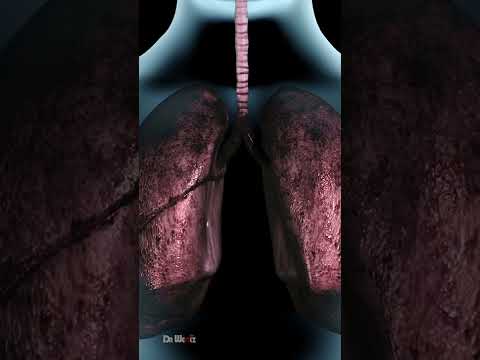
The main goal here is to reduce the risk of aspiration. That’s when food or liquid enters the lungs instead of going down into the stomach during anesthesia, which is the medication used to put you to sleep for the procedure. If that happens, it can lead to serious lung problems.
Okay, so imagine trying to drink water while lying back in a recliner—it doesn’t work very well! Your body needs to be ready for what’s coming.
What Happens If You Don’t Fast?
If you eat or drink too close to your surgery time, it could delay your operation or even cancel it altogether. That sounds stressful, right? Nobody wants to go through all that prep just to be sent home.
Sipping on Clear Fluids
You might have heard about clear liquids being sometimes okay until a few hours before surgery. Clear fluids like water or broth aren’t really considered food and help keep you hydrated without risking aspiration as much.
Individual Instructions Matter
The exact fasting guidelines can change depending on what type of surgery you’re having. So always follow your surgeon’s specific instructions—they know best what will keep you safe and sound!
A Little Preparation goes a Long Way
Your surgical team usually provides detailed advice ahead of time. Make sure you’ve got everything sorted out well in advance: when to stop eating and what kinds of drinks are allowed. Planning helps ease any anxiety!
A Word on Special Cases
If you have any medical conditions like diabetes or take regular medications, be open with your healthcare provider about them. Sometimes adjustments are needed so that fasting doesn’t impact your health too negatively.
Wrapping Up Your Thoughts
The idea behind fasting is pretty straightforward: create a safer environment for surgery so everything goes as planned. The more prepared you are—your body included—the smoother the journey will likely be.
If questions pop up along the way? Don’t hesitate—reach out! Your surgical team is there for support and guidance every step of the way.
Unlocking the Secrets to Safe Anesthesia Practices
Understanding Fasting Before Surgery: Why It Matters
Hey there! So, let’s chat about fasting before surgery. You might wonder why it’s such a big deal in the world of anesthesia. It’s all about safety. When you go under, anesthesia affects your body in various ways. One key aspect is making sure your stomach is empty.
What Happens During Anesthesia?
Anesthesia can make you lose consciousness or numb a part of your body. It’s like hitting the pause button on awareness and sensation. Now, if you’ve eaten too recently, things can get tricky. Your stomach might still have food or liquid in it.
The Risk of Aspiration
Aspiration is when something you swallow goes down the wrong pipe and into your lungs instead of your stomach. This can happen if you’re under anesthesia, especially if there’s still food in your stomach. Imagine trying to maintain control at a party while someone starts throwing confetti everywhere—it gets messy!
How Long Should You Fast?
The general guidelines suggest fasting for at least 6 to 8 hours before surgery. But it can depend on what type of food you’ve had! Clear liquids might be okay up to 2 hours prior to the procedure.
- If you had a light meal—think toast or fruit—8 hours is usually recommended.
- If it was something heavier—like steak or pasta—you may need longer.
Why Do We Wait?
This waiting period minimizes risks during surgery and helps the medical team focus on what they do best without unexpected hiccups, right? Plus, it gives them peace of mind knowing you’re prepped for a smooth procedure.
Listening to Your Medical Team
Your medical team will provide specific instructions tailored just for you—you know better than anybody that no two surgeries are identical! Make sure to follow their advice closely.
The Bottom Line
Fasting may seem inconvenient at times, but it’s really an important safety measure before undergoing anesthesia. Think of it as prepping your scratchpad before you start drawing—that clean slate makes everything easier later on!
Understanding the Key Role of Fasting in Ensuring Safe Surgical Outcomes
Understanding Fasting Before Surgery: Why It Matters
Alright, let’s talk about fasting before surgery. You might wonder why it’s so important, right? Well, fasting is like preparing your body for a big event. Just as you wouldn’t want to run a marathon right after eating a massive meal, your body preps itself for surgery when you fast.
What is Fasting?
Fasting means not eating or drinking anything for a certain period of time. For most surgeries, hospitals ask patients to stop eating solid food and often drinking clear liquids for about 6-8 hours beforehand. This really helps keep things safe during the procedure.
Why Fasting is Necessary
The main reason for fasting is to reduce the risk of aspiration. Aspiration happens when food or liquid from your stomach gets into your lungs while you’re under anesthesia. That could lead to serious complications, like pneumonia.
The Role of Anesthesia
Anesthesia is what keeps you comfortable and pain-free during surgery. But it also makes your body’s reflexes softer and less responsive. So, if there’s anything in your stomach, it can pose risks because you won’t be able to cough or protect your airway like you usually would.
Real-life Example
Imagine this: if you were trying to fix something inside your car while it’s running with the hood closed and the engine still hot—chances are it’d be risky! Like that car analogy, fasting ensures that everything’s cool under the hood when doctors start their work.
Individual Factors Matter
Please keep in mind that everyone’s situation is a bit different! Certain factors might affect how long someone needs to fast before surgery. It could depend on personal medical history or specific types of procedures being done. Always listen to healthcare providers when they give instructions about fasting.
The Impact on Recovery
You might think that skipping meals leads to more discomfort later on but actually, following these guidelines can aid in smoother recovery post-surgery as well. When there’s nothing left in your stomach during the operation; things typically go more smoothly overall.
The Bottom Line
So remember: fasting before surgery isn’t just an arbitrary rule; it’s rooted in safety! By taking these precautions seriously, you’re helping ensure better outcomes for yourself at an already stressful time.
- If you’re set for surgery soon and have questions about fasting arrangements—don’t hesitate to ask!
- Your healthcare team will always have your back!
- Treat this like gearing up for an important event; preparation matters!
Professional Reflection on “Understanding Fasting Before Surgery: Why It Matters”
Fasting before surgery is a crucial topic that deserves attention. It’s not just a formality but serves important medical purposes. The main reason? Reducing the risk of complications during procedures.
When patients eat or drink too close to their surgery time, it can lead to problems. For instance, if someone has food in their stomach while under anesthesia, it could cause aspiration. This means food could enter the lungs, leading to serious issues like pneumonia.
The standard fasting guidelines often suggest no solid food for at least 6 to 8 hours prior and stopping clear liquids about 2 hours before surgery. This might sound strict, but it’s about safety.
Another interesting aspect is how individual variances affect fasting requirements. Factors like age, weight, and health conditions can influence how long someone should fast. That’s why communication between healthcare providers and patients is so essential.
Moreover, when patients understand the reasons behind fasting guidelines, they are more likely to adhere to them. They might feel less anxious knowing that this precaution significantly reduces potential risks during their surgery.
Adapting these guidelines based on ongoing research can help refine practices over time. It’s not a one-size-fits-all approach; continuous evaluation is key in ensuring patient wellbeing.
Ultimately, understanding the importance of fasting before surgery helps pave the way for safer surgical experiences and better overall outcomes for patients.