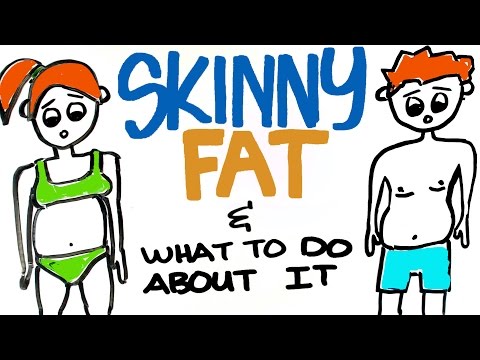
Have you ever heard the term “skinny fat”? It sounds a bit puzzling, doesn’t it? The term refers to individuals who appear slim on the outside but may have a higher body fat percentage and lower muscle mass than is healthy. This unique body composition can lead to various health issues, often unnoticed by both the individual and even their healthcare providers.
Understanding this concept is essential because it’s not just about weight; it’s about overall health. Just because someone looks thin doesn’t mean they are healthy inside. This brings us to why it matters: people who are “skinny fat” might be at risk for conditions like diabetes, heart disease, or metabolic syndrome without realizing it.
However, it’s crucial to approach this topic with care. While knowledge is power, misinformation can lead to unnecessary fear or misguided actions. Always consult with various specialists and seek information from trusted sources to get a well-rounded understanding of your health. It’s essential to equip yourself with accurate knowledge that encourages informed choices without falling into alarmist traps. Stay curious, ask questions, and take control of your health journey!
The information provided in this article is intended solely for general informational and educational purposes. It does not constitute medical advice, diagnosis or professional treatment, and should not be considered a substitute for consultation with a qualified doctor or other licensed healthcare professional. Any health-related decisions should be made in consultation with accredited medical professionals.
While efforts have been made to ensure the information is accurate and up to date, no guarantees are given—either express or implied—regarding its accuracy, completeness, currency or suitability. Use of this information is at your own discretion.
It is strongly recommended to consult official sources such as the NHS (National Health Service) or other recognised medical institutions before acting on any information contained on this website or article. Under no circumstances should professional medical advice be ignored or delayed due to content read here.
This content is of a general and informational nature only. It is not intended to replace individualised guidance from a healthcare professional or to establish any doctor-patient relationship. The publication of this information does not imply any professional responsibility, guarantee or obligation on the part of the author or this site.
Understanding the Hidden Health Risks Behind a Common Body Type
Many people have heard of the term “skinny fat,” but few truly understand what it means. It describes individuals who appear thin or average in weight but have a higher body fat percentage, particularly around the abdomen. This situation can create hidden health risks.
The concept can be compared to a seemingly healthy-looking fruit that is actually rotten inside. Just as outward appearances can be misleading, so can body types when it comes to health.
Here are some key points about skinny fat:
Many might assume that if they look thin, they are healthy. However, this isn’t always true. Thin people can still have high cholesterol or insulin resistance.
Regular exercise plays a crucial role in combating these risks. Strength training helps build muscle, which can improve overall metabolism and health markers.
Diet also plays a huge role. Consuming nutrient-dense foods rich in proteins, healthy fats, and whole grains supports better body composition and overall well-being.
It’s important to focus on quality rather than just quantity. Eating nutritious foods is essential for anyone looking to improve their health.
Routine check-ups with healthcare providers are vital tools for monitoring any hidden risks associated with being skinny fat. Blood tests can give insights into cholesterol levels or blood sugar that may not be visible from physical appearance alone.
In summary, understanding the “skinny fat” phenomenon brings attention to an often-overlooked aspect of health. It emphasizes that both appearance and weight don’t always reflect internal well-being.
Staying informed allows us to make better choices and take proactive steps towards our health goals!
Uncovering the Hidden Factors Behind Your Healthy Eating Struggles
Eating healthy can feel like a complex puzzle. Many people struggle with it, even if they seem to be thin. This brings us to the term “skinny fat,” which describes someone who appears slim but has a higher percentage of body fat and less muscle mass. It’s important to understand the hidden factors that contribute to these eating challenges.
Often, emotional factors play a big role in our eating habits. Stress, anxiety, and boredom can lead us to make poor food choices. These emotions can prompt us to seek comfort in high-calorie foods rather than focusing on nutrition.
Environmental influences also matter. The places we live, work, and socialize can shape our food choices. Being surrounded by fast food or having easy access to junk food can make it hard to opt for healthier options.
Societal pressures further complicate things. There are constant messages about what we “should” look like or eat. This creates confusion about what healthy really is and may lead some people to adopt restrictive diets that aren’t sustainable.
Knowledge gaps are another factor. Many people lack basic understanding of nutrition principles. For instance, counting calories isn’t always effective if you’re not looking at the quality of calories you consume.
It’s essential to focus on holistic health rather than just appearance or weight. Building muscle through strength training can help combat the skinny fat issue while also improving overall health.
Remember that making gradual changes tends to be more effective than drastic ones. Start small by adding more fruits and veggies into your meals or swapping out sugary drinks for water.
As you reflect on your own eating habits, consider these factors: emotional states, your surroundings, societal pressures, and knowledge gaps about nutrition. Understanding these aspects could lead you toward healthier eating patterns over time.
By approaching healthy eating through a broader lens, you’ll not only improve your body composition but also foster lasting changes that feel fulfilling and right for you.
Transform your body and boost your confidence with practical strategies for a healthier you.
Understanding the concept of being “skinny fat” is important for achieving a healthier body and boosting your confidence. It refers to having a normal weight, but a higher percentage of body fat and lower muscle mass. This can happen even if someone looks slim on the outside.
Often, people with this body type may feel insecure about their appearance. But there are practical strategies to transform your body and improve your self-image.
First, let’s talk about nutrition. Eating a balanced diet rich in whole foods can make a big difference. Focus on:
Avoid highly processed foods that are often high in sugars and unhealthy fats. These can contribute to excess body fat without providing necessary nutrients.
Next up is exercise. Strength training plays a key role in changing your body composition. It helps build muscle which will increase your metabolism over time. Aim for:
Additionally, listen to your body when it needs rest. Recovery is crucial in any exercise routine.
On the personal development side, embracing positive thinking can also boost confidence. Celebrate small victories in your health journey rather than focusing solely on the end goals. This mindset shift helps create lasting change.
It’s also important to develop healthy habits gradually rather than trying drastic changes all at once. Make small adjustments that fit into your daily life; they often lead to better long-term results.
Finally, remember that everyone’s journey is unique; what works for one person might not work for another. Be patient with yourself as you make these changes.
In summary, transforming your body is possible through simple strategies focused on nutrition and exercise while fostering positive self-talk. Being aware of concepts like “skinny fat” empowers you to take control over your health journey confidently.
Understanding the concept of “skinny fat” is vital for promoting overall health and wellness. This term describes individuals who may appear slim or average in weight but have a high body fat percentage, often accompanied by low muscle mass. It’s crucial to recognize that appearance alone does not equate to health.
Why it matters: Many people focus solely on their weight, believing that being thin automatically means being healthy. This belief can lead to dangerous assumptions about one’s body composition and metabolic health.
Key points to consider:
By spreading awareness about skinny fat, we encourage individuals to look beyond the scale and adopt healthier lifestyle choices tailored to their unique bodies. Emphasizing strength training and nutritious eating habits can help improve both physical appearance and overall well-being.