
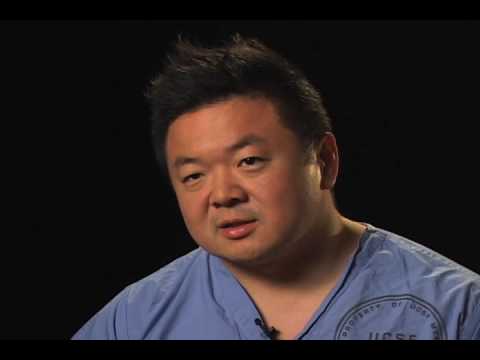
Understanding gastroschisis can seem overwhelming at first, but let’s break it down together. This condition occurs when a baby is born with an opening in the abdominal wall, allowing some of their intestines to stick out. Imagine a small balloon that gets a tear; the air inside may escape, but the balloon itself is still functional. Similarly, while gastroschisis presents challenges, with the right care, many babies can thrive.
It’s natural to feel concerned or curious when hearing about such conditions. The more you know, the better equipped you are to understand and support those affected by it. Whether you’re expecting yourself or know someone who is, diving into reliable information is essential.
However, take care! Understanding gastroschisis involves examining various medical perspectives and experiences. Always seek information from qualified specialists and reputable sources. Misinformation can lead to unnecessary fears or misconceptions about this condition. Being informed empowers you to make educated decisions—let curiosity guide your journey toward knowledge!
The information provided in this article is intended solely for general informational and educational purposes. It does not constitute medical advice, diagnosis or professional treatment, and should not be considered a substitute for consultation with a qualified doctor or other licensed healthcare professional. Any health-related decisions should be made in consultation with accredited medical professionals.
While efforts have been made to ensure the information is accurate and up to date, no guarantees are given—either express or implied—regarding its accuracy, completeness, currency or suitability. Use of this information is at your own discretion.
It is strongly recommended to consult official sources such as the NHS (National Health Service) or other recognised medical institutions before acting on any information contained on this website or article. Under no circumstances should professional medical advice be ignored or delayed due to content read here.
This content is of a general and informational nature only. It is not intended to replace individualised guidance from a healthcare professional or to establish any doctor-patient relationship. The publication of this information does not imply any professional responsibility, guarantee or obligation on the part of the author or this site.
Exploring the Factors Behind This Complex Birth Defect
Gastroschisis is a birth defect that affects the abdominal wall. It occurs when an opening forms, allowing the intestines to protrude outside of the body. This condition is usually detected during pregnancy through ultrasound.
The exact cause of gastroschisis remains unclear. However, several factors may contribute to its development. Genetic factors play a potential role; there might be a hereditary element in some cases.
Additionally, environmental influences are being studied. Exposure to certain substances, like tobacco or drugs, during pregnancy has been linked to an increased risk. Women who smoke or use specific medications may have a higher chance of having a baby with this condition.
Age can also be significant. Research shows that younger mothers—especially those under 20—are more likely to have babies with gastroschisis. This might be related to various health factors that could impact fetal development.
Nutrition plays an important part too. Poor nutrition before and during pregnancy has been suggested as a possible risk factor. Ensuring adequate intake of vitamins and minerals is crucial for fetal health.
Interestingly, gastroschisis happens more often on the right side of the abdomen, which adds another layer of complexity for scientists trying to understand it fully.
It’s vital to approach this topic with compassion and understanding. Each case is unique, and ongoing research aims to uncover more about its causes and prevention strategies.
While knowing these factors can be helpful, they don’t guarantee any specific outcome for pregnancies at risk for gastroschisis. Always consult healthcare professionals when seeking guidance on prenatal health or concerns regarding birth defects.
Exploring Innovative Approaches to Repairing Gastroschisis
Gastroschisis is a condition where a baby is born with the intestines outside the body. It happens when the abdominal wall doesn’t close properly during pregnancy. This can lead to several challenges but also opens up opportunities for innovative treatments.
Traditionally, surgery is used to repair gastroschisis. Surgeons usually place the intestines back into the abdomen and close the opening shortly after birth. However, new methods are being explored to improve this process.
One promising approach is using silos. A silo is a type of pouch that holds the exposed intestines. It allows them to gradually return to the abdomen over time instead of doing it all at once. This can reduce pressure and improve outcomes.
Another technique involves mesenchymal stem cells. These are special cells that may help in healing tissues more effectively. Research suggests they might play a role in improving intestinal function after repair.
has also entered the scene. Researchers are creating models of patients’ organs before surgery. This helps surgeons plan their approach more precisely.
An exciting avenue involves fetal interventions. Some studies have looked at repairing gastroschisis while still in the womb. The idea is that earlier intervention might lead to better results after birth.
While these innovative methods shine light on potential progress, it’s crucial to remember there’s no one-size-fits-all solution. Each case of gastroschisis can be different and requires tailored care strategies.
Research continues to evolve, and ongoing studies will help clarify which methods provide the best outcomes for patients with this condition. Always consult healthcare professionals for accurate information and personalized guidance regarding any medical situation.
A Visual Guide to Understanding Gastroschisis: What You Need to Know
Gastroschisis is a condition present at birth that affects the baby’s abdomen. It occurs when the abdominal wall does not fully develop, causing organs to protrude outside the body.
Imagine your favorite toy’s inner parts spilling out because its casing broke. That’s a little like what happens with gastroschisis, but it’s organs instead of toy pieces.
This condition is typically diagnosed during pregnancy through ultrasound. If spotted early, parents can receive information and plan for care once the baby is born.
Key facts about gastroschisis:
After birth, immediate medical attention is necessary. The exposed organs need protection and usually require surgery to place them back inside the abdomen.
Recovery after surgery can vary greatly among infants. Some might need extra time in the hospital for monitoring and care.
Common concerns for parents include:
It’s important for parents to understand that each case of gastroschisis can be different. Some children do very well with treatment while others might face challenges later on.
Support networks exist for families facing this diagnosis, offering connection and advice from those with similar experiences. Knowledge about this condition helps families prepare emotionally and practically.
In summary: Gastroschisis involves some complex scenarios but understanding it deeply empowers families to navigate challenges ahead. Stay informed, ask questions, and lean on support systems when needed.
Gastroschisis is a congenital condition where a baby is born with their intestines outside the body, typically through a small opening beside the belly button. Understanding this condition is crucial for better outcomes.
In gastroschisis, the abdominal wall does not form properly during early development. This results in exposed intestines, which can be vulnerable to infection and damage. The exact cause is still not fully understood, but factors such as young maternal age and certain environmental influences may play a role.
Management of gastroschisis involves immediate medical attention. Typically, healthcare teams will cover the exposed organs with a sterile plastic wrap to protect them until surgery can be performed. Surgical intervention aims to place the intestines back into the abdomen and close the defect.
Prognosis for children with gastroschisis has dramatically improved over recent years due to advances in neonatology and surgical techniques. However, these infants may face challenges like feeding difficulties or bowel obstructions later on.
It’s essential for parents to receive comprehensive education about gastroschisis—both before and after birth. Support networks and resources can help them navigate this complex journey while ensuring their child receives the best possible care.
Understanding gastroschisis not only fosters empathy for affected families but also highlights the importance of early diagnosis and continuous research into optimizing treatments and outcomes.

