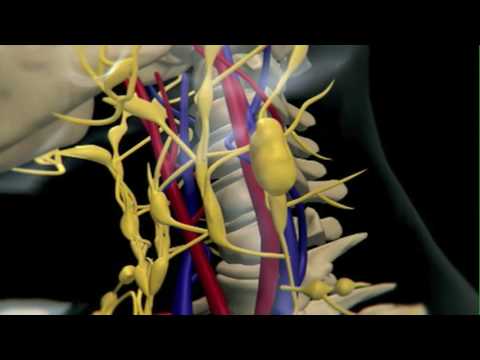
Neuroblastoma is a rare but significant childhood cancer that primarily affects infants and young children. It originates from immature nerve cells in the sympathetic nervous system, which plays a vital role in our body’s response to stress and helps regulate many functions like heart rate and blood pressure. Understanding neuroblastoma can feel like unraveling a complex puzzle, where each piece represents different aspects of this condition—its causes, symptoms, treatments, and emotional toll.
Imagine your body as a beautifully orchestrated symphony. Each section works together harmoniously to create music. Neuroblastoma disrupts that harmony by introducing rogue instruments that play out of tune. The result? A critical shift not just in physical health but also for families navigating this diagnosis.
While it may be easy to feel overwhelmed by medical information online or through conversations with family and friends, it is essential to approach neuroblastoma with curiosity and caution. There’s a wealth of resources available, ranging from specialized medical professionals to reputable online platforms.
However, always seek guidance from multiple specialists when seeking answers about neuroblastoma or any health condition. This ensures a well-rounded understanding and helps dispel myths that can lead to confusion or fear. Equip yourself with knowledge—ask questions and explore various perspectives—to make informed decisions for yourself or loved ones facing this challenge.
The information provided in this article is intended solely for general informational and educational purposes. It does not constitute medical advice, diagnosis or professional treatment, and should not be considered a substitute for consultation with a qualified doctor or other licensed healthcare professional. Any health-related decisions should be made in consultation with accredited medical professionals.
While efforts have been made to ensure the information is accurate and up to date, no guarantees are given—either express or implied—regarding its accuracy, completeness, currency or suitability. Use of this information is at your own discretion.
It is strongly recommended to consult official sources such as the NHS (National Health Service) or other recognised medical institutions before acting on any information contained on this website or article. Under no circumstances should professional medical advice be ignored or delayed due to content read here.
This content is of a general and informational nature only. It is not intended to replace individualised guidance from a healthcare professional or to establish any doctor-patient relationship. The publication of this information does not imply any professional responsibility, guarantee or obligation on the part of the author or this site.
Understanding the Essentials of Neuroblastoma: A Journey Through Its Basics and Impact
Neuroblastoma is a type of cancer that primarily affects children. It arises from immature nerve cells, called neuroblasts, that usually develop into the sympathetic nervous system.
This can lead to tumors in various parts of the body, most commonly in the adrenal glands, near the spine, or in the chest and abdomen.
Understanding neuroblastoma starts with its origins. This condition typically occurs in children under five years old. However, it can also be diagnosed at older ages.
The exact cause of neuroblastoma isn’t known. But scientists believe it may arise from genetic mutations during development.
Many cases are linked to certain inherited conditions, but most occur sporadically without a family history.
Symptoms can vary widely depending on where the tumor is located.
Some children may even have bone pain if cancer spreads to bones.
Diagnosis involves several steps. Initial evaluation includes a physical exam and imaging tests like ultrasounds or MRIs. A biopsy may also be needed to confirm cancer presence.
Once diagnosed, treatment options will depend on factors such as age and extent of disease. Possible treatments include:
Newer approaches like immunotherapy aim to boost the body’s immune response against cancer cells.
Despite significant advancements, neuroblastoma can be challenging to treat due to its ability to spread rapidly and unpredictably.
Outcomes vary greatly among patients. Some children have high survival rates with early detection and treatment while others face more aggressive forms of this cancer.
It’s important for families dealing with neuroblastoma to seek comprehensive care from a team trained in childhood cancers.
Support systems play an integral role for both patients and their families during this journey. Connecting with others facing similar challenges can provide hope and insights.
In summary, understanding neuroblastoma helps dispel myths and fosters informed decisions regarding care options. Staying informed aids families as they navigate this difficult journey together.
Hope and Possibilities in the Face of a Challenging Diagnosis
Facing a diagnosis like neuroblastoma can be incredibly tough. It brings a whirlwind of questions, emotions, and uncertainties. However, hope and possibilities can still shine through this darkness.
Neuroblastoma is a type of cancer that primarily affects young children. It develops in immature nerve cells, often in the adrenal glands or along the spine. Understanding this condition is key to navigating it.
With any cancer diagnosis, finding the right support system is crucial. Family, friends, and support groups can provide strength during difficult times. Sharing feelings and experiences helps lighten the emotional load.
Treatment for neuroblastoma often includes surgery, chemotherapy, and radiation therapy. Each child’s journey is unique, so treatments may vary widely based on individual factors. Staying informed about options encourages active participation in care decisions.
Hope also lies in research advances. Scientists are continuously exploring new therapies and strategies to combat neuroblastoma more effectively. Clinical trials may offer access to cutting-edge treatments that aren’t widely available yet.
It’s essential to remember that many children respond well to treatment. Many families navigate this path with resilience, finding joy amidst challenges. Celebrating small victories can foster a sense of normalcy.
Educating yourself about neuroblastoma empowers you to ask questions and make informed choices with healthcare providers. There’s strength in knowledge; it helps demystify complex medical processes.
Practicing self-care during this journey is important too. Parents and caregivers should take time for themselves to recharge their emotional batteries. This not only benefits them but also enhances their ability to support their child.
Myths about cancer abound; debunking them leads to clearer understanding and better mental health management. For instance, not all types of cancers behave the same way—each case has its own unique profile.
Lastly, there will be tough days ahead; sadness or fear are natural emotions during such trying times. Acknowledging these feelings is okay but try not to lose sight of the possibilities ahead.
In summary, while a diagnosis like neuroblastoma presents challenges, it also opens doors for hope through advancements in medicine and community support. Embracing every aspect of this journey equips families with the strength they need as they navigate further into uncharted waters together.
Understanding the Onset of Neuroblastoma in Children
Neuroblastoma is a type of cancer that primarily affects young children, usually under the age of 5. It arises from neuroblasts, which are immature nerve cells found in the developing embryo. Most commonly, it starts in the adrenal glands, but it can develop anywhere along the sympathetic nervous system.
The exact cause of neuroblastoma isn’t fully understood. However, researchers believe it may stem from genetic mutations. These mutations can occur randomly and don’t always run in families. Think of it like a lottery; sometimes, a child just gets dealt an unlucky hand.
Symptoms of neuroblastoma can vary widely. Common signs include abdominal pain or swelling, unexplained bruising, and changes in behavior or appetite. Sometimes parents notice lumps under the skin or unusual eye movements, such as drooping eyelids or eyes that seem to bulge.
If a child shows concerning symptoms, doctors may conduct several tests. These could include blood tests to check for specific markers and imaging studies like ultrasounds or MRIs to visualize any tumors. Early detection is key but can be challenging since symptoms often mimic those of less serious conditions.
Neuroblastoma tends to grow quickly and can spread to other parts of the body—like bones or lymph nodes—making early diagnosis important for treatment options. Treatment typically involves surgery, chemotherapy, radiation therapy or immunotherapy depending on how advanced the cancer is.
It’s also important to note that not all cases are alike; some tumors might shrink without treatment while others require more aggressive care strategies. This variation underscores why understanding each child’s unique situation is crucial.
Potential risks associated with neuroblastoma include its ability to spread and complex treatment regimens that might affect quality of life. Ongoing research aims at improving understanding and treatment options—offering hope for better outcomes in future cases.
Being informed about neuroblastoma empowers parents to engage actively with healthcare providers about their child’s health journey. Asking questions and seeking clarity on symptoms is not just okay; it’s encouraged!
In summary:
Staying informed about conditions like neuroblastoma helps families navigate challenges with knowledge and support while fostering an environment for healing and hope.
Understanding neuroblastoma is crucial because it highlights the complexities of childhood cancer. Neuroblastoma is one of the most common types of cancer in infants and young children, originating from nerve cells called neuroblasts. These cells are part of the sympathetic nervous system, which controls involuntary functions like heartbeat and digestion.
One key aspect to understand is its unpredictability. Neuroblastoma can behave very differently depending on factors like the child’s age and where the tumor develops. Some cases may resolve on their own, while others can be aggressive and require immediate treatment.
Diagnosis often involves a combination of methods. Doctors may use imaging tests, blood tests, and sometimes biopsies to confirm neuroblastoma. This multi-faceted approach helps ensure accurate diagnosis and appropriate treatment planning.
Treatment options vary widely. They can range from active monitoring—especially for low-risk cases—to surgery, chemotherapy, radiation therapy, or immunotherapy for more aggressive forms. The choice hinges on specific tumor characteristics and patient needs.
Lastly, support for families is essential. A diagnosis not only affects the child but also impacts family dynamics emotionally and financially. Support groups and counseling can help families navigate this challenging journey.
In conclusion, understanding neuroblastoma fosters awareness that aids in early detection and treatment decisions. By breaking down complex concepts into relatable information, we empower families with knowledge to make informed healthcare choices.