The information provided in this article is intended solely for general informational and educational purposes. It does not constitute medical advice, diagnosis or professional treatment, and should not be considered a substitute for consultation with a qualified doctor or other licensed healthcare professional. Any health-related decisions should be made in consultation with accredited medical professionals.
While efforts have been made to ensure the information is accurate and up to date, no guarantees are given—either express or implied—regarding its accuracy, completeness, currency or suitability. Use of this information is at your own discretion.
It is strongly recommended to consult official sources such as the NHS (National Health Service) or other recognised medical institutions before acting on any information contained on this website or article. Under no circumstances should professional medical advice be ignored or delayed due to content read here.
This content is of a general and informational nature only. It is not intended to replace individualised guidance from a healthcare professional or to establish any doctor-patient relationship. The publication of this information does not imply any professional responsibility, guarantee or obligation on the part of the author or this site.
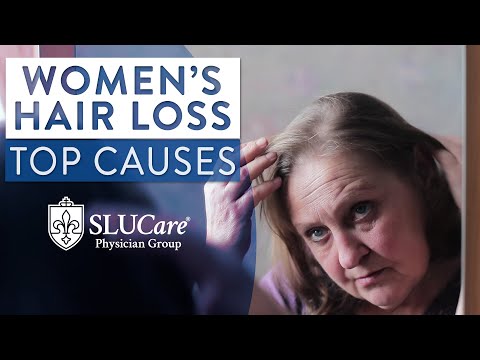
Have you ever noticed more hair on your brush than usual? It’s a common experience for many women, and it can feel incredibly distressing. Hair loss in women isn’t just about losing strands; it can affect self-esteem and confidence too. The truth is, hair loss is more common than people think.
In this article, we’re going to dive into understanding what leads to hair loss in women. We’ll look at various causes, from hormonal changes to certain medical conditions. Knowledge is power, right? And understanding the “why” can help ease that worry.
We’ll also explore effective treatments available today—options that range from lifestyle changes to advanced therapies. There’s no one-size-fits-all solution, but having different avenues to consider can be reassuring.
It’s essential to remember that while this information provides valuable insights, it doesn’t replace professional medical advice. Always consult a healthcare professional when making decisions about your health; they know you best.
Sometimes just feeling informed can make a big difference. Let’s take a closer look together!
Unraveling the Mystery Behind Female Hair Loss and Its Hormonal Triggers
Understanding Female Hair Loss
Hair loss can be a tough experience for many women. It’s not just about how hair looks; it often affects self-esteem too. You might notice thinning strands, patches, or gradual receding of your hairline. What’s behind these changes? Let’s take a closer look.
Common Causes
There are many reasons why women lose hair. Genetics plays a big role—if family members had similar issues, you may be predisposed to it as well. Another significant factor is hormonal changes.
- Hormonal Fluctuations: Things like pregnancy, menopause, and even menstrual cycles can cause your hormone levels to shift. This fluctuation can impact your hair growth cycle.
- Alopecia Areata: This is an autoimmune condition where your body’s immune system mistakenly attacks hair follicles, leading to sudden hair loss in small patches.
- Nutritional Deficiencies: A lack of essential nutrients—like iron or protein—can weaken your hair structure and lead to shedding.
- Stress: Believe it or not, emotional and physical stress can trigger temporary hair loss. Your body responds by pushing hairs into the shedding phase faster than normal.
The Role of Hormones
You might wonder how hormones affect all this. Well, hormones like estrogen and progesterone usually protect against hair loss. When they drop (like during menopause), the balance shifts towards androgens (male hormones), leading to thinning.
This condition is known as androgenetic alopecia—it’s quite common among women but often goes unnoticed until it’s more advanced. It’s like if someone turns down the volume on your favorite song; you might not notice it right away, but eventually it’s hard to ignore!
Treatments Available
If you’re dealing with hair loss, several options may help manage the situation. Treatment really depends on the underlying cause and could include:
- Meditations: Products like minoxidil can stimulate growth for some people.
- Nutritional Changes: Eating a balanced diet rich in vitamins may support healthier locks.
- Counseling or Stress Management Techniques: If stress is playing a role in your situation, learning coping mechanisms could be beneficial.
A Word on Myths
The conversation around female hair loss is filled with myths that can make things confusing! For instance, some think that only aging leads to thinning locks when actually younger women face similar issues due to factors like genes or health conditions.
The best path forward is understanding what’s happening in your body and exploring possible options with trusted sources. Sometimes getting educated about the different layers of this issue helps demystify it!
The Bottom Line
If you’re worried about hair loss or its causes related to hormonal changes, consider discussing this with someone knowledgeable who can provide personalized advice tailored to your needs! Remember: You’re not alone in this journey; many women face similar challenges at different stages of life.
Uncover the Hidden Connection Between Nutrients and Your Locks
Understanding Hair Loss in Women
Hair loss can be tough for many women. It often creates frustration and self-doubt. But hey, you’re not alone in this. Did you know that there are various reasons behind hair loss? Some of them are genetic, while others can be lifestyle-related.
Common Causes of Hair Loss
One major factor is hormonal changes. This could happen during pregnancy, menopause, or even when starting or stopping birth control. Stress also plays a big role; when you’re overwhelmed, your body can react by shedding more hair than usual.
Nutrient deficiencies can also sneak in and affect your locks. For example, lack of iron or vitamins such as B12 may contribute to thinning hair. Think of it like this: your hair needs fuel just like a car needs gas to run smoothly.
The Connection Between Nutrients and Hair Health
You might wonder why nutrients matter so much for hair health. Well, hair follicles—the little structures where each strand grows—require specific vitamins and minerals to function properly.
- Iron: Essential for carrying oxygen to your cells. Without enough iron, hair may fall out more easily.
- Vitamin D: Helps in the creation of new hair follicles. Low levels might be linked with an increase in hair loss.
- B Vitamins: Particularly B12 and Biotin! These support energy production and cell turnover—both crucial for healthy growth.
- Zinc: Important for tissue growth and repair—including the tissues that make up your hair!
An Everyday Approach
You don’t need to start eating weird superfoods or take a bunch of supplements to improve nutrient intake. Instead, focus on a balanced diet! Incorporate more fruits, vegetables, nuts, seeds and lean proteins into your meals.
Think about foods like spinach (for iron), eggs (for protein and biotin), fatty fish (rich in omega-3 fatty acids), and sweet potatoes (full of beta-carotene). Each bite can boost the nourishment your scalp craves!
A Word on Treatments
If you notice excessive shedding or bald spots forming, it’s important to chat with someone who understands these issues better; they might suggest treatments like topical minoxidil or even laser therapy that some people find helpful.
Mental Well-Being Matters Too
Sometimes we forget that our mental health impacts physical health too! Engaging in stress-reduction activities such as yoga or meditation could improve overall well-being—and potentially aid with hair issues as well.
Your Next Steps
The thing is—addressing hair loss isn’t about finding a magic solution overnight; it’s about understanding what’s happening inside your body! Take time to learn about what affects you personally and create an approach that works for you.
Your journey towards healthier locks involves patience—just like anything worthwhile! Being mindful about nutrition makes sense; after all, strong roots lead to better growth!
Revitalize Your Locks with Simple and Effective Strategies
Understanding Hair Loss in Women
Hair loss can be a tough thing to go through. Many women experience it for a variety of reasons. Let’s break down the main causes and some strategies that could help.
Common Causes of Hair Loss
There are several factors that can contribute to hair loss in women. Hormonal changes are a big one. Conditions like pregnancy, menopause, or thyroid issues can really affect hair health.
- Genetics: Family history plays a role, often leading to what’s known as androgenetic alopecia, or female pattern baldness.
- Stress: Emotional or physical stress can trigger hair shedding.
- Nutritional Deficiencies: Lacking vitamins and minerals such as iron, protein, and biotin might weaken your hair.
- Medical Conditions: Conditions like autoimmune diseases can lead to patchy hair loss.
Simplified Treatment Strategies
If you’re facing hair loss, there are some simple approaches you could consider. First off, it’s great to focus on nutrition. Eating a balanced diet rich in vitamins—think leafy greens, nuts, fish—might improve your hair’s condition over time.
- Scalp Care: Massaging your scalp might stimulate blood flow which is good for follicles.
- Avoid Tight Styles: Hairstyles that pull on your hair can cause breakage and more shedding over time. Looser styles tend to be gentler on strands!
- Mild Hair Products: Using gentle shampoos without harsh chemicals helps prevent further damage.
The Role of Treatments
You might hear about treatments like minoxidil or certain supplements. Minoxidil is FDA approved for use in women and may help some people with regrowth when used consistently.
If you’re thinking about adding supplements, it’s worth having a chat with someone about appropriate doses first. Remember that every body reacts differently!
Mental Wellness Matters
Treating the mind is just as crucial as treating the hair itself. Stress reduction techniques such as yoga or meditation could be beneficial too. When you’re feeling relaxed and balanced inside, it may reflect outside—in those lovely locks!
Coping with Hair Loss Emotionally
Losing your hair can feel isolating; it’s totally normal to have mixed feelings. Connecting with support groups or speaking with friends who understand can really help ease the emotional load of this experience.
The journey of revitalizing your locks takes time and patience—don’t rush it! Each step counts toward healthy habits for both body and mind.
Your locks deserve care just like the rest of you! Understanding what contributes to change helps empower you on this journey toward vibrant health—and hey, remember that many amazing women face similar challenges! You’re not alone in this!
Understanding Hair Loss in Women: Causes and Effective Treatments
Hair loss can be a challenging experience for women, affecting both their appearance and self-esteem. It’s important to recognize that hair loss isn’t just a problem for men. Women too can face significant shedding or thinning of their hair.
Common Causes
One of the main causes of hair loss in women is hormonal changes. For instance, pregnancy, menopause, or conditions like polycystic ovary syndrome (PCOS) can trigger shifts in hormone levels that impact hair growth. Stress is another factor; it can cause temporary shedding known as telogen effluvium.
Aging plays a role as well. As women get older, they may notice changes in hair texture and density. Nutritional deficiencies, like lack of iron or protein, often contribute too. Just think about it—if your body isn’t getting what it needs to function properly, your hair might reflect that struggle.
Treatments Available
The good news is there are various treatments available. Minoxidil is an FDA-approved topical solution that promotes hair regrowth. Some women find success with low-level laser therapy devices designed to stimulate follicles.
Nutritional supplements could also help if deficiencies are identified through testing—but make sure to consult a health professional before starting any new regimen! For some cases, medical treatments may be necessary; medications prescribed by a doctor could address underlying issues directly.
Emotional Support
Coping with hair loss often involves emotional support as much as medical treatment. Joining support groups or talking with friends and family can be beneficial. Sometimes just knowing you’re not alone makes all the difference!
Ultimately, understanding the causes of hair loss and exploring available treatments provides hope for women experiencing this issue. Knowledge is empowering—it allows individuals to take proactive steps towards better health and confidence.