The information provided in this article is intended solely for general informational and educational purposes. It does not constitute medical advice, diagnosis or professional treatment, and should not be considered a substitute for consultation with a qualified doctor or other licensed healthcare professional. Any health-related decisions should be made in consultation with accredited medical professionals.
While efforts have been made to ensure the information is accurate and up to date, no guarantees are given—either express or implied—regarding its accuracy, completeness, currency or suitability. Use of this information is at your own discretion.
It is strongly recommended to consult official sources such as the NHS (National Health Service) or other recognised medical institutions before acting on any information contained on this website or article. Under no circumstances should professional medical advice be ignored or delayed due to content read here.
This content is of a general and informational nature only. It is not intended to replace individualised guidance from a healthcare professional or to establish any doctor-patient relationship. The publication of this information does not imply any professional responsibility, guarantee or obligation on the part of the author or this site.
Understanding Health Risks Linked to Swollen Tonsils
Have you ever noticed your throat feeling scratchy and wondered why? It’s surprising how something as small as your tonsils can cause a big fuss in your health. Swollen tonsils might seem like just a minor annoyance, but they can actually signal something more significant going on in your body.
Tonsils are those two little lumps at the back of your throat. They play a role in fighting infections, so they’re kind of like the bodyguards of your throat. However, when they become swollen, it can lead to discomfort and even bigger issues.
This article is all about understanding the possible risks tied to swollen tonsils. We’ll dig into common causes, symptoms to watch for, and when you should consider reaching out to a healthcare professional. Remember, while this information is useful, it’s not a replacement for medical advice. Always consult with a doctor before making any health decisions.
So let’s explore what swollen tonsils really mean for your health. You might find some helpful insights along the way!
Recognizing the Signs That Require Immediate Attention
Swollen tonsils can be quite common, especially during cold and flu season. But sometimes, they can signal a more serious health issue. It’s important to know when you should seek medical help.
What are Tonsils?
Tonsils are two oval-shaped pads of tissue at the back of your throat. They’re part of the immune system, helping to fight infections. However, they can also become swollen due to infections or other issues.
Common Symptoms of Swollen Tonsils
You might notice symptoms like a sore throat, difficulty swallowing, or bad breath. These can happen when tonsils are infected or inflamed. But hey, not every swollen tonsil means trouble.
When to Seek Help
- Severe Pain:If your throat hurts so much that it’s hard to swallow or breathe, that’s a red flag.
- Difficulties Breathing:If you’re having trouble catching your breath or wheezing, don’t wait around.
- High Fever:A temperature above 101°F (38.3°C) might mean you have a serious infection.
- Swelling in the Neck:If there’s visible swelling in your neck along with other symptoms, get checked out.
- Persistent Symptoms:If your symptoms last more than a few days without improvement, it’s time to see someone.
Possible Complications from Infections
Sometimes, swollen tonsils can be caused by strep throat or even mononucleosis (the “kissing disease”). These conditions may require antibiotics or special care if they worsen.
Don’t Ignore Severe Symptoms
If you experience any of the signs mentioned above along with swollen tonsils—like extreme fatigue or lightheadedness—it’s crucial not to ignore them. Your body might be telling you something is wrong!
The Importance of Early Intervention
Catching issues early can prevent complications down the line. It’s like catching a small leak in your home before it turns into an expensive problem!
Nobody wants to overreact and rush into emergency rooms for every little thing. But knowing what signals need attention ensures you keep yourself healthy and safe!
A Healthy Lifestyle Matters
Your immune system becomes stronger with good nutrition and proper hydration. When you’re feeling good overall; you’re less likely to get severe illnesses affecting things like your tonsils.
If in doubt about any symptoms related to swollen tonsils—remember that asking for help is never wrong! It’s always better err on the side of caution than risk ignoring something important.
The Hidden Dangers of a Common Throat Infection
When you hear about throat infections, what comes to mind? Maybe a sore throat or difficulty swallowing. But there’s more to it, especially when we talk about swollen tonsils. It’s a common issue, but don’t underestimate its potential risks.
What Are Tonsils, Anyway?
Tonsils are two small glands located at the back of your throat. They help fight off infections. Think of them as the body’s first line of defense against germs entering through our mouths and noses. However, sometimes they can themselves get infected.
How Do Throat Infections Happen?
Throat infections can be caused by viruses or bacteria. Viral infections like the common cold are frequent culprits. On the other hand, bacterial infections like streptococcal pharyngitis (or strep throat) can lead to more serious complications if left untreated.
The Risks of Swollen Tonsils
Swollen tonsils may not seem alarming at first glance, but they can indicate underlying issues. When your tonsils swell significantly, they can obstruct breathing or swallowing. Have you ever experienced that? It’s uncomfortable and concerning.
A severe case can lead to something called sleep apnea—a condition where breathing stops briefly during sleep due to blocked airways. This can leave you feeling exhausted and affect your overall health.
Complications You Might Not Expect
- Abscess Formation: Sometimes infection can create pus-filled pockets around the tonsils known as peritonsillar abscesses. This is painful and may require drainage by a healthcare professional.
- Persistent Inflammation: Chronic inflammation could result in repeated throat infections, leading to chronic pain and discomfort.
- Affects Other Organs: Rarely, untreated strep throat could lead to rheumatic fever which affects the heart and joints over time.
Treatment Options
If you’re dealing with swollen tonsils from an infection, treating it properly is key! It often involves rest, hydration, and over-the-counter medications for pain relief like ibuprofen or acetaminophen. That said, if it’s bacterial—like strep—you might need antibiotics from a healthcare provider.
When To Seek Help
If you notice persistent symptoms like high fever or difficulty breathing altogether—or if swelling prevents fluids from going down—it’s crucial to seek medical assistance as soon as possible!
Your Throat Matters!
You know? Caring for your throat goes beyond just managing immediate discomfort; it helps protect against potential long-term health issues too! Listen to what your body is telling you; being proactive means staying ahead of any complications that could arise from something seemingly minor!
Understanding the Risks of Germs and Infections
Related to Swollen Tonsils
When your tonsils are swollen, it can often be a sign that something isn’t quite right in your body. The thing is, they’re part of your immune system. They help trap germs that enter through your mouth or nose. But sometimes, they can get overwhelmed.
Swollen tonsils can be caused by viral infections like the common cold or flu. They can also be due to bacterial infections such as strep throat. When bacteria invade, things can get more serious. You might start noticing symptoms like sore throat, trouble swallowing, and even fever.
What’s Happening Inside Your Body?
Your tonsils have cells called lymphocytes which help fight off infections. So when they become swollen, it’s really just them doing their job — but sometimes they need a little more help. This action creates inflammation in the area.
You might wonder why you should care about this inflammation? Well, while it’s part of your immune response, if prolonged or severe, it could lead to complications like an abscess — which is basically a pocket of pus. Yikes!
Risks and Complications
- Difficulty Breathing: If the swelling is too much, it could block airways.
- Dehydration: Painful swallowing may make drinking fluids hard.
- Spread of Infection: Bacteria can spread from your tonsils to other parts of the body.
If you feel intense pain or have other severe symptoms like high fever or rash it’s a good idea to seek medical attention sooner rather than later.
Prevention Measures
You know what helps? Practicing good hygiene! That means washing hands frequently and avoiding close contact with anyone who is sick. Covering your mouth and nose when sneezing or coughing also helps keep germs at bay.
If you catch a cold or any illness that causes swollen tonsils, rest and hydration are key players in recovery! Sometimes using over-the-counter pain relievers for comfort is helpful too;
A Final Note
The connection between swollen tonsils and infections relates closely to how our body defends itself against germs. Remember though—if stuff gets worse don’t hesitate to reach out for support; every one deserves peace of mind when they’re unwell!
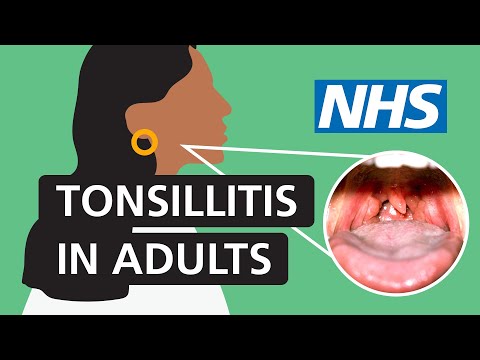
Swollen tonsils, also known as tonsillitis, can signal several health risks that warrant an understanding of their implications. When the tonsils become inflamed, it may be due to various causes, like viral or bacterial infections. This isn’t just a sore throat; it can affect breathing and swallowing.
One major health risk is obstructive sleep apnea, especially in children. When enlarged tonsils block the airway during sleep, it can lead to disrupted breathing. This often results in poor sleep quality, affecting mood and cognitive function during the day.
There’s also the potential for recurrent infections. Chronic inflammation of the tonsils may lead to repeated episodes of sore throat and fever. In some cases, surgery (tonsillectomy) might be recommended to remove them if conservative treatments don’t work.
Moreover, swollen tonsils might indicate more serious conditions like peritonsillar abscesses – which is essentially a collection of pus – or even a rare but significant complication like Lemierre’s syndrome. This condition involves a bacterial infection that can spread and cause serious health issues.
Overall, understanding these risks is crucial for taking timely action. If someone experiences persistent symptoms related to swollen tonsils—like difficulty swallowing or changes in breathing—consulting a healthcare provider is important for proper evaluation and management.