The information provided in this article is intended solely for general informational and educational purposes. It does not constitute medical advice, diagnosis or professional treatment, and should not be considered a substitute for consultation with a qualified doctor or other licensed healthcare professional. Any health-related decisions should be made in consultation with accredited medical professionals.
While efforts have been made to ensure the information is accurate and up to date, no guarantees are given—either express or implied—regarding its accuracy, completeness, currency or suitability. Use of this information is at your own discretion.
It is strongly recommended to consult official sources such as the NHS (National Health Service) or other recognised medical institutions before acting on any information contained on this website or article. Under no circumstances should professional medical advice be ignored or delayed due to content read here.
This content is of a general and informational nature only. It is not intended to replace individualised guidance from a healthcare professional or to establish any doctor-patient relationship. The publication of this information does not imply any professional responsibility, guarantee or obligation on the part of the author or this site.
Have you ever noticed unusual lumps or bumps in your neck or under your arms? That can be concerning, right? Swollen lymph nodes can be alarming, especially when you hear the word “cancer” thrown around. But here’s the thing: not all swollen lymph nodes mean something serious.
In this article, we’ll dive into what swollen lymph nodes really signify in the context of cancer care. You’ll learn about their role in your immune system and what it means when they swell up. It’s important to understand if they’re reacting to an infection or a sign of something more serious.
You see, understanding these little guardians of our bodies can ease your worries and help you ask better questions during doctor visits. Knowledge is power. Plus, knowing the big picture can guide you and your loved ones through challenging times.
Remember, though, this information isn’t a substitute for professional medical advice. Always consult a healthcare professional before making decisions about your health based on what you read here.
Understanding the Impact of Lymph Node Involvement in Cancer Progression
Understanding Lymph Nodes and Cancer
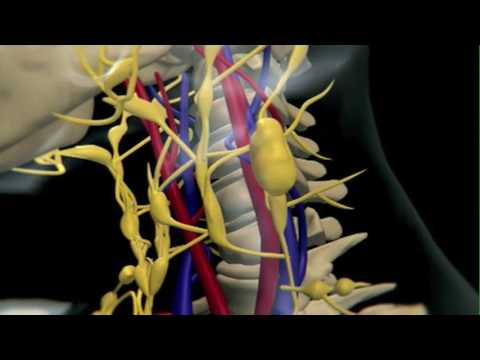
Lymph nodes are tiny, bean-shaped structures that play a crucial role in our immune system. They help filter harmful substances and fight infections. But when cancer is involved, things can get more complex.
Think of lymph nodes as checkpoints along the routes that lymph fluid travels throughout your body. This fluid contains white blood cells, which are like soldiers defending your body against threats. When cancer cells break away from a tumor, they can hitch a ride through this system.
Swollen Lymph Nodes: What Does It Mean?
If you’ve ever felt swollen lymph nodes in your neck or under your arms, it might be because your body is fighting an infection. However, sometimes swelling indicates something more serious like cancer spreading.
When cancer metastasizes—fancy word for spreading—it often first reaches nearby lymph nodes before moving to other parts of the body. So, swollen lymph nodes can signal that cancer may be progressing.
The Importance of Lymph Node Assessment
Doctors often assess whether lymph nodes are affected during cancer diagnosis and treatment planning. The presence of cancer cells in these nodes can help determine the stage of the disease.
- Stage I: Cancer is localized.
- Stage II: Cancer may have spread to nearby lymph nodes but not further.
- Stage III: More extensive spread within local lymph nodes and surrounding tissues.
- Stage IV: Cancer has moved to distant sites in the body.
Treatment Implications
If lymph node involvement is found, it might influence treatment decisions. For instance, surgery might involve removing affected nodes along with the original tumor. Chemotherapy or radiation could also be recommended depending on the stage and type of cancer.
Misinformation About Lymph Nodes
A common myth is that swollen lymph nodes always mean cancer. That’s not true! Infections or even allergies can cause them to swell up too. It’s important to remember that not all swelling is linked with malignancies.
If you’re experiencing unusual symptoms or have concerns about swollen lymph nodes, discussing this with someone who knows about health matters could go a long way!
The Bottom Line
Lymph node involvement plays a significant role in understanding how far cancer has progressed and aids in shaping treatment strategies. Knowing what’s happening in those tiny structures can seem daunting—just remember you’re not alone if you have questions or worries about it all!
Understanding Lymph Node Swelling: Key Insights into Cancer Staging
Understanding Lymph Node Swelling
Lymph nodes are tiny, bean-shaped structures that are part of the lymphatic system. This system is crucial for immune function, helping your body fight off infections. When something goes wrong—like an infection or cancer—these nodes can swell up.
Why Do Lymph Nodes Swell?
Swelling typically occurs when lymph nodes are responding to an infection or disease. Imagine them as little security guards: when they detect trouble, they get bigger to help fight it off. But sometimes, swelling can be a sign of cancer.
Cancer and Lymph Nodes
In the context of cancer, swollen lymph nodes often indicate that the disease may have spread from its original site to other areas in the body. This spreading process is referred to as metastasis.
So, when a doctor examines swollen lymph nodes during a cancer staging process, they’re trying to determine how far the cancer has spread. Staging helps in understanding how advanced the cancer is and what treatment options might be necessary.
Cancer Staging Explained
Cancer staging involves classifying the extent of cancer in terms of size and spread. It usually ranges from stage 0 (cancer that hasn’t spread) to stage IV (cancer that has advanced). Lymph node involvement can significantly impact this staging.
- Stage I: Cancer is localized without any lymph node involvement.
- Stage II: Localized but may have affected some nearby lymph nodes.
- Stage III: More extensive involvement of lymph nodes and possibly surrounding tissues.
- Stage IV: Cancer has widely spread beyond regional lymph nodes to other organs.
The Importance of Diagnosis
If swollen lymph nodes are detected, doctors might recommend imaging tests like CT scans or ultrasounds, along with biopsies—where tissue samples are taken—to better understand what’s happening inside your body.
This combination helps paint a clearer picture for deciding on appropriate treatments like surgery, chemotherapy, or radiation therapy based on how advanced the disease is and where it stands in relation to those important little warriors—the lymph nodes.
Misinformation You Might Hear
A common myth is that all swollen lymph nodes mean “I have cancer.” That’s not true! Many infections can cause swelling too—like colds or even dental issues. Just because a node feels enlarged doesn’t automatically signal cancer; it’s essential not to jump to conclusions without proper medical evaluation.
Taking Care of Yourself
If you notice persistent swelling in your lymph nodes or any unexplained changes in your health—such as drastic weight loss or night sweats—it’s always best to consult with a healthcare professional. Early detection can lead to better outcomes down the road.
Your health matters deeply! Understanding what happens inside your body helps you make informed decisions alongside your healthcare team.
Exploring Effective Approaches to Combat Lymph Node Cancer
Understanding Lymph Node Cancer
Lymph node cancer, often referred to as lymphoma, happens when lymphocytes (a type of white blood cell) start to grow uncontrollably. Those cells usually help your body fight infections, so when they go rogue, it can cause significant health issues. Swollen lymph nodes are one common sign of this problem.
What are Lymph Nodes?
Look, lymph nodes are small bean-shaped structures found throughout your body. They’re kind of like checkpoints for your immune system. Think of them like the security guards at an airport checking for harmful things trying to get in. When your body is fighting something off—like an infection or cancer—lymph nodes may swell up because they’re busy doing their job.
Why Do Lymph Nodes Swell?
Swelling occurs for various reasons, but in cancer care, it’s often a reaction to the presence of abnormal cells. Sometimes this swelling can be uncomfortable or painful, leading people to seek help. But remember: swollen lymph nodes don’t always mean cancer; they can be due to infections or other conditions too.
How is Lymph Node Cancer Diagnosed?
Diagnosis involves several steps. Doctors might start with a physical examination and ask about symptoms—like if you’ve noticed any swellings or had fever-like feelings lately. They might also suggest blood tests or imaging studies like CT scans to see what’s going on inside.
Treatment Options
If diagnosed with lymphoma, there are various treatment approaches available. Chemotherapy is a commonly used method; it involves using drugs that target rapidly growing cells in the body—including cancerous ones.
- Radiation therapy: This uses high-energy rays to specifically target affected lymph nodes.
- Surgery: Sometimes doctors remove affected lymph nodes entirely if that seems appropriate.
- Immunotherapy: It’s a newer approach where treatments bolster the body’s own immune response against cancer cells.
Coping with Diagnosis
A diagnosis can feel overwhelming at first—it’s completely normal to experience a whirlwind of emotions. Reaching out for support from friends and family is super important during this time. You shouldn’t have to face this alone; talking about your fears and concerns can really help.
The Importance of Follow-Up Care
No matter what treatment path you choose, follow-up care is crucial. Regular check-ups allow doctors to monitor how well treatment is working and catch any potential issues early on. It’s kind of like routine maintenance for your car—you don’t want problems sneaking up on you later!
Misinformation Around Lymph Node Swelling
A lot of myths surround swollen lymph nodes—like thinking every case means cancer needs immediate intervention or surgery. In reality? Many lymph node changes stem from harmless causes such as bugs bites or common illnesses like colds.
Your Role in Care
You play an active role in understanding your condition and participating in treatment decisions alongside healthcare providers! Educating yourself about options and asking questions fosters better communication—you deserve clarity about what’s happening with your health!
If you notice anything unusual regarding swelling or other symptoms such as persistent fevers, definitely reach out for medical evaluation sooner rather than later!
Swollen lymph nodes can be a common concern in cancer care, often signaling an underlying issue. When we see these lymph nodes enlarging, it’s essential to understand what’s happening in the body.
Lymph nodes are tiny, bean-shaped structures that play a key role in our immune system. They filter harmful substances and help fight infections. In the context of cancer, swollen lymph nodes may indicate that cancer cells are spreading or that the body is responding to another type of illness.
For patients and families, seeing swollen lymph nodes can lead to anxiety. It’s important to clarify that not all swollen nodes mean cancer is present; infections or benign conditions can also cause enlargement. This distinction is crucial for emotional well-being and treatment planning.
Health care providers must take a thoughtful approach when assessing swollen lymph nodes. A careful history and physical examination are vital. Sometimes imaging tests or biopsies might be needed for a definitive diagnosis.
Understanding the role of lymph nodes not only aids in diagnosis but also helps tailor treatment plans effectively. For instance, if swelling indicates disease progression, it might shift the focus towards more aggressive therapies.
In summary, while swollen lymph nodes can be alarming in cancer care, they provide valuable information about a patient’s health status and ongoing needs. Careful evaluation enables us to support patients through their journey with compassion and clarity.