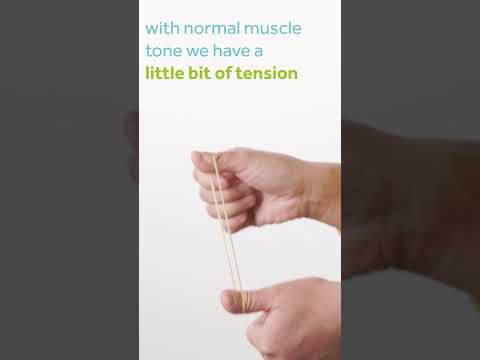
Hypotonia is a term that describes decreased muscle tone, making the muscles feel “floppier” than usual. Imagine a well-cooked spaghetti noodle compared to a firm one; that’s how hypotonic muscles can feel. This condition can affect anyone, from newborns to adults, and may arise from various causes, including genetic conditions, neurological issues, or metabolic disorders.
Understanding hypotonia is crucial for those experiencing it or caring for someone who does. It’s not just about feeling weak; it can influence daily activities and overall quality of life. The effects range from developmental delays in children to challenges with posture and coordination in adults.
However, it’s important to approach this topic with care. Hypotonia has many potential causes, each requiring different strategies for management and support. Always consult various specialists—like pediatricians, neurologists, and physical therapists—to gain a well-rounded perspective on diagnosis and treatment options. Be wary of advice that seems too simplistic or one-size-fits-all; education should be comprehensive and based on evidence.
Stay curious and informed! Your journey into understanding hypotonia might reveal insights that could help you or someone you know lead a better life.
The information provided in this article is intended solely for general informational and educational purposes. It does not constitute medical advice, diagnosis or professional treatment, and should not be considered a substitute for consultation with a qualified doctor or other licensed healthcare professional. Any health-related decisions should be made in consultation with accredited medical professionals.
While efforts have been made to ensure the information is accurate and up to date, no guarantees are given—either express or implied—regarding its accuracy, completeness, currency or suitability. Use of this information is at your own discretion.
It is strongly recommended to consult official sources such as the NHS (National Health Service) or other recognised medical institutions before acting on any information contained on this website or article. Under no circumstances should professional medical advice be ignored or delayed due to content read here.
This content is of a general and informational nature only. It is not intended to replace individualised guidance from a healthcare professional or to establish any doctor-patient relationship. The publication of this information does not imply any professional responsibility, guarantee or obligation on the part of the author or this site.
Unraveling the Mystery Behind Low Muscle Tone
Low muscle tone, or hypotonia, is a condition that can affect anyone but is often noticed in infants. It refers to decreased resistance in the muscles, meaning they may feel “floppy.”
When babies have low muscle tone, they might struggle to hold their head up or sit without support. It can be a bit like trying to hold up a wet noodle—nothing feels firm or strong.
What causes hypotonia? There are many possible reasons:
The effects of hypotonia vary widely. Some individuals may need physical therapy to help strengthen muscles. Others might face challenges with coordination and balance as they grow.
It’s important to note that low muscle tone doesn’t always indicate a severe problem. Many kids with hypotonia go on to live active lives.
Early intervention is key. If parents notice signs of low muscle tone, it’s good to talk to a healthcare provider for guidance and support.
Misunderstandings about hypotonia are common. Some people think it only affects movement, but it can also influence speech and other functions due to its impact on overall coordination.
Staying informed is vital for families dealing with this condition. Engaging with therapists and support groups can make navigating challenges smoother.
In sum, while hypotonia presents unique challenges, understanding its causes and effects allows for better strategies in management and care. Each person’s journey will be different, so finding what works best is essential.
Unraveling the Causes and Impacts of Low Muscle Tone
Low muscle tone, known as hypotonia, can affect everyone from infants to adults. It refers to a decreased level of muscle tension or resistance to passive movement. Imagine a balloon that’s not fully inflated; it lacks the firmness needed to hold its shape well. That’s similar to how muscles may feel under hypotonia.
Causes of Low Muscle Tone can vary widely. Here are some common reasons:
In many cases, low muscle tone is identified in infancy. Parents may notice that their baby feels “floppy” or doesn’t cradle their head well. These early signs can help with timely evaluation and intervention.
The impacts of low muscle tone extend beyond just feeling weak. Children might struggle with gross motor skills, making crawling, walking, or running challenging. Everyday activities like sitting up or holding toys could be tougher too.
For adults, low muscle tone may lead to fatigue during physical tasks and difficulties maintaining balance and coordination. This could limit one’s ability to participate in various activities.
Despite the challenges posed by hypotonia, it’s important to note that each individual is unique. Some people with low muscle tone go on to lead very active lives while others may need support along the way.
Treatment typically involves physical therapy which helps strengthen muscles and improve coordination. Think of it like training for a sport; practice helps build up skills gradually over time.
It’s also essential for caregivers and families to provide emotional support and encouragement. Celebrate small victories! Progress might be slow but every step counts toward independence.
If you have concerns about low muscle tone—either in yourself or someone else—consider seeking guidance from healthcare professionals who can offer tailored advice based on individual needs.
In conclusion, understanding hypotonia equips us better for informed decisions about health and support options available. Awareness leads to compassion and better care strategies for those affected by this condition.
Understanding Hypotonia: A Guide for Parents to Navigate Their Child’s Journey
Understanding hypotonia can feel overwhelming for parents. It’s important to grasp what it is and how it affects your child’s development.
Hypotonia means decreased muscle tone. Think of it like a deflated balloon—there’s not enough air to give it shape and structure. Children with hypotonia may seem floppy or have trouble holding their heads up, sitting up, or even walking.
Causes of hypotonia:
Recognizing the signs early is crucial. Parents might notice their child struggles with basic movements or is slower than peers in reaching milestones like crawling or walking.
Hypotonia isn’t a disease itself, but rather a symptom of underlying issues. This means it’s essential to understand the cause specific to your child. In some cases, children outgrow certain types of hypotonia as their muscles strengthen.
The effects of hypotonia can vary widely. Some kids may need physical therapy to help improve muscle strength and coordination. Others might benefit from occupational therapy, which focuses on daily life skills.
It’s also important for parents to keep communication open with health care providers. Regular check-ups can help track progress and make adjustments in therapy as needed.
Support networks can be invaluable for navigating this journey. Connecting with other parents facing similar challenges provides emotional support and practical advice.
Remember, every child is unique—what works for one may not work for another. Stay observant, be patient, and celebrate small victories along the way.
Lastly, don’t hesitate to ask questions if something doesn’t seem right or if you want clarity on your child’s condition. Knowledge empowers you in this journey!
Understanding hypotonia—the medical term for decreased muscle tone—can be quite enlightening for both individuals and their families. Hypotonia isn’t a disease itself but rather a symptom of underlying conditions. It can be seen in infants, children, and even adults, often impacting mobility and coordination.
Causes of hypotonia vary widely. They can include genetic disorders like Down syndrome, metabolic issues, or neurological conditions such as cerebral palsy. Think of it like a light dimmer switch; the muscles may not respond with the same strength or clarity due to various factors.
The effects of hypotonia are also diverse. People may experience difficulties with motor skills, such as sitting up or walking. This can lead to challenges in daily activities and social interactions, necessitating supportive therapies.
Importantly, early diagnosis is crucial. Recognizing hypotonia allows for timely intervention through physical therapy and other treatments that can significantly improve quality of life.
By fostering understanding around hypotonia—its causes and effects—we empower families to make informed decisions about care options available to them. Awareness sparks compassion and support in communities that help those affected live fuller lives.