The information provided in this article is intended solely for general informational and educational purposes. It does not constitute medical advice, diagnosis or professional treatment, and should not be considered a substitute for consultation with a qualified doctor or other licensed healthcare professional. Any health-related decisions should be made in consultation with accredited medical professionals.
While efforts have been made to ensure the information is accurate and up to date, no guarantees are given—either express or implied—regarding its accuracy, completeness, currency or suitability. Use of this information is at your own discretion.
It is strongly recommended to consult official sources such as the NHS (National Health Service) or other recognised medical institutions before acting on any information contained on this website or article. Under no circumstances should professional medical advice be ignored or delayed due to content read here.
This content is of a general and informational nature only. It is not intended to replace individualised guidance from a healthcare professional or to establish any doctor-patient relationship. The publication of this information does not imply any professional responsibility, guarantee or obligation on the part of the author or this site.
Have you ever wondered what happens in your brain when there’s a bleed? It sounds pretty scary, right? Well, that’s essentially what an intracranial hemorrhage is—a bleed inside the skull that can be quite serious.
Symptoms can vary widely, from headaches to confusion. It’s not just something you ignore. Understanding the signs and knowing how to respond can literally save lives.
This article will help break down what intracranial hemorrhages are, their symptoms, and the kind of care involved. We want to make this complex topic more approachable for you, providing useful insights that matter in real life.
But remember, this content doesn’t replace professional medical advice. Health decisions should always involve a healthcare professional who understands your individual situation. So let’s dive in together and get a better grasp on this important topic.
Understanding the Warning Signs of a Subtle Brain Injury
Brain injuries can be tricky. Sometimes the signs are clear, but often they’re very subtle. You might think everything is fine, only to discover later that something’s wrong. It’s important to know what to look for.
What is a Subtle Brain Injury?
A subtle brain injury usually refers to something like a concussion. It’s often caused by a bump or jolt to the head. You might not lose consciousness, but it can still impact your brain function.
Common Symptoms
- Headaches: If you have persistent headaches after a bump on the head, that could be a sign.
- Nausea: Feeling sick to your stomach without any other reason can point towards an injury.
- Dizziness: If you feel lightheaded or unsteady, especially after a hit, don’t ignore it.
- Cognitive Changes: Difficulty concentrating or remembering things is another red flag.
The thing is, these symptoms might seem minor at first. But they can hint at bigger issues like intracranial hemorrhages—bleeding inside the skull that can be life-threatening.
Intracranial Hemorrhage: What You Should Know
An intracranial hemorrhage occurs when there’s bleeding inside the skull. It might happen due to trauma or even conditions like high blood pressure. Symptoms can include severe headache, confusion, weakness in one side of the body and more.
Caring for Someone with Symptoms
If someone shows these symptoms after an injury, it’s critical to seek medical help right away. Time matters in preventing more serious issues from developing.
- No Self-Diagnosis: Avoid trying to explain away symptoms yourself; professional assessment is vital.
- Avoid Delay:If symptoms worsen or new ones appear suddenly, seek emergency care immediately.
- Observe Behavior Changes:If mood swings or unusual behavior occur after an injury, pay close attention.
The Importance of Awareness
You know how sometimes we just shrug off little aches and pains? With brain injuries, it’s crucial not too! Understanding these warning signs empowers you and those around you to act quickly when needed.
If you’re ever unsure about symptoms related to head trauma—or witness someone struggling—don’t hesitate; reach out for help sooner rather than later!
Navigating the Risks and Realities of Recovering from a Brain Hemorrhage
A brain hemorrhage occurs when there’s bleeding in or around the brain. This can lead to a range of symptoms, including severe headaches, weakness, and confusion. It’s a serious condition that needs immediate attention.
Recovery can be complex, and it varies greatly from person to person. Some people may recover fully while others might face ongoing challenges. Think of it like this: just as every road has its bumps, each recovery journey is unique.
Understanding Intracranial Hemorrhages
Intracranial hemorrhages are classified into different types based on where the bleeding happens. For example, a subarachnoid hemorrhage occurs in the space between the brain and its outer covering.
- Subdural Hematoma: Blood collects between the outer layer of the brain and the skull.
- Epidural Hematoma: Bleeding occurs between the skull and the outermost covering of the brain.
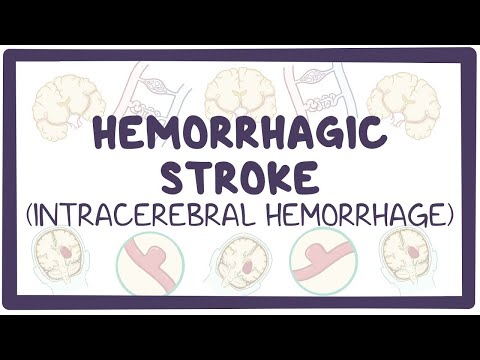
- Intracerebral Hemorrhage: This type happens inside the brain tissue itself.
The symptoms can include headaches that feel different from usual ones, seizures, or even sudden changes in behavior. If you notice these signs in someone else or yourself, it’s really important to get help fast!
The Role of Rehabilitation
After a brain hemorrhage, rehab plays a key part in recovery.
This can involve physical therapists helping improve mobility or occupational therapists assisting with daily tasks.
Sometimes people also work with speech therapists if they have trouble communicating.
Your body might need time to heal itself after such trauma; patience is really important here!
Pacing Yourself During Recovery
If you’ve been through this experience—or are supporting someone who has—know it’s normal for progress to be slow at times.
There could be good days when things feel hopeful and bad days when everything feels tough.
Setting realistic goals helps keep motivation up; small steps lead to significant improvements over time.
Mental Health Considerations
Don’t forget about mental health along with physical recovery! Depression or anxiety can often accompany such traumatic events.
It’s okay not to feel okay all the time; talking about feelings with friends or professionals can make a difference.
Remember: healing isn’t just about physical strength; mental resilience is crucial too!
A Supportive Network
Your family and friends play an essential role during recovery. They can help catch your falls—both literally and figuratively.
Explain your needs where possible; open communication fosters understanding.
Support groups for individuals recovering from similar conditions can also provide valuable perspectives!
Your Unique Journey
No two recoveries are alike—a lot depends on factors like age, overall health prior to illness, type of bleed experienced, as well as access to quality care.
So take things one day at a time!
If you’re navigating this path yourself or walking alongside someone affected by it remember that hope plays an extraordinary role even when times get tough!
Recognizing the Warning Signs After a Head Injury
Head injuries can happen when you least expect it. Whether it’s a fall, a sports accident, or a car crash, it’s important to pay attention to what happens afterward. Often, you might feel fine right after the incident, but that’s not always the case.
One major concern with head injuries is something called intracranial hemorrhage. This term sounds complicated, but it simply means bleeding inside the skull. And, the thing is, this bleeding can be serious.
Common Symptoms to Watch For
If someone has had a head injury, there are several warning signs that shouldn’t be ignored:
- Severe headache: If the pain feels worse than usual or doesn’t go away, take it seriously.
- Nausea or vomiting: Feeling sick to your stomach after hitting your head can be a red flag.
- Dizziness or confusion: If someone seems disoriented or has trouble balancing, seek help.
- Tingling or weakness: Numbness in limbs could indicate nerve damage or pressure from bleeding.
- Losing consciousness: Even briefly passing out after an injury isn’t normal and should prompt action.
Understanding How These Signs Relate to Intracranial Hemorrhages
The symptoms above occur because blood can begin to build up in places where it’s not supposed to be—like between your skull and brain. This pressure can cause those alarming signs you may experience post-injury.
You know how when water leaks somewhere in your house and causes damage? Well, that’s similar! Bleeding in the brain puts pressure on surrounding areas; it’s vital that doctors evaluate anyone showing these symptoms quickly.
When Should You Seek Medical Help?
If any of those symptoms appear after hitting your head, don’t wait around. It’s best to get checked by medical professionals. Prompt care might make all the difference!
If you’re unsure whether what you’re seeing is serious enough for a checkup—better safe than sorry! Taking quick action can save lives and lessen complications down the road. Remember: Trust your gut feelings about health issues!
Caring for Someone After They’ve Had a Head Injury
If you’re watching over someone who just experienced a bump on the head, keep an eye on them. Check if they’re alert and responsive every so often for at least 24 hours after the incident. If they become unusually sleepy or hard to wake up—get help fast!
Sometimes folks think they know better than medical advice we hear from loved ones; however let’s face it—you can’t rule out risks entirely based on feeling fine initially!
The Bottom Line
Taking head injuries seriously isn’t just being cautious—it’s being smart! Recognizing these warning signs early can lead to timely treatment and prevent further harm. Understanding these risks arms you with knowledge that could truly matter when seconds count!
Understanding Intracranial Hemorrhages: Symptoms and Care
Intracranial hemorrhages, or bleeding within the skull, represent a serious medical condition that can arise from various causes. Recognizing the symptoms and understanding appropriate care are critical for improving outcomes.
There are several types of intracranial hemorrhages, each with its own characteristics. For instance, epidural hematomas occur between the skull and the outer layer of the brain covering. On the other hand, subdural hematomas develop beneath that outer layer. Both can be life-threatening if not managed promptly.
Symptoms may vary widely but often include headaches, confusion, seizures, or even loss of consciousness. Sometimes people might experience weakness in their limbs or trouble speaking. It’s crucial for anyone seeing these symptoms to seek immediate medical help.
The care for intracranial hemorrhages often begins with imaging tests like CT scans or MRIs to identify the bleed’s location and size. Treatment approaches can differ; while some cases may only require monitoring, others might need surgical intervention to relieve pressure on the brain.
The journey towards recovery can also involve rehabilitation therapies focused on regaining cognitive or physical functions. This approach highlights how personalized care is essential based on individual circumstances.
Understanding this condition emphasizes our collective responsibility in recognizing early signs and advocating for timely medical attention. The more we know about it, the better equipped we are to support those affected by these challenging situations.