The information provided in this article is intended solely for general informational and educational purposes. It does not constitute medical advice, diagnosis or professional treatment, and should not be considered a substitute for consultation with a qualified doctor or other licensed healthcare professional. Any health-related decisions should be made in consultation with accredited medical professionals.
While efforts have been made to ensure the information is accurate and up to date, no guarantees are given—either express or implied—regarding its accuracy, completeness, currency or suitability. Use of this information is at your own discretion.
It is strongly recommended to consult official sources such as the NHS (National Health Service) or other recognised medical institutions before acting on any information contained on this website or article. Under no circumstances should professional medical advice be ignored or delayed due to content read here.
This content is of a general and informational nature only. It is not intended to replace individualised guidance from a healthcare professional or to establish any doctor-patient relationship. The publication of this information does not imply any professional responsibility, guarantee or obligation on the part of the author or this site.
Have you ever found yourself wondering why so many people struggle with quitting smoking, even when they know the risks? It’s fascinating, really. Nicotine, the addictive substance in tobacco, plays a huge role in this struggle. But there’s more to the story than just addiction.
In this article, we’re diving into nicotine—what it is, how it affects our bodies, and why understanding its implications matters now more than ever. You might be surprised to learn that nicotine isn’t just present in cigarettes; it can also be found in products like vaping devices and even certain medications.
We’ll explore both its uses and risks. This includes how it can impact brain function, mood, and overall health. There’s a lot of misinformation floating around about nicotine, so it’s crucial to get the facts straight.
Remember though: while this content aims to clarify various aspects of nicotine for you, it’s not a substitute for professional medical advice. Always consult with a healthcare professional when making decisions about your health.
Uncovering the Hidden Dangers Behind a Common Habit
Understanding Nicotine: Uses, Risks, and Health Implications
Nicotine is often associated with smoking, but it’s not just in cigarettes. It’s found in other tobacco products and e-cigarettes too. So, let’s break down what nicotine is all about.
What Exactly Is Nicotine?
Nicotine is a chemical that comes from the tobacco plant. It’s what makes smoking and vaping addictive. Think of it as a kind of “reward” system for your brain, giving you pleasure when you use it.
How Does It Affect Our Body?
When you take in nicotine—say through smoking—it quickly enters the bloodstream. This brings about changes in your mood and behavior. Some people may feel relaxed or focused after using it.
This might sound appealing, but what follows can be problematic. The brain adjusts to these changes over time, needing more nicotine to get the same effects. This leads to addiction.
The Hidden Dangers
You might think that because many people use nicotine without immediate issues, it’s harmless. But that isn’t the case at all! Long-term use can lead to serious health problems.
- Cancer: Smoking tobacco causes various types of cancer—lung cancer being the most well-known.
- Heart Disease: Nicotine increases heart rate and blood pressure, putting extra strain on your heart.
- Lung Issues: Chronic bronchitis and emphysema are common among long-term smokers due to damaged lungs.
E-Cigarettes: A Safer Alternative?
E-cigarettes have gained popularity as a “safer” option for those looking to quit smoking traditional cigarettes. But they aren’t without risks either.
E-cigarettes still contain nicotine as well as other harmful substances like formaldehyde or acrolein. These ingredients aim for vapor but can harm your lungs when inhaled regularly.
Mental Health Effects
The impact of nicotine isn’t just physical; it affects mental health too! Some studies suggest that while nicotine may enhance mood short-term, its long-term effects can contribute to anxiety and depression symptoms later on.
The Path to Quitting
If you’re thinking about quitting or know someone who is, there are resources available! Talk therapies or support groups can make a huge difference since quitting isn’t easy; many find success with gradual reduction rather than going cold turkey all at once!
A Final Thought
If you’re concerned about nicotine use—whether it’s yours or someone else’s—consider discussing options with healthcare providers! Understanding all angles helps in making informed decisions about health habits!
Unveiling the Hidden Dangers of Nicotine Use
Understanding Nicotine
Nicotine is a chemical found in tobacco. When you smoke or use tobacco products, nicotine enters your bloodstream. It’s actually a stimulant, which means it can speed up your heart rate and make you feel more alert. But here’s the catch: while it may seem like a quick pick-me-up, nicotine has many hidden dangers.
Uses of Nicotine
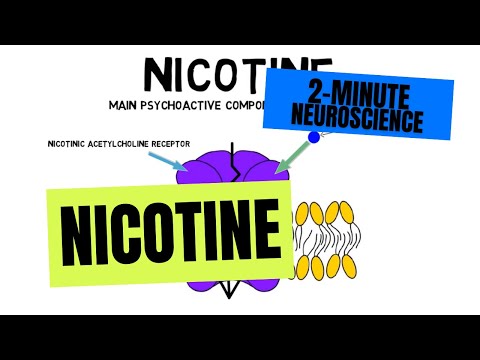
Many people associate nicotine with smoking cigarettes. However, it’s also used in some vaping products and even in certain cessation aids to help people quit smoking. It interacts with receptors in the brain, leading to feelings of pleasure or reward. But this can create a cycle that makes quitting really hard.
The Risks of Nicotine Use
- Addiction: Nicotine is highly addictive. Once you start using it regularly, your body starts to depend on it for feeling good.
- Heart Health: Nicotine raises blood pressure and puts stress on your heart. Over time, this increases the risk of heart disease.
- Lung Damage: Smoking delivers nicotine along with harmful chemicals that damage lung tissue, increasing risks of respiratory diseases.
- Pregnancy Risks: If someone uses nicotine during pregnancy, it can affect fetal development and increase risks of preterm birth.
The Brain Connection
This might surprise you—nicotine impacts brain chemistry significantly. It can enhance mood temporarily but also disrupt natural pathways in the long term. For instance, many users report heightened anxiety when not using nicotine because their brains have adapted to its presence.
Coping Mechanisms
If you’re considering quitting or want to manage cravings better, there are alternatives out there—like counseling or support groups—that focus on behavioral changes rather than just replacing one substance with another.
Misinformation Around Vaping
Vaping was initially marketed as a safer alternative to smoking traditional cigarettes. However, it’s important to recognize that many vape products still contain high levels of nicotine and other harmful substances like flavoring agents that may lead to lung problems.
The Takeaway
You might think that using nicotine just for its immediate effects is harmless but doing so carries numerous risks over time. As we learn more about its impact on health—and especially long-term habits—it becomes clear that moderation is key if one chooses to use substances containing nicotine at all.
If you’re uncertain about how certain substances affect your health specifically? Consulting a healthcare provider could be a smart move—they can help clarify any confusion based on personal circumstances!
Exploring the Surprising Benefits and Applications of Nicotine in Medicine
Understanding Nicotine
Nicotine is a chemical found in tobacco plants. It’s mainly known for its presence in cigarettes and its addictive properties. However, there’s much more to this compound than meets the eye.
Medical Uses
You might be surprised to learn that nicotine has some potential medical applications. Researchers are looking into its effects on certain conditions, like Parkinson’s disease and Alzheimer’s. Some studies suggest that it may help improve cognitive function.
Think of it like caffeine, which can sharpen your focus for a while. Nicotine might boost alertness too—though, of course, it’s not without risks.
Smoking Cessation
Nicotine replacement therapies are popular for those trying to quit smoking. Products like patches, gum, and lozenges provide controlled doses of nicotine without the harmful effects of smoking.
This method helps ease withdrawal symptoms and cravings when people stop using cigarettes. It’s a sort of bridge to help you get through tough times while your body adjusts.
Potential Benefits
Some research points toward nicotine having neuroprotective effects. This means it might protect nerve cells from damage or degeneration, especially relevant in diseases like multiple sclerosis.
The catch here is timing. While nicotine may show promise in specific situations or conditions, it doesn’t mean it’s suitable for everyone or every circumstance.
The Risks Involved
Using nicotine is not without downsides tho’. Besides being addictive, it can affect heart rate and blood pressure negatively if used improperly.
You don’t want to rush into using nicotine without understanding these risks fully. Exploring the benefits doesn’t negate the potential harm—a careful balance is crucial.
Mental Health Concerns
Interestingly enough, some studies have linked nicotine use with mood enhancement—at least temporarily. Still, relying on nicotine for mental health isn’t advisable; alternative therapies exist that are safer long-term.
Caution Is Key
If you’re considering any form of nicotine for medicinal purposes or smoking cessation, keep in mind: what works well for one person doesn’t necessarily work for another.
- Talk to healthcare professionals about all options available to you.
- The science behind nicotine is still evolving; new research could shed light on both benefits and risks down the road.
- You should never underestimate addiction—it can be real tricky!
A Final Thought
Nicotine may surprise us with its potential uses beyond just tobacco products but always approach with caution and awareness of personal health history. Understanding more about it can help you make informed choices tailored to your situation.
Understanding Nicotine: Uses, Risks, and Health Implications
Nicotine, a chemical found in tobacco, often brings to mind smoking and addiction. But it actually has various uses in medicine too. For instance, nicotine replacement therapies like patches and gums help people quit smoking. It’s a way of easing withdrawal symptoms while they work on breaking free from the habit.
But the risks are significant. Smoking is known to cause numerous health problems including lung cancer, heart disease, and stroke. The addictive nature of nicotine complicates quitting for many people. Once someone starts using tobacco products, the body begins to rely on nicotine to feel normal.
Beyond addiction, nicotine can affect the brain’s development in young people. It’s important to recognize that while adults can make informed choices regarding their nicotine use, adolescents may not have fully developed decision-making skills.
This raises questions about public health policies aimed at reducing nicotine consumption across populations. Education is crucial since misinformation can lead individuals to underestimate risks associated with vaping or other forms of nicotine delivery.
The conversation around nicotine continues to evolve as more research emerges. Recognizing its dual role—both as a therapeutic agent and a substance with serious health risks—is essential for making informed choices about its use.