The information provided in this article is intended solely for general informational and educational purposes. It does not constitute medical advice, diagnosis or professional treatment, and should not be considered a substitute for consultation with a qualified doctor or other licensed healthcare professional. Any health-related decisions should be made in consultation with accredited medical professionals.
While efforts have been made to ensure the information is accurate and up to date, no guarantees are given—either express or implied—regarding its accuracy, completeness, currency or suitability. Use of this information is at your own discretion.
It is strongly recommended to consult official sources such as the NHS (National Health Service) or other recognised medical institutions before acting on any information contained on this website or article. Under no circumstances should professional medical advice be ignored or delayed due to content read here.
This content is of a general and informational nature only. It is not intended to replace individualised guidance from a healthcare professional or to establish any doctor-patient relationship. The publication of this information does not imply any professional responsibility, guarantee or obligation on the part of the author or this site.
Have you ever looked at someone’s eyes and wondered what their color really means? It may sound simple, but the iris, that colorful part of your eye, holds more secrets than you might think. It does a lot more than just look pretty; it plays a crucial role in how we see the world around us.
The iris controls how much light enters the eye. Think of it as a camera’s aperture—perfectly adjusting to different lighting conditions. But its importance doesn’t stop there. Changes in your iris can hint at various health issues, from simple allergies to more serious conditions.
You know, many people don’t realize that paying attention to our eyes can be a window into our overall health. That’s why understanding the iris is important for everyone. This article will dive into its functions and what it means for your health.
Just remember, while this information is useful, it’s not a substitute for professional medical advice. Always consult a healthcare professional for any concerns about your eye health or general well-being.
Unlocking the Secrets of Vision through Iris Dynamics
Understanding the Iris
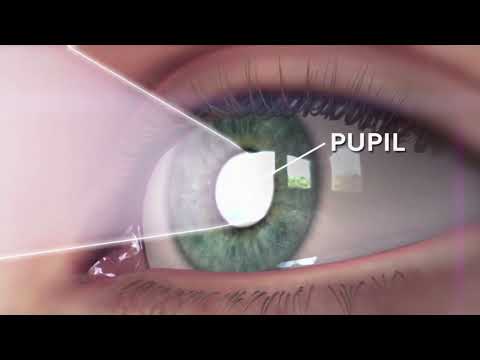
The iris is that pretty colored part of your eye, right? It’s more than just decoration. It plays a crucial role in controlling how much light enters your eye. Think of it like the aperture of a camera—it expands or contracts to let in different amounts of light.
Function of the Iris
The iris has two main muscles: the sphincter pupillae and the dilator pupillae. The sphincter muscle makes your pupil smaller when there’s too much light, while the dilator does the opposite, opening up in dim conditions. This adjustment helps protect our retina from getting overwhelmed by bright lights.
Health Implications
Now, let’s talk about health. The color of your iris can hint at some genetic traits or health conditions. For example, lighter irises often mean lower melanin levels which can make folks more sensitive to bright sunlight.
Some studies also show that changes in iris patterns might indicate specific health issues. Like if someone has a particular spot on their iris, it could suggest an underlying problem, although this isn’t set in stone.
Iris Dynamics
Iris dynamics involves studying how our irises respond to different conditions—like lighting or emotional states. For example, if you’re scared or excited, your pupils can widen unexpectedly as part of our body’s fight-or-flight response.
This dynamic reaction is super important for vision clarity and depth perception. If you’ve ever noticed your vision gets sharper when you’re focused on something important? That’s due to these quick adjustments that happen naturally!
A Look at Iridology
You might have heard about iridology—where practitioners believe they can tell things about your health by looking at your iris closely. While some claim benefits from this practice, most scientists remain skeptical since there’s limited evidence supporting those ideas.
Conclusion: Caring for Your Iris
Caring for your eyes is key! Regular check-ups with an eye care provider will help keep everything in check and ensure your irises stay healthy too.
- Wear sunglasses outdoors to protect against UV rays.
- Stay hydrated as it helps maintain overall ocular health.
- If you notice any changes in color or patterns on your iris over time, it’s worth mentioning at your next appointment.
The next time you look in the mirror, remember: Your iris isn’t just there for show; it’s a vital component keeping you seeing clearly every day!
Exploring the Eye’s Gateway to Vision and Light Control
Understanding the Iris: Function and Health Implications
The iris is a vital part of your eye, and it does more than just give color. It plays a key role in controlling how much light enters your eye. Think of it as a tiny camera shutter. When you walk outside on a sunny day, the iris tightens to let in less light. In dimmer areas, it dilates to allow more light in.
This adjustment is essential for clear vision. Without this ability to control light intake, seeing in different lighting conditions would be really difficult! Imagine trying to read in bright sunlight while squinting all the time; that’s what it would be like.
Health Implications of Iris Function
If the iris isn’t functioning properly, it can lead to several issues. Conditions like aniridia (where the iris is absent) or coloboma (a gap in the structure) can affect vision significantly. These conditions may also make your eyes more sensitive to light which can be uncomfortable or even painful.
- Glaucoma: This condition happens when high pressure builds up inside the eye, potentially damaging the optic nerve.
- Iritis: An inflammation of the iris itself can cause pain, redness, and sensitivity to light. This often requires medical attention.
- Pupil abnormalities: Sometimes pupils might not react correctly due to various reasons including neurological problems.
Regular eye exams are important because they help identify these issues early on. You might think checking your vision is only about seeing clearly but it’s much more than that!
Lifestyle Factors Impacting Your Iris Health
Your overall health plays a role in how well your iris functions too! For example, conditions like diabetes can impact eye health significantly over time. It’s also worth considering that excessive UV exposure may harm not just your skin but also your eyes, leading to issues related with cataracts or macular degeneration later on.
A nutritious diet rich in antioxidants—like vitamins C and E—can support eye health overall. Plus staying hydrated helps maintain optimal moisture levels within our eyes!
The Takeaway
The iris deserves more attention than we often give it! It’s fascinating how this small structure has such a big job affecting our everyday lives and experiences with light. Being aware of its function and associated health implications can empower us into taking better care of our eyes.
If you’re ever worried about your eyesight or experience changes related with glare or brightness sensitivity, don’t hesitate—consulting an eyecare professional could be helpful!
Unlocking the Secrets of How Lenses Shape Our World
Understanding the Iris: Function and Health Implications
Alright, let’s dive into the iris, the colored part of your eye that plays a crucial role in how we see. The iris is like a tiny curtain that adjusts to control the amount of light entering your eye. Think about when you walk outside on a sunny day—your pupils get smaller to protect your sensitive retinas from too much brightness.
The Role of the Iris
The main job of the iris is to regulate light exposure. When it’s bright outside, your iris shrinks and makes your pupils smaller. In dim light, it dilates to let more light in. This process helps improve your vision under various lighting conditions.
Inside the iris are muscles that work together like a camera lens opening and closing—pretty neat, right? There’s also pigment within the iris which gives it color, from blue to brown, depending on genetics.
Health Implications of Iris Changes
Changes in the appearance or function of your iris can sometimes signal health issues. For example, if you notice unusual changes in color or shape—like sudden bulging—it could be worth checking with someone who knows their stuff about eyes.
A common issue related to the iris is what’s called an “iridocyclitis.” That’s just a fancy word for inflammation of the eye’s iris and ciliary body—which can cause pain and redness. It’s important not to ignore these symptoms as they might hint at underlying conditions.
Vision Problems Linked to Iris Issues
Your iris can also be affected by certain conditions such as glaucoma. Glaucoma affects fluid pressure inside the eye leading often to damage in optic nerve. If left untreated, this is serious business since it might lead to vision loss.
(You know) another important aspect is how certain medications or even injuries can impact how well your iris functions. Some medications may cause pupil constriction or dilation as side effects; likewise, an injury could damage those muscle fibers controlling it.
Caring for Your Eye Health
The best way to ensure you’re keeping good tabs on all this? Regular checkups with an ophthalmologist—or just an eye doctor! They will assess not only your irises but overall eye health too without making you feel overwhelmed.
- Protecting eyes from UV rays with sunglasses helps keep them healthy.
- A balanced diet rich in fruits and veggies supports good vision; carrots aren’t just a myth!
- If you’re experiencing any weird symptoms related to your vision or irises—don’t wait too long before seeking advice!
Naturally (honestly), understanding how our irises work empowers us when it comes time for decision-making around our health routines! So keep learning about this fascinating subject; there’s always more secret hidden gems regarding our beautiful bodies waiting out there!
The iris, that colorful part of the eye, plays a significant role in our vision and overall eye health. It’s more than just a pretty feature; it helps control how much light enters the eye by adjusting the size of the pupil. This function is crucial for adapting to varying lighting conditions, enabling us to see clearly in both bright and dim environments.
Interestingly, the color of your iris isn’t just for aesthetics. It can indicate certain health implications. For example, lighter-colored eyes may be more sensitive to bright light compared to darker ones. High levels of melanin in dark irises can protect against some UV damage, but they aren’t immune to other conditions like cataracts or glaucoma.
Health issues can manifest through changes in the iris as well. Conditions such as Horner’s syndrome or Anisocoria lead to noticeable changes in iris appearance or pupil size, signaling underlying problems that might need attention. Regular eye exams are important for monitoring these aspects and identifying potential issues early.
In essence, understanding the iris is pivotal—not only from an aesthetic perspective but also from a health standpoint. The intricacies of how it functions can help us appreciate its role and encourage proactive measures toward maintaining our visual health.