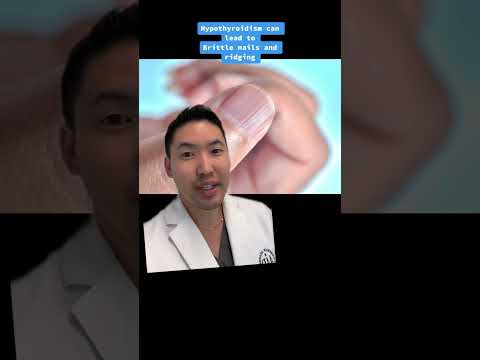
Have you ever noticed that your nails look a bit different than they used to? Perhaps they’re more brittle or have ridges. This might be a sign of a condition called onychorrhexis. It’s a fancy term for abnormal nail growth, characterized by split or brittle nails. Understanding this condition can help you take better care of your nails and overall health.
Onychorrhexis can stem from various causes, including nutritional deficiencies, trauma, or even exposure to harsh chemicals. It’s not just about aesthetics; our nails can reflect our internal health and well-being. By recognizing the symptoms early, you can take proactive steps toward improving nail strength and vitality.
Take the time to care for your nails as you would any other part of your body. Simple practices like moisturizing and avoiding harsh nail products can make a big difference.
However, it’s important to remember that while this information is helpful, it doesn’t replace professional advice. If you’re experiencing persistent issues with your nails, consider consulting with different specialists like dermatologists or nutritionists. Gathering information from credible sources helps ensure you’re making informed decisions about your health. Stay curious and proactive!
The information provided in this article is intended solely for general informational and educational purposes. It does not constitute medical advice, diagnosis or professional treatment, and should not be considered a substitute for consultation with a qualified doctor or other licensed healthcare professional. Any health-related decisions should be made in consultation with accredited medical professionals.
While efforts have been made to ensure the information is accurate and up to date, no guarantees are given—either express or implied—regarding its accuracy, completeness, currency or suitability. Use of this information is at your own discretion.
It is strongly recommended to consult official sources such as the NHS (National Health Service) or other recognised medical institutions before acting on any information contained on this website or article. Under no circumstances should professional medical advice be ignored or delayed due to content read here.
This content is of a general and informational nature only. It is not intended to replace individualised guidance from a healthcare professional or to establish any doctor-patient relationship. The publication of this information does not imply any professional responsibility, guarantee or obligation on the part of the author or this site.
Unraveling the Mystery Behind Brittle Nails
Brittle nails can be more than just a cosmetic issue. They may signal underlying health problems, specifically a condition called onychorrhexis. Understanding this can help you take better care of your nails.
Onychorrhexis is characterized by split or brittle nails that break easily. It’s often linked to various factors like age, nutrition, and environment. Knowing the causes is crucial in addressing the problem.
Here are some common causes:
Symptoms of brittle nails include visible splits, ridges, or peeling layers. If you notice these signs frequently, it might be time to pay closer attention.
Caring for your nails starts with knowing what they need. A balanced diet rich in vitamins and minerals supports nail health. Foods like eggs, nuts, and leafy greens can be beneficial.
Another important aspect is moisture. Just as skin benefits from hydration, so do our nails. Regularly applying moisturizer can prevent drying out and breaking.
Be cautious with nail products too. Some nail polish removers contain harsh chemicals that exacerbate brittleness. Opting for gentler alternatives can make a significant difference.
Lastly, it’s wise to protect your hands while doing chores. Wearing gloves when washing dishes or cleaning protects both your skin and nails from damaging agents.
Understanding brittle nails is about looking at the whole picture—nutrition, environment, and overall health. Being proactive in self-care helps promote stronger nails over time.
If brittleness persists despite lifestyle changes or becomes severe, consulting a healthcare provider might be necessary for further assessment and treatment options. Remember that healthy habits take time but are worth the effort!
Exploring the Surprising Factors Behind Brittle Nails
Brittle nails, or what’s medically known as onychorrhexis, can be frustrating. They often break or split easily. Understanding the reasons behind this condition can help you take steps to care for your nails better.
First, let’s talk about hydration. Just like our skin, our nails need moisture too. If you’re frequently washing your hands or using harsh chemicals without protection, your nails might suffer. This can lead to brittleness over time.
Nutrition is also a key factor. Certain vitamins and minerals play a crucial role in nail health. For example, biotin helps strengthen nails. If your diet lacks essential nutrients, it could contribute to weak nails.
Another surprising factor is age. As we get older, our bodies naturally produce less oil and moisture. This can make nails more prone to breaking and splitting.
Environmental factors shouldn’t be overlooked either. Exposure to cold weather can dry out your nails just as much as heat from indoor heating systems. Wearing gloves in extreme conditions might help maintain nail health.
Stress affects the body in many ways and nail health is no exception. Increased stress levels can lead to habits like nail-biting, further damaging your nails.
Some medical conditions may also play a role in brittle nails. For example, thyroid issues or psoriasis could be underlying causes that impact the strength of your nails.
Finally, remember that keeping up with basic nail care routines is essential. Regularly trimming and filing can prevent breaks before they happen.
In conclusion, understanding brittle nails requires attention to several areas: hydration, nutrition, age factors, environmental influences, stress management, medical conditions, and nail care practices. Each plays a part in how strong or weak your nails are.
If you’re concerned about persistent brittleness or other symptoms affecting your nails, consider speaking with someone who can provide personalized advice based on your needs.
Uncover the Hidden Secrets Behind Your Nails’ Unique Texture
Nails can tell us a lot about our health. The unique texture of your nails, like ridges or brittleness, may be linked to various conditions. One such condition is called onychorrhexis.
Onychorrhexis refers to split or brittle nails that often have a rough texture. This can happen for several reasons. Some of the common causes include:
When your nails are brittle, they may break easily or chip. You might notice that they look uneven or have visible ridges. These changes can affect how you feel about your nails; it’s normal to want them to look healthy and strong.
Proper care can help improve nail health. Here are some tips to consider:
Sometimes, onychorrhexis can be a sign of larger health issues. If you see persistent changes in your nails, it may be wise to talk to someone who understands these signs better.
Remember that everyone’s nails are different! It’s important not to compare yourself with others too much. Instead, focus on what works for you.
Learning about onychorrhexis helps us appreciate our bodies even more. By being aware of changes and taking proper care of our nails, we contribute to overall health and well-being. Keep an eye on those hidden secrets beneath the surface!
Understanding onychorrhexis can be a significant step toward promoting nail health and overall well-being. This condition, characterized by the presence of longitudinal ridges or splits in the nails, often reflects underlying health issues or external factors.
One major cause of onychorrhexis is physical trauma. Just like how a bump can leave a mark on your skin, repeated impact on your nails can lead to these visible changes. Environmental factors like exposure to harsh chemicals—think about how your skin reacts after using strong cleaning products—can also play a role.
Another aspect to consider is nutritional deficiencies. Nails are made of keratin, a protein that requires adequate nutrition for healthy growth. Lack of vitamins and minerals, particularly biotin and iron, can lead to weak, brittle nails.
Symptoms are generally straightforward: you may notice brittle nails with split ends or grooves. It’s essential to recognize these signs early because they may indicate broader health concerns.
Caring for nails requires attention to both external practices and internal health. Moisturizing regularly helps keep nails hydrated, much like applying lotion helps your skin stay soft. Eating a balanced diet rich in vitamins supports nail strength from within.
Ultimately, understanding the implications of onychorrhexis encourages proactive health measures. Regularly examining your nails and considering lifestyle factors can provide insights into your overall health—much like how one monitors other aspects of their well-being. Awareness is key; if you notice persistent changes in nail appearance, consulting a healthcare professional can provide guidance tailored to your situation.