
The information provided in this article is intended solely for general informational and educational purposes. It does not constitute medical advice, diagnosis or professional treatment, and should not be considered a substitute for consultation with a qualified doctor or other licensed healthcare professional. Any health-related decisions should be made in consultation with accredited medical professionals.
While efforts have been made to ensure the information is accurate and up to date, no guarantees are given—either express or implied—regarding its accuracy, completeness, currency or suitability. Use of this information is at your own discretion.
It is strongly recommended to consult official sources such as the NHS (National Health Service) or other recognised medical institutions before acting on any information contained on this website or article. Under no circumstances should professional medical advice be ignored or delayed due to content read here.
This content is of a general and informational nature only. It is not intended to replace individualised guidance from a healthcare professional or to establish any doctor-patient relationship. The publication of this information does not imply any professional responsibility, guarantee or obligation on the part of the author or this site.
Have you ever noticed that your nails seem more brittle than usual? Maybe they’ve started to look a bit ragged or thin. If so, you’re not alone. Many people experience similar nail issues, and one common condition is called onychorrhexis.
This term may sound a bit intimidating, but it simply refers to the condition of having split or brittle nails. It’s more common than you might think! Understanding the causes is essential for managing and treating this problem.
You see, various factors can contribute to onychorrhexis—everything from simple dietary deficiencies to environmental stressors. We’re going to dive into these causes and explore some effective treatments and care tips that can help improve your nail health.
Your nails are a reflection of your overall health, so paying attention to them matters. While this article provides valuable insights, it’s important to remember that it doesn’t replace professional medical advice. Always consult a healthcare provider for any specific concerns related to your health.
Uncovering Effective Solutions for Brittle Nails
Understanding Onychorrhexis
Brittle nails can be a real nuisance, can’t they? One common issue is something called onychorrhexis. This term might sound fancy, but it simply refers to brittle or split nails. You know, those nails that seem to break with the slightest pressure? It happens to a lot of people.
Causes of Onychorrhexis
So, what causes this condition? There are several factors at play. Sometimes it’s due to age; our nails naturally become weaker as we get older. Environmental factors like excessive exposure to water or harsh chemicals also contribute. If you frequently wash your hands or use cleaning products without gloves, well, your nails might suffer.
Nutritional deficiencies can be another culprit. Lack of essential vitamins and minerals, like biotin or zinc, can lead to brittle nails too. Stress is sneaky; it may even affect your nail strength over time.
Treatment Options
You might wonder what can be done about onychorrhexis. First off, keep your nails moisturized! A good hand cream or cuticle oil can work wonders for hydration. Regularly trimming your nails also helps by reducing the risk of splitting.
If you’re considering dietary changes, incorporating more whole foods rich in vitamins could be beneficial. This might mean loading up on fruits and vegetables or even taking a multivitamin—just a thought.
Nail Care Routine
A proper nail care routine can make all the difference. Avoid using your nails as tools; for example, don’t pry open lids with them! Wearing gloves when doing chores protects them from chemicals and excessive moisture.
- Keep your nails clean and dry.
- Use gentle nail polish removers without acetone.
- If polishing is in your routine, choose breathable formulas that allow moisture in.
When to Seek Help
If you notice that brittle nails come with painful symptoms or if they suddenly worsen, it’s wise to consult someone knowledgeable about it—it could signal an underlying health issue. Remember that while some treatments might help manage the symptoms better than others for different folks, finding what works best for you is key!
The Bottom Line
Brittle nails are common and often related to various factors like age, diet, and environmental influences. By understanding this condition and taking simple steps towards care—like moisturizing and protecting your hands—you may promote healthier-looking nails over time!
Unraveling the Mystery Behind Split and Brittle Nails
Understanding Split and Brittle Nails
Nobody likes looking at nails that are split or brittle. It’s frustrating, isn’t it? These nails not only look unsightly but can also hurt. Understanding why this happens is a good first step in tackling the problem.
What is Onychorrhexis?
Okay, so let’s break it down. Onychorrhexis is a fancy term for brittle nails that split or break easily. It’s not just one issue; it can be caused by several factors, from genetics to environmental stresses.
Causes of Brittle Nails
- Moisture Changes: Frequently exposing your hands to water—like during washing dishes—can weaken the nails.
- Nutritional Deficiencies: Lack of essential vitamins and minerals like biotin or iron might affect nail health.
- Aging: As we get older, our bodies produce less keratin, which helps keep nails strong.
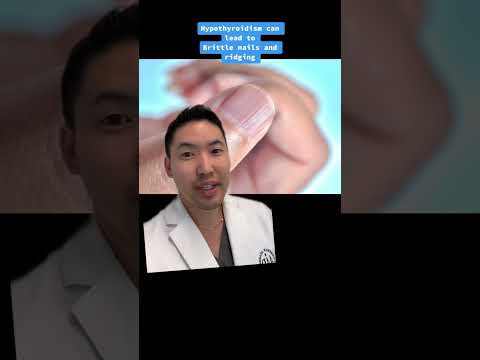
- Health Conditions: Some medical issues like thyroid problems can lead to changes in nail texture.
- Chemical Exposure: Frequent use of nail polish remover or harsh chemicals can weaken your nails too.
Treatment Options
If you find your nails splitting often, there are some steps you might consider. First off, a balanced diet rich in vitamins could help nourish your tiny talons. Look for foods high in omega fatty acids, like fish and nuts.
You could also think about using gentle soaps and avoiding harsh chemicals. Wearing gloves while doing housework is another simple strategy to keep them protected from damage.
If you’ve tried these measures without seeing much improvement, consulting a healthcare provider might be wise. They could identify underlying causes that might require specialized care or treatment plans tailored just for you.
Caring for Your Nails
Nail care isn’t all about fixing problems; it’s also about prevention! Keeping your nails trimmed and filed can prevent splits from happening at all. Regular moisturizing is key, too; dry nails are more likely to break!
- If you bite your nails: Try finding ways to break that habit—it only makes things worse!
- Avoid overuse of acrylics: These can enhance aesthetics but may weaken natural nails over time.
Simplifying Care Routines
You don’t have to do everything at once; small changes over time can lead to sturdier nails! Keeping track of what seems to help—and what doesn’t—is important too; everyone’s body reacts differently!
The journey towards healthier nails may take some patience but don’t worry—you’re certainly not alone in facing this small battle!
Simple Tips for Stronger, Healthier Nails
Understanding Onychorrhexis: Causes, Treatments, and Care
Nails can tell you a lot about your overall health. You ever notice how some people have really strong, beautiful nails? Then there’s onychorrhexis, which is a fancy term for having brittle nails that split easily. It can be frustrating. So, let’s break it down.
What Causes Onychorrhexis?
There are several reasons why nails might become weak and brittle. Sometimes, it’s due to environmental factors like exposure to harsh chemicals or frequent washing. Think about how often we use soap or cleaning products—those things can dry out our nails.
Deficiencies in certain vitamins or minerals can also play a role. For example, a lack of biotin (a B vitamin) may contribute to weaker nails. Stress is another sneaky factor; when we’re stressed out, it can show up in our nails as well.
Treatments and Home Remedies
If you’re dealing with onychorrhexis, there are ways to help strengthen your nails. First off, consider using a nail strengthener; many of these products aren’t expensive and are pretty easy to find at drugstores.
You might also want to keep your nails moisturized—just like your skin needs hydration. Some people swear by oils like almond oil or even good old-fashioned olive oil applied regularly.
Nail Care Tips
- Avoid excessive nail polish removers: Look for acetone-free versions if you must use them.
- Wear gloves: Protect your hands while doing dishes or using cleaning agents.
- Take breaks from polish: Let your natural nails breathe every now and then.
- Edit your diet: Include more leafy greens and nuts for better nail health!
When to Seek Help
If you’ve tried various remedies but still see no improvement after some time—or if you notice other symptoms like discoloration—it might be good to consult someone who knows more about this stuff.
The thing is, healthy lifestyle choices lead the way here too! Adequate hydration and balanced nutrition aren’t just great for your body; they make a difference for those fingernails too! Sometimes small changes really do make an impact.
Nail health isn’t just about looks; it’s an indication of how well you’re taking care of yourself overall. Just remember that every little step adds up! Treat yourself right and give those nails some love!
Understanding Onychorrhexis: Causes, Treatments, and Care
Onychorrhexis is a term that describes brittle nails characterized by ridges or splits. It’s one of those conditions that can seem minor but actually reflects underlying health concerns or lifestyle choices.
One of the main causes is trauma to the nails. You know how sometimes you bump your hand and it hurts? Repeated trauma can lead to onychorrhexis. Other factors include nutritional deficiencies—like not getting enough biotin or protein. Stress and environmental influences like harsh chemicals also play a role.
Treatment options often focus on nail care. Keeping nails trimmed and moisturized can help prevent further damage. Sometimes, topical treatments rich in proteins or vitamins are recommended to strengthen the nails.
However, addressing the root cause matters too. If it’s nutrition-related, improving your diet could make a big difference. Incorporating foods like eggs, nuts, and leafy greens might be beneficial.
Regular check-ups with a healthcare professional are also smart, especially if you’re noticing changes in your nails that concern you. They can provide tailored advice based on individual circumstances.
Ultimately, understanding onychorrhexis helps raise awareness of nail health as an indicator of overall well-being. Caring for our nails is not just about aesthetics; it’s about taking care of ourselves.

