The information provided in this article is intended solely for general informational and educational purposes. It does not constitute medical advice, diagnosis or professional treatment, and should not be considered a substitute for consultation with a qualified doctor or other licensed healthcare professional. Any health-related decisions should be made in consultation with accredited medical professionals.
While efforts have been made to ensure the information is accurate and up to date, no guarantees are given—either express or implied—regarding its accuracy, completeness, currency or suitability. Use of this information is at your own discretion.
It is strongly recommended to consult official sources such as the NHS (National Health Service) or other recognised medical institutions before acting on any information contained on this website or article. Under no circumstances should professional medical advice be ignored or delayed due to content read here.
This content is of a general and informational nature only. It is not intended to replace individualised guidance from a healthcare professional or to establish any doctor-patient relationship. The publication of this information does not imply any professional responsibility, guarantee or obligation on the part of the author or this site.
Have you ever wondered how birth control options work? You’re not alone. Many people find themselves puzzled by the various methods available. One option that often comes up is Ortho Evra, a patch that releases hormones to prevent pregnancy.
Understanding Ortho Evra can feel a bit overwhelming, though. This article will break down its uses, side effects, and potential interactions in simple terms. It’s important to know what you’re putting into your body and how it might affect you.
You might have questions about how effective it is, or what happens if you forget to change it on schedule. Trust me; these concerns are totally normal. Knowing the ins and outs of Ortho Evra can help you make informed decisions about your health.
Remember, while this information is helpful, it doesn’t replace advice from a healthcare professional. Making health decisions should be done in consultation with someone who knows your specific needs well.
So let’s dive right in and untangle the details of Ortho Evra together!
Uncovering the Hidden Impact of the Birth Control Patch on Your Body
Understanding the Birth Control Patch
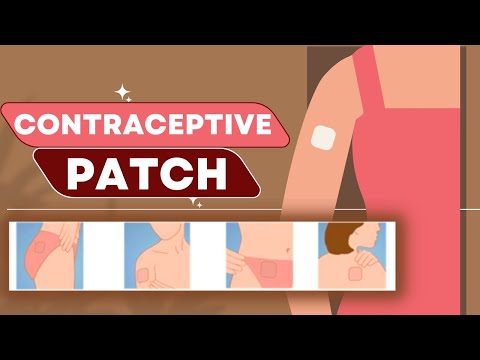
The birth control patch, often called Ortho Evra, is a transdermal contraceptive that’s applied to the skin. It releases hormones—estrogen and progestin—into your bloodstream to prevent pregnancy. You wear it on your skin for a week at a time. Pretty simple, right?
How Does It Work?
Think of the patch like a tiny medicine cabinet stuck to your skin. By releasing hormones consistently, it stops ovulation—that’s when your ovaries release eggs. No eggs means no chance for fertilization by sperm.
Besides preventing pregnancy, many people find it can also help with painful periods or regulate their cycle. But it’s not all sunshine and roses.
Possible Side Effects
- Nausea or headaches
- Sore breasts
- Mood swings
- Blood clots (though rare)
These side effects can vary from person to person. One person might feel fine while another feels kind of off. If you notice something weird after using the patch, it’s worth discussing with someone who knows about these things.
Interacting Factors to Consider
The birth control patch may not play nice with certain medications, like some antibiotics or antifungal drugs. These interactions can potentially lower the effectiveness of the patch in preventing pregnancy.
If you’re taking other meds or supplements, it’s good practice to check in about them before starting with the patch. Always better safe than sorry!
The Hidden Impacts on Your Body
While many people love how convenient patches are, they can impact different aspects of health too. Some users report changes in libido—sometimes more interest, sometimes less.
Your mood and emotional responses could shift as well due to hormone fluctuations; you might feel more irritable or sensitive during certain weeks of use.
Your Health History Matters
If you’ve had blood clots in the past or smoke cigarettes over 35 years old, this might not be an ideal option for you. Hormonal contraceptives can increase risks under certain conditions.
It’s always good to have an open chat about your personal health history before deciding if the birth control patch is right for you.
Your Takeaway
The birth control patch is a handy way to manage contraception but comes with its own set of considerations and potential impacts on your body. Like any other medication method, it’s crucial to personalize your choice based on how you respond and what works best for you.
Uncovering the Hidden Risks of the Evra Patch: What You Need to Know for Your Health
Understanding the Evra Patch
The Evra patch, also known as Ortho Evra, is a form of hormonal birth control. It’s a small adhesive patch that you stick on your skin. The patch releases hormones—estrogen and progestin—into your bloodstream. This helps prevent ovulation, which is when your ovaries release an egg.
How Does It Work?
When you wear the Evra patch, it releases hormones continuously. Think of it like a slow drip of medicine that keeps your hormone levels stable. You change the patch weekly for three weeks and then have a patch-free week during which you’ll usually get your period.
Potential Side Effects
No medication or method of birth control is without its side effects. Some common ones with the Evra patch include nausea, headaches, and breast tenderness. These might sound familiar if you’ve taken other hormonal contraceptives.
But there are more serious risks too. The patch can increase your chance of blood clots and deep vein thrombosis (DVT), especially in women who smoke or have other risk factors like obesity.
Who Should Be Cautious?
If you’re over 35 and smoke, you might want to think twice about using the Evra patch. Women with certain health conditions or a family history of blood clots should also discuss this option carefully with their healthcare provider.
Drug Interactions
The Evra patch can interact with some medications. For instance, certain antibiotics or anti-seizure drugs might lower the effectiveness of the patch. That means if you’re taking any medications regularly, be sure to mention these when discussing birth control options.
The Hidden Risks
It’s important to remember that not every woman will experience severe side effects, but being informed lets you make better choices for your health. Some studies suggest there’s an increased risk of breast cancer in young women using hormonal contraceptives long-term.
This doesn’t mean avoid using them entirely; rather be aware and stay informed about your options and follow up with regular check-ups.
Final Thoughts
Your health decisions should always involve weighing benefits against risks. The Evra patch can be effective for many women, but it’s not for everyone. Understanding how it works and potential side effects can help guide you to make an informed choice that’s right for you.
What You Need to Know Before Using Ortho Evra
Understanding Ortho Evra
So, let’s chat about Ortho Evra. It’s a birth control patch that releases hormones into your bloodstream to help prevent pregnancy. Simple, right? You wear it on your skin, and it works for about a week before needing a change.
How It Works
The patch contains estrogen and progestin, which are two hormones that work together. Think of it like this: estrogen helps prevent ovulation (that’s when an egg is released from the ovary), while progestin thickens the mucus in the cervix to block sperm from getting through. Pretty neat, huh?
Who Can Use It?
Ortho Evra is generally for women who want a reliable method of birth control without having to remember daily pills. However, it’s not suited for everyone. For instance, if you smoke and are over 35 years old or have certain health conditions, it might not be the best option.
Potential Side Effects
No medication is without its quirks! Some common side effects include headaches, nausea, or mood changes. Most are mild and tend to go away as your body gets used to the patch.
But there are some serious side effects too—like blood clots and strokes—which can be more likely if you have risk factors such as obesity or a family history of these issues. Always good to know these things!
Interactions with Other Medications
You know what’s important? Open communication with your healthcare provider about what other medications you’re taking. Some drugs can affect how well the patch works—like certain antibiotics or medications for seizures.
What To Keep in Mind
- If you forget to change the patch on time, follow the instructions provided on how to handle that situation.
- You should avoid wearing the patch if you’re pregnant or think you might be pregnant.
- If you experience severe side effects or have concerns after using Ortho Evra—reach out to someone knowledgeable!
A Final Thought
The thing is, every method of birth control comes with its own set of pros and cons; understanding them empowers you in making choices that fit your lifestyle better.
Understanding Ortho Evra: Uses, Side Effects, and Interactions
Ortho Evra is a birth control patch that releases hormones to prevent pregnancy. It’s pretty straightforward; you apply the patch to your skin, and it continuously delivers a mix of estrogen and progestin into your bloodstream.
Uses
This method primarily prevents ovulation. When you don’t ovulate, there’s no egg for sperm to fertilize. Beyond contraception, Ortho Evra may also help with regulating menstrual cycles and alleviating symptoms of conditions like polycystic ovary syndrome (PCOS).
Side Effects
Like any medication, Ortho Evra has potential side effects. Common ones include nausea, headaches, mood changes, or skin reactions at the site where the patch is applied. While many people do not experience serious issues, some might face more severe complications like blood clots.
Interactions
You’ve got to be careful with interactions as well. Certain medications can reduce the effectiveness of the patch. For example, some antibiotics or medications for seizures might interfere with how well Ortho Evra works. It’s always wise to have an open chat with a healthcare provider about any other drugs you’re taking.
This reflects how important it is to understand not only what a medication does but also its potential side effects and interactions with other substances. Knowledge empowers individuals in making informed choices regarding their health.