The information provided in this article is intended solely for general informational and educational purposes. It does not constitute medical advice, diagnosis or professional treatment, and should not be considered a substitute for consultation with a qualified doctor or other licensed healthcare professional. Any health-related decisions should be made in consultation with accredited medical professionals.
While efforts have been made to ensure the information is accurate and up to date, no guarantees are given—either express or implied—regarding its accuracy, completeness, currency or suitability. Use of this information is at your own discretion.
It is strongly recommended to consult official sources such as the NHS (National Health Service) or other recognised medical institutions before acting on any information contained on this website or article. Under no circumstances should professional medical advice be ignored or delayed due to content read here.
This content is of a general and informational nature only. It is not intended to replace individualised guidance from a healthcare professional or to establish any doctor-patient relationship. The publication of this information does not imply any professional responsibility, guarantee or obligation on the part of the author or this site.
Ever experienced a nagging pain in your lower abdomen and wondered what it could be? You’re not alone. Many people have felt that discomfort, often linked to their ovaries. It’s more common than you might think.
The thing is, ovary pain can stem from various causes. Some are mild and temporary, while others require a closer look. Understanding what’s happening in your body can be overwhelming but truly important for your health.
This article will explore seven common causes of ovary pain, the symptoms that might accompany them, and potential treatments you might consider. By the end, you’ll have a better grasp of what those aches could mean.
Remember though—this isn’t a replacement for professional medical advice. Health decisions should never be based solely on information found online. It’s crucial to consult a healthcare professional if you’re experiencing persistent pain or have concerns about your health.
So let’s dive into this topic together—it’s all about understanding your body better!
Unraveling the Mystery Behind Your Discomfort
Understanding Ovary Pain: 7 Causes, Symptoms, and Treatments
If you’ve ever felt discomfort in your lower abdomen, you might be wondering if it’s related to your ovaries. Pain in this area can feel quite confusing. Hey, it could be a lot of things! Let’s break it down together.
What Are the Ovaries?
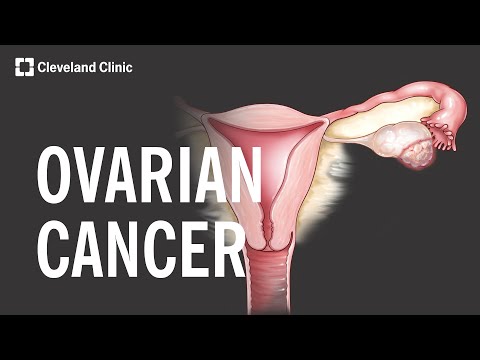
The ovaries are small, almond-shaped organs found on either side of the uterus. They play a crucial role in the female reproductive system by producing eggs and hormones like estrogen and progesterone. When they don’t function properly, discomfort may occur.
1. Ovulation Pain
Many women experience pain during ovulation—often called “mittelschmerz.” This is when an egg leaves the ovary. It usually feels like a sharp or crampy pain on one side of your lower abdomen and lasts a brief period. It’s pretty normal!
2. Ovarian Cysts
Cysts are fluid-filled sacs that can form on or within the ovaries. Most of the time they’re harmless and go away on their own. However, large cysts can cause pressure or discomfort and might even rupture, leading to sharp pain.
3. Endometriosis
This condition happens when tissue similar to the lining of the uterus grows outside it, often on the ovaries or fallopian tubes causing inflammation and chronic pain during your menstruation cycle. Many women don’t realize they have this until they experience severe symptoms.
4. Pelvic Inflammatory Disease (PID)
This infection affects a woman’s reproductive organs including the ovaries and can result from sexually transmitted infections like chlamydia or gonorrhea. PID can lead to fever, unusual discharge, and significant abdominal pain that may get worse over time.
5. Ectopic Pregnancy
An ectopic pregnancy occurs when a fertilized egg implants outside of the uterus—usually in a fallopian tube. This situation is serious since it can’t develop normally and could lead to internal bleeding if not treated right away!
6. Fibroids
These are noncancerous growths in or around the uterus that can cause pain pressure on surrounding organs including your ovaries; although many women won’t have symptoms at all! It’s common for those with fibroids to notice heavy periods or pelvic discomfort.
7. Other Causes
- Irritable Bowel Syndrome (IBS): Sometimes what feels like ovarian pain is actually digestive trouble.
- Painful Intercourse: This could indicate underlying issues with any reproductive organs.
- Pelvic Adhesions:: These scar tissues form due to surgeries or infections might also cause pain.
Symptoms You May Experience
The symptoms associated with ovarian discomfort vary widely based on what’s causing it but here’s what you might feel:
- Aching or sharp pain in lower abdomen
- Bloating
- Nausea
- Irrregular periods
- Pain during sex
- If you’re experiencing heavy bleeding consider seeking help sooner than later.
Treatments Available
Treatment depends mainly on what’s causing your ovarian discomfort; for minor issues like ovulation pain maybe some over-the-counter medications will help relieve symptoms while things like endometriosis may require hormonal therapies or even surgery . Always good idea talking with healthcare provider about options!
If you’re frequently experiencing this type of pain though? It’s smart to get checked out so you know what’s going on! Ignoring persistent problems usually doesn’t help them go away–the sooner you seek advice from someone knowledgeable about these issues ,the better you’ll understand how to manage any discomfort . So remember: you don’t have to suffer alone!
Understanding the Causes and Solutions for Discomfort in Your Right Ovary
Understanding Discomfort in Your Right Ovary
Feeling discomfort in your right ovary can be distressing. It’s essential to understand what might be causing it and when to seek help. Let’s break it down into simple parts.
Common Causes of Pain
There could be various reasons for having pain in your right ovary. One common cause is ovulation pain, also known as mittelschmerz. It’s like a little cramp that occurs when an egg is released from the ovary, usually around the middle of your menstrual cycle.
An ovarian cyst is another possibility. These are fluid-filled sacs that can develop on or within the ovary. Most cysts are harmless and go away on their own, but some can cause discomfort if they become large or rupture.
Endometriosis may also be at play. This condition happens when tissue similar to the lining inside the uterus grows outside of it, often affecting the ovaries and leading to significant pain during periods.
Pelvic inflammatory disease (PID) is an infection of the reproductive organs and can lead to sharp, sudden pains, particularly if not treated promptly. It’s often caused by sexually transmitted infections but can occur from other causes too.
Sometimes, pregnancy-related issues like ectopic pregnancy (when a fertilized egg implants outside of the uterus) can create intense pain on one side of the abdomen, including the right side where your right ovary is located.
Symptoms to Watch Out For
If you’re experiencing discomfort, pay attention to other symptoms that might occur alongside it. These could include:
- Nausea or vomiting
- Irrregular menstrual cycles
- Pain during intercourse
- Bloating or pressure in your lower abdomen
- A fever or chills, indicating possible infection
When To Seek Help
If your pain becomes severe or doesn’t improve over time, talking with a healthcare provider is wise. They might suggest imaging tests like an ultrasound to see what’s going on inside.
It’s always safer to get professional advice rather than assuming everything will just resolve by itself.
Potential Solutions
Treatments will depend on what’s causing your discomfort. If it’s due to a functional cyst or mild ovulation pain, over-the-counter medications like ibuprofen may help ease any cramping you feel.
Hormonal contraceptives may also regulate cycles and reduce cyst development for some individuals.
If you have endometriosis, there are specific medications designed that target this condition directly which can offer relief over time.
Sometimes surgery might even be mentioned if endometriosis or large cysts are present—it’s all about finding what suits you best!
The Importance of Self-Care
No matter what’s causing your discomfort in that area! Make sure you’re taking care of yourself through proper diet and enough rest. Stress management techniques can also do wonders for overall well-being and may ease some symptoms too.
You know? Understanding how our bodies work helps demystify these experiences we go through; but every person’s experience is unique! Always listen closely to what yours tells you.
Exploring the Causes and Solutions for Discomfort in Your Ovaries
Understanding Ovarian Discomfort
Feeling discomfort in your ovaries can be pretty unsettling, right? There are many reasons why you might feel pain or discomfort in this area. Let’s break it down a bit.
1. Ovulation Pain
Some people experience pain when they ovulate, a phenomenon called “mittelschmerz.” It’s kind of like a twinge or cramp on one side of your lower abdomen. Normally, this is just part of the cycle, but some might feel it more intensely than others.
2. Ovarian Cysts
Cysts are fluid-filled sacs that can form on the ovaries. Most are harmless and don’t cause symptoms. However, if they grow too large or burst, that can cause sharp pain or discomfort. Imagine it like a balloon getting too inflated—it might pop!
3. Endometriosis
This condition happens when tissue similar to the lining of the uterus grows outside it, often affecting the ovaries. This can lead to significant pain during your period or even at other times during the month.
4. Pelvic Inflammatory Disease (PID)
PID is an infection of the reproductive organs caused by sexually transmitted infections (STIs) or other bacteria. It can cause severe pelvic pain and may require treatment with antibiotics.
5. Ectopic Pregnancy
An ectopic pregnancy occurs when a fertilized egg implants outside the uterus, often in a fallopian tube. This situation isn’t just painful; it’s also very serious and needs immediate medical attention.
6. Fibroids
Fibroids are noncancerous growths in and around the uterus that can sometimes press against the ovaries and cause discomfort or even painful periods.
7. Other Reasons for Ovarian Pain
Pain could also stem from issues unrelated directly to ovarian health—things like digestive problems or urinary tract infections might mimic ovarian discomfort!
Treating Ovarian Discomfort
If you’re feeling persistent pain, talking to someone about it is important; be it friends family members, or healthcare providers—it helps! They may suggest various treatments depending on what’s causing your symptoms.
- Pain Relief: Over-the-counter medications like ibuprofen can help manage mild pain.
- Cysts Monitoring: Sometimes doctors watch cysts to see if they resolve on their own.
- Treating Infections: If PID is diagnosed, antibiotics will likely be prescribed to tackle any infection.
- Lifestyle Changes: Diet and exercise might help reduce some types of discomfort over time.
- Surgery: Rarely, surgery may be necessary for cysts, fibroids, or ectopic pregnancies—always under professional guidance!
The important thing here is not ignore persistent discomfort in your ovaries because early attention leads to better outcomes! It’s always worth discussing any unusual signs with someone who understands healthcare better than most friends do—even if they just have good listening skills!
Understanding ovary pain is important, as it can signal different health issues in women. Pain in this area can come from various causes, some of which are quite common.
First off, conditions like ovarian cysts are often a culprit. These fluid-filled sacs develop on the ovaries and can cause discomfort. Sometimes they resolve on their own, but other times they may need treatment.
Then there’s endometriosis. This is when tissue similar to the uterus lining grows outside of it, leading to severe pain during periods or even at other times.
Pelvic inflammatory disease (PID) is another cause. It’s an infection of the reproductive organs and can cause not just pain but also fever and unusual discharge.
Other reasons for ovary pain include ovarian torsion—the twisting of the ovary—and ectopic pregnancy where a fertilized egg grows outside the uterus. Both scenarios are medical emergencies.
Symptoms vary. They might include sharp or dull cramps, bloating, or changes in your menstrual cycle. If these symptoms appear suddenly or are severe, it’s crucial to seek medical attention.
Treatment options depend on the cause. For cysts or mild endometriosis, doctors might suggest monitoring or medication for relief. In cases like PID or torsion, antibiotics or surgery may be necessary.
Understanding these elements helps in recognizing when to seek help and ensures better management of symptoms which contributes greatly to overall well-being.