The information provided in this article is intended solely for general informational and educational purposes. It does not constitute medical advice, diagnosis or professional treatment, and should not be considered a substitute for consultation with a qualified doctor or other licensed healthcare professional. Any health-related decisions should be made in consultation with accredited medical professionals.
While efforts have been made to ensure the information is accurate and up to date, no guarantees are given—either express or implied—regarding its accuracy, completeness, currency or suitability. Use of this information is at your own discretion.
It is strongly recommended to consult official sources such as the NHS (National Health Service) or other recognised medical institutions before acting on any information contained on this website or article. Under no circumstances should professional medical advice be ignored or delayed due to content read here.
This content is of a general and informational nature only. It is not intended to replace individualised guidance from a healthcare professional or to establish any doctor-patient relationship. The publication of this information does not imply any professional responsibility, guarantee or obligation on the part of the author or this site.
Have you ever felt a sharp, jabbing pain shooting down your leg? If so, you might be dealing with sciatic nerve pain. This isn’t just about discomfort; it can really affect your daily life. You know how it is—simple tasks become a challenge when you’re in pain.
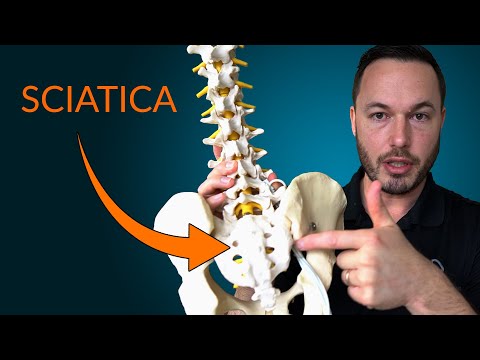
Sciatica occurs when something irritates or compresses the sciatic nerve, which runs from your lower back down through your legs. The causes can vary from a herniated disc to just sitting too long on the couch. It’s more common than you might think and can happen to anyone.
The good news is there are effective treatments out there. Whether it’s physical therapy, pain management techniques, or lifestyle changes, understanding what options are available gives you some power back over the situation.
This article will guide you through the causes of sciatic nerve pain and explore various treatment options. Just keep in mind that while this info is helpful, it doesn’t replace professional medical advice. Always consult a healthcare provider for personalized guidance on any health concerns.
Unraveling the Mystery Behind Your Discomfort
Understanding Sciatic Nerve Pain: Causes and Treatments
Hey, let’s talk about sciatic nerve pain. It’s that sharp, burning sensation that can shoot down your leg, right? If you’ve ever felt it, you know how uncomfortable it can be. So what exactly causes it?
The sciatic nerve is the longest nerve in your body. It runs from your lower back all the way down each leg. When something puts pressure on this nerve—like a herniated disc or bone spur—it can lead to pain and discomfort. Imagine sitting on a garden hose; the water can’t flow through properly. That’s a bit like how pressure affects the sciatic nerve.
Common causes of sciatica include:
- Herniated discs: These are cushions between vertebrae that can bulge out and press on nerves.
- Spinal stenosis: This is when the spinal canal narrows, putting pressure on nerves.
- Spondylolisthesis: A condition where one vertebra slips over another.
You might be wondering who gets sciatic pain? Actually, it’s not uncommon. It often occurs in people aged 30 to 50, especially if they have sedentary lifestyles or heavy lifting jobs. Even pregnancy can lead to this discomfort due to changes in weight and posture.
Signs You Might Have Sciatica
So how do you know if what you’re feeling is sciatica? Look for these signs:
- Pain that radiates from your lower back to one leg.
- Tingling or numbing sensations in the leg.
- Pain that worsens with prolonged sitting or standing.
If these sound familiar, it may be worth looking into treatment options. Now let’s look at some ways you can manage this pain without jumping straight to medications.
Treatments for Sciatica
The first thing many people try is physical therapy. A therapist can guide exercises that strengthen your back and improve flexibility—kind of like tuning a guitar for better sound! Stretching is also important since tight muscles contribute to tension on the nerve.
You might also consider heat or ice packs; they work wonders for soothing inflammation and relieving discomfort. Just remember, don’t apply them directly to your skin! Wrap them in a towel first—it’s safer that way.
If symptoms persist despite self-care measures, consult someone who specializes in spinal health. They might recommend different approaches like injections or even surgery as a last resort—only after other options are exhausted!
Avoiding Future Pain
Once you feel better, focus on preventing future flare-ups. Regular exercise helps keep muscles strong; think of it as building armor against pain! Maintaining good posture while sitting—especially if fixed at desks all day—is essential too.
A quick note about myths: some believe resting completely will solve everything—but too much bed rest could actually worsen symptoms! Balance activity with rest instead for recovery.
Final Thoughts
Sciatica isn’t just an annoying problem; it’s usually manageable with proper precautions and treatments we discussed above. If you’ve got questions about your specific case though—or experience worsening symptoms—it’s always smart talk with someone knowledgeable about spinal health!
Discover a simple technique to find relief and reclaim your comfort quickly
Understanding Sciatic Nerve Pain
Sciatic nerve pain can be pretty uncomfortable. It usually feels like a sharp or burning sensation that shoots down your leg. This happens when something irritates the sciatic nerve, which is the largest nerve in your body.
What Causes Sciatica?
There are several reasons you might experience sciatica. Common causes include a herniated disc, bone spurs, or spinal stenosis. Think of it like a garden hose; if something blocks the water flow, it creates pressure and causes discomfort. The sciatic nerve works similarly.
Recognizing Symptoms
You might feel pain not just in your lower back but also in your buttocks and legs. Some people describe sensations like tingling or numbness too. Imagine dropping an ice cube on your skin—that sudden chill is similar to how some might feel that numbness along the nerve pathways.
Simple Technique for Relief
If you’re looking for relief from mild sciatica, stretching can be helpful. One simple stretch involves lying on your back and pulling one knee toward your chest while keeping the other leg straight on the ground. It’s like giving yourself a gentle hug without actually using your arms!
- Stretch carefully: Don’t push yourself too hard; just go until you feel a good stretch.
- Breathe: Deep breathing can help relax those tight muscles around the nerve.
- Repeat: You might try this several times during the day.
Treatments Available
If stretching doesn’t do enough for you, other treatments could help. Physical therapy is often recommended to strengthen muscles around the spine and prevent future issues. You know how exercising builds muscle? Well, it also helps support those nerves!
Pain relief meds may also prove beneficial for some individuals experiencing sciatica symptoms. They work by reducing inflammation and relieving pain—similar to how icing an injury helps reduce swelling on a sprained ankle.
A Word of Caution
If you find that pain becomes severe or persistent, it’s smart to talk with someone who knows more about this stuff like a healthcare professional. Sometimes what seems minor could indicate something more serious happening behind the scenes.
Sciatica can be challenging, but understanding what’s going on is half the battle! By using simple stretches and being aware of how you’re feeling, you can take steps towards finding comfort again.
Uncovering the Hidden Triggers Behind Your Discomfort
Understanding Sciatic Nerve Pain: Causes and Treatments
Sciatic nerve pain can be a real pain, quite literally. It usually stems from issues with the sciatic nerve, which is the largest nerve in your body. It runs from your lower back down through your hips and buttocks into each leg. When something irritates or compresses this nerve, it can cause discomfort that feels like tingling, burning, or even sharp pain.
Causes of Sciatic Nerve Pain
There are several reasons why you might experience sciatic pain. One common culprit is a herniated disc. Picture your spine as a stack of jelly doughnuts. Sometimes, the jelly (or soft inner part) can push out through a tear in the doughnut (the tougher outer shell). This bulging material can press on nearby nerves.
Another reason could be spinal stenosis, which is kind of like a tunnel getting too narrow for traffic to pass. In your spine, as we age or due to certain health conditions, the space around the spinal cord can shrink, putting pressure on nerves like the sciatic one.
Muscle spasms in the gluteal region can also lead to irritation of the sciatic nerve. Think about how tight muscles can sometimes pinch nearby nerves—it’s annoying and painful.
Other Triggers to Be Aware Of
- Piriformis syndrome: This occurs when your piriformis muscle (located deep in the buttock) spasms and irritates the sciatic nerve.
- Poor posture: Slouching while sitting may lead to pressure on nerves over time.
- Injury: Any significant injury to your back or pelvis could affect how your nerves function.
Treatment Options
If you’re dealing with sciatica, there are many approaches you might consider for relief. Physical therapy is often recommended; think of it as training for your muscles so they support your spine better.
Over-the-counter pain relievers like ibuprofen or acetaminophen might help ease discomfort temporarily—just remember not to rely on them long-term without consulting someone who knows more about this stuff than I do.
- Stretching exercises can also help alleviate tension around that pesky nerve.
- Certain lifestyle changes—like maintaining a healthy weight—can reduce strain on your back as well.
If conventional methods don’t provide relief after some time, discussing other options with someone knowledgeable might be worthwhile. Sometimes interventions such as injections are used—or even surgery—in extreme cases where nothing seems to help at all.
A Quick Note About Prevention
You know what they say: an ounce of prevention is worth a pound of cure! Regular exercise that strengthens core muscles promotes stability in your spine. Also staying aware of good posture while sitting or lifting heavy objects is key; avoid bending at awkward angles!
Sciatica doesn’t have to control your life—understanding its triggers is half the battle won! Just remember that every person’s situation varies–what works for one doesn’t always work for another. Staying engaged with health professionals who understand these conditions better will give you more insights tailored specifically for you!
Understanding Sciatic Nerve Pain: Causes and Treatments
Sciatic nerve pain, often referred to simply as sciatica, is something many people experience at some point in their lives. It’s that sharp or burning sensation that travels from your lower back down through your buttocks and into your legs. Understanding this condition can be life-changing for those affected.
The sciatic nerve is the largest nerve in the body. It branches out from the lower back, running down each leg. When it gets compressed or irritated—often by a herniated disc, bone spur, or narrowing of the spinal canal—pain can ensue. Think of it like a garden hose: if something squishes it, water can’t flow properly. In this case, your pain signals get messed up.
Common causes include age-related wear and tear on the spine, injuries from sports or accidents, or even lifestyle factors like sitting too much. You know how sometimes sitting all day can leave you feeling stiff? That stiffness might contribute to sciatica over time.
Treatment options vary greatly depending on the severity of symptoms. Many people find relief with conservative methods first—like physical therapy or stretching exercises. Medications such as anti-inflammatories can also help reduce swelling and discomfort.
In more severe cases where these methods don’t work well enough, doctors might suggest interventions like steroid injections or even surgery to alleviate pressure on the nerve. It’s important to remember that every individual is different; what works for one person may not work for another.
So hey, if you think you might be dealing with sciatica, consult a healthcare professional to pinpoint what’s happening specifically for you and explore personalized treatment choices together. The journey toward relief starts with understanding your body better!