
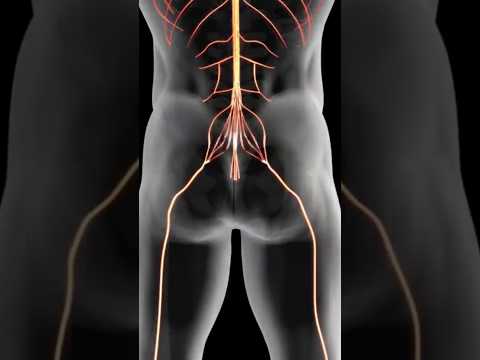
The sciatic nerve is the longest nerve in your body, running from your lower back all the way down to your feet. Imagine it as a major highway that carries signals between your brain and legs. When this nerve gets irritated or compressed, it can lead to pain or discomfort known as sciatica. Understanding its anatomy and location can make a big difference in how we manage this condition.
Visual aids, like diagrams, are invaluable for grasping where the sciatic nerve runs and how it interacts with other structures. They provide a clear picture of what’s happening inside our bodies. Once you know where this nerve is located, it becomes easier to understand problems related to it.
However, while diagrams can be helpful, remember that they don’t give the complete picture. It’s crucial to seek information from various specialists and trusted sources. Relying solely on one perspective may lead to misconceptions or incomplete understanding. Scouring through different mediums—books, articles, and conversations with professionals—will help you gain a well-rounded view of sciatic nerve health. Always be curious but cautious in acquiring knowledge!
The information provided in this article is intended solely for general informational and educational purposes. It does not constitute medical advice, diagnosis or professional treatment, and should not be considered a substitute for consultation with a qualified doctor or other licensed healthcare professional. Any health-related decisions should be made in consultation with accredited medical professionals.
While efforts have been made to ensure the information is accurate and up to date, no guarantees are given—either express or implied—regarding its accuracy, completeness, currency or suitability. Use of this information is at your own discretion.
It is strongly recommended to consult official sources such as the NHS (National Health Service) or other recognised medical institutions before acting on any information contained on this website or article. Under no circumstances should professional medical advice be ignored or delayed due to content read here.
This content is of a general and informational nature only. It is not intended to replace individualised guidance from a healthcare professional or to establish any doctor-patient relationship. The publication of this information does not imply any professional responsibility, guarantee or obligation on the part of the author or this site.
Exploring the Pathway of Pain: Understanding the Sciatic Nerve’s Structure and Function
The sciatic nerve is one of the largest nerves in the human body. It runs from your lower back down through your pelvis and into each leg. Understanding this nerve can help us grasp why pain can occur in various areas.
The sciatic nerve branches off from several spinal nerves, forming a large bundle. Think of it like a tree trunk with multiple branches spreading out. As it travels down, it splits into smaller nerves that reach the thigh, calf, and foot.
Functions of the Sciatic Nerve:
When something irritates or compresses this nerve, it can lead to sciatic pain. This often feels like a sharp pain that travels down one leg. Some describe it as tingling or numbness too.
A common cause of sciatic pain is a herniated disc in the spine. Imagine a jelly-filled donut; if the jelly leaks out, it can push against surrounding nerves causing discomfort.
Additionally, sitting for long periods can contribute to pressure on the sciatic nerve. Maintaining good posture and taking frequent breaks can help reduce this risk.
Other factors such as injury or conditions like arthritis may also play a role in sciatica. It’s essential to note that these situations are different for everyone.
Many people find relief through physical therapy or gentle exercises designed to strengthen core muscles and improve flexibility.
Although some might consider surgery for severe cases, most individuals respond well to conservative treatment options first.
Always remember that while understanding your body is important, consulting with professionals about your specific situation is crucial for proper advice and care.
Being mindful of what impacts your sciatic nerve can aid you in making better choices regarding movement and overall health.
Unraveling the Connections: Identifying the Nerves that Make Up the Sciatic Nerve
The sciatic nerve is a crucial part of our nervous system. It’s the longest and widest nerve in the body, stretching from the lower back down through each leg. Understanding its anatomy helps us appreciate how it functions and why some people experience pain or discomfort along its path.
The sciatic nerve originates in your lumbar region, specifically from the nerve roots of L4 to S3. These are segments of your spine that correspond to the lower back area. Think of it as a collection zone for these nerve roots.
Key components that form the sciatic nerve include:
These segments combine to create one large nerve. So when you hear someone talking about sciatica, they’re usually referring to issues involving this specific nerve and its branches.
As the sciatic nerve travels down your leg, it branches out into smaller nerves. These control movement and sensation in various parts of your leg and foot. Picture a tree with multiple branches—the trunk is the main sciatic nerve, while each branch serves a different area.
Common problems associated with the sciatic nerve include pain, numbness, or tingling sensations often due to compression or irritation. This might happen because of a herniated disc or spinal stenosis—conditions that can put pressure on these nerves.
Recognizing symptoms is important for understanding when to seek help. You might feel sharp pain in your lower back radiating down your leg or even weakness while trying to move.
Overall, learning about the connections that make up the sciatic nerve can empower you with knowledge about your body. While it’s good to know how these nerves work together, always consult with healthcare professionals regarding any concerns about pain or injury related to them.
In summary, knowledge is power when it comes to understanding our nervous system’s structure and function—especially something as significant as the sciatic nerve!
Discover the Distinct Causes and Symptoms That Set Each Type Apart
Understanding the sciatic nerve can help you grasp some common issues related to back pain. Sciatica isn’t just one thing; there are distinct types, each with unique causes and symptoms.
The sciatic nerve runs from your lower back down to your legs. When something presses on this nerve, it leads to sciatica. It’s like getting a pebble in your shoe—pain and discomfort follow.
Types of Sciatica:
Causes:
Symptoms vary by type but often include:
Diagnosing which type you’re dealing with usually involves a thorough history taken by a health ranger plus possible imaging tests. This helps pinpoint what’s happening inside.
It’s essential to remember that not every back pain is sciatica. Sometimes, other conditions can mimic those symptoms.
Always consult a medical professional if you’re unsure about your symptoms. They can provide guidance tailored to your specific situation.
Stay informed and take care of your body!
Understanding the anatomy and location of the sciatic nerve is crucial for both healthcare professionals and patients. The sciatic nerve is the largest nerve in the human body, branching from the lower spine and extending down through the buttock, thigh, and into the lower legs.
Diagrams play an essential role in this understanding. They visually represent complex structures, making them easier to comprehend. Through clear illustrations, we can identify key landmarks and understand how they interconnect.
Recognizing where the sciatic nerve runs helps in diagnosing related conditions, like sciatica. Symptoms such as pain, tingling, or weakness often stem from irritation or compression of this nerve.
Moreover, proper knowledge aids in treatment decisions. Whether it’s physical therapy or surgical intervention, understanding this anatomy guides practitioners in their approach.
In summary, visual tools like diagrams enhance our grasp of sciatic nerve anatomy. This knowledge empowers both patients and healthcare providers to make informed decisions about managing pain or discomfort linked to this critical structure.

