The information provided in this article is intended solely for general informational and educational purposes. It does not constitute medical advice, diagnosis or professional treatment, and should not be considered a substitute for consultation with a qualified doctor or other licensed healthcare professional. Any health-related decisions should be made in consultation with accredited medical professionals.
While efforts have been made to ensure the information is accurate and up to date, no guarantees are given—either express or implied—regarding its accuracy, completeness, currency or suitability. Use of this information is at your own discretion.
It is strongly recommended to consult official sources such as the NHS (National Health Service) or other recognised medical institutions before acting on any information contained on this website or article. Under no circumstances should professional medical advice be ignored or delayed due to content read here.
This content is of a general and informational nature only. It is not intended to replace individualised guidance from a healthcare professional or to establish any doctor-patient relationship. The publication of this information does not imply any professional responsibility, guarantee or obligation on the part of the author or this site.
Have you ever sneezed uncontrollably while strolling through a field or a park? It’s not just seasonal allergies; you could be dealing with ragweed. It’s surprising, but ragweed pollen can travel for hundreds of miles, causing trouble for many unsuspecting individuals.
Ragweed allergy is more common than you think. Millions suffer from symptoms like sneezing, itchy eyes, and runny noses each fall when this weed releases its pollen. If you’re feeling miserable or wondering why your allergy meds aren’t working, you’re not alone.
This article dives into the nitty-gritty of ragweed allergies, from symptoms to effective treatments that can help you find relief. Understanding what triggers your discomfort can empower you to take control and improve your daily life.
But remember, while this information is designed to help guide you, it doesn’t replace professional medical advice. It’s always smart to consult with a healthcare provider before making any decisions about your health.
Understanding the Hidden Struggles of Allergy Season
Understanding Ragweed Allergy
Allergy season can be rough, and ragweed is often a major player. It’s like that annoying friend who shows up uninvited and overstays their welcome. Ragweed pollen is prevalent in late summer and fall, affecting millions of people.
What Are the Symptoms?
When you’re allergic to ragweed, your body reacts to its pollen as if it were a harmful invader. This can lead to typical allergic symptoms.
- Nasal congestion or runny nose.
- Itchy eyes or throat.
- Sneezing fits.
- Coughing and wheezing in some cases.
For some folks, these symptoms might feel mild, while for others they can really disrupt daily life. You know, it’s kind of like having a cold that just won’t go away.
How Does It Happen?
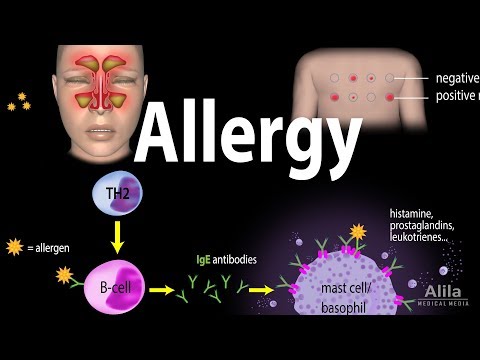
Your immune system is always on guard, searching for things that shouldn’t be there. When it detects ragweed pollen, it releases histamines—chemicals that cause those pesky allergy symptoms. Think of histamines as alarm bells ringing loudly; your body overreacts even when there’s no real danger.
Treatments Available
Tackling ragweed allergy means managing symptoms rather than getting rid of the allergens entirely. There are several options to consider:
- Over-the-counter antihistamines: These help block histamines and relieve sneezing or itching.
- Nasal corticosteroids: They reduce inflammation in the nasal passages, making it easier to breathe.
- Allergy shots (immunotherapy): This long-term treatment gradually desensitizes your immune response to allergens over time.
Lifestyle Tips
You can also make changes in your lifestyle to ease symptoms. For example:
- Avoid going outside during peak pollen times—usually mornings and windy days.
- Keeps windows closed during allergy season to minimize pollen indoors.
- If you have pets, bathe them often since they may carry pollen inside from outdoors.
Myths About Allergies
This might surprise you: many people think allergies only happen in spring with blooming flowers; that’s not true! Ragweed can release its pollen until frost hits in fall. Another common misconception is that allergies get worse with age—not necessarily; they can actually improve or change over time!
The Bottom Line
The reality with ragweed allergies can be frustrating. Understanding your triggers helps you prepare better for allergy season ahead. And while there’s no magic remedy out there, managing your environment and knowing what treatments are available makes a big difference.
If you’re struggling too much with seasonal allergies it may be worth discussing with someone who knows about health options available for allergy management. That way you don’t have to face it alone!
Breathe Easy This Allergy Season with Effective Solutions
Breathe Easy This Allergy Season
Allergy season can be really tough, especially if you’re sensitive to ragweed pollen. It blooms in late summer and remains a nuisance through fall. The thing is, knowing more about ragweed allergies can help you manage your symptoms better.
What Are the Symptoms?
So, how do you know if you have a ragweed allergy? Common symptoms include sneezing, itchy eyes, runny or stuffy nose, and coughing. Sometimes people might even experience headaches or fatigue. You know that feeling when you just can’t seem to catch your breath? That’s also pretty common.
Identifying Ragweed
Ragweed plants grow in lots of places—you’ll often find them in fields, along roadsides, or even in your backyard. They create tiny pollen grains that are carried by wind for long distances. Surprisingly, just one ragweed plant can produce billions of pollen grains during its short life cycle.
Effective Treatments
No one wants those pesky allergies ruining their day! Over-the-counter antihistamines are one option many people consider first. These medications reduce symptoms by blocking histamine, which is the chemical responsible for allergic reactions.
Nasal sprays can also work wonders by reducing inflammation inside your nose. There are steroid nasal sprays that require a prescription but are super effective if used correctly. It’s like having a mini shield against allergens!
Allergy Shots
If your allergies are severe and consistent year after year, allergy shots could be an option worth considering. These work by gradually desensitizing your immune system to allergens over time—a process called immunotherapy.
Natural Remedies
You might hear about natural remedies too! Some folks swear by local honey or certain herbal supplements for relief. While they sound appealing—it’s good to remember that these aren’t always scientifically proven solutions.
Avoiding Allergens
Prevention is key! Staying indoors on days when pollen counts are high can make a big difference. You could check local forecasts for pollen levels before heading out. If you do step outside, wearing sunglasses may help keep some of that pollen out of your eyes.
The Big Picture
Your experiences with allergies this season don’t have to be overwhelming! With the right knowledge and strategies at hand—managing those ragweed allergy symptoms becomes much easier.
If problems persist or worsen—reach out to someone knowledgeable who can offer personalized advice based on your specific circumstances!
Navigating Your Plate Amidst Sneezes: What to Skip for Relief
When it comes to ragweed allergies, many folks might not realize that food choices can play a role in how you feel. So, let’s dive into what to think about when you’re trying to find relief.
Understanding Ragweed Allergies
Firstly, ragweed pollen can trigger symptoms like sneezing, runny nose, or itchy eyes. These signs show up especially during late summer and fall when the pollen is at its peak. You know how some flowers make you sneeze? Well, ragweed is a big culprit.
The Connection Between Foods and Allergies
It’s interesting that certain foods may cause similar allergic reactions in people with ragweed allergies. This happens because some proteins in these foods are similar to those in ragweed. It’s like your body gets confused and reacts as if the pollen is there too!
Foods to Watch Out For
- Banananas: Some people find that bananas can trigger their symptoms because of protein similarities.
- Cucumbers: These crunchy treats can also cause issues for sensitive individuals.
- Zucchini: While delicious in many dishes, zucchinis might create discomfort for some.
- Melons: Watermelon and cantaloupe often provoke symptoms too.
- Ambrosia: The mix of fruits including apples and pears may not sit well with everyone who has this allergy.
If you’re sneezing your head off during allergy season, pay attention to these foods—especially if you’re eating them regularly. Keeping a food diary might help identify patterns between what you’re consuming and how you feel after meals.
Keeps it Simple: Elimination Diets
If you suspect certain foods are causing trouble, an elimination diet could be helpful. This means removing specific foods from your diet for a few weeks and then slowly adding them back one at a time. Just remember—tracking symptoms is key!
Treating Ragweed Allergies
Your doctor might suggest antihistamines or nasal sprays for immediate symptom relief. These medications work by blocking histamines—substances that cause allergy symptoms in your body.
.Of course, staying indoors on high pollen days helps too! Watching the weather report or using a weather app might help you navigate those sneezy days better.
A Balanced Approach
Navigating through this tricky landscape of food choices amidst sneezes looks daunting at first glance but bear with it! Remember balance is essential; just focusing on what to avoid isn’t enough. Ensuring that you’re still getting nutritious meals while being mindful of allergens is crucial too!
.Always consider reaching out for support from nutritionists or healthcare providers who understand allergies well when you need more tailored advice—sometimes it’s helpful talking things out with someone familiar!
Understanding Ragweed Allergy: Symptoms and Effective Treatments
Ragweed allergy is a common issue, especially in late summer and early fall. Many people don’t realize that ragweed pollen can travel hundreds of miles, making exposure likely even for those away from its source. The symptoms can range from mild to severe, often impacting daily life.
Typical symptoms include sneezing, nasal congestion, runny nose, itchy eyes, and fatigue. These reactions occur because the immune system mistakenly identifies ragweed pollen as a harmful substance. This results in the release of chemicals like histamine, causing those pesky allergy symptoms you might be familiar with.
There are a few routes for treatment. Over-the-counter antihistamines can help alleviate symptoms by blocking the action of histamine. Nasal sprays are another option and sometimes provide quicker relief by reducing inflammation directly in the nasal passages.
If symptoms are particularly troublesome or persistent, consulting with a healthcare provider could lead to prescription medications or even allergy shots—also known as immunotherapy. This approach gradually desensitizes your immune system to allergens over time and can provide long-term relief.
In day-to-day life, avoiding exposure when pollen counts are high is key. Keeping windows closed during peak season or using air purifiers at home may also help reduce symptoms.
Overall, understanding ragweed allergy is important for managing it effectively. Addressing it head-on not only helps improve quality of life but also empowers individuals to make informed decisions about their health.