The information provided in this article is intended solely for general informational and educational purposes. It does not constitute medical advice, diagnosis or professional treatment, and should not be considered a substitute for consultation with a qualified doctor or other licensed healthcare professional. Any health-related decisions should be made in consultation with accredited medical professionals.
While efforts have been made to ensure the information is accurate and up to date, no guarantees are given—either express or implied—regarding its accuracy, completeness, currency or suitability. Use of this information is at your own discretion.
It is strongly recommended to consult official sources such as the NHS (National Health Service) or other recognised medical institutions before acting on any information contained on this website or article. Under no circumstances should professional medical advice be ignored or delayed due to content read here.
This content is of a general and informational nature only. It is not intended to replace individualised guidance from a healthcare professional or to establish any doctor-patient relationship. The publication of this information does not imply any professional responsibility, guarantee or obligation on the part of the author or this site.
Have you ever watched a child take a tumble and worried about their bones? It’s a common fear for parents and caregivers. Kids are often active, exploring the world, but that comes with its share of accidents. One of the concerns that might arise is something called a Salter-Harris fracture.
These fractures involve the growth plate in children and teenagers, which is crucial for bone development. Understanding them can help you identify the symptoms early on. The earlier they’re treated, the better the recovery!
This article dives into what Salter-Harris fractures are, why they matter, and how to spot them. We’ll discuss their types and symptoms so you know what to look out for if an accident happens.
It’s important to note that while this information aims to inform you, it should never replace professional medical advice. Always consult with a qualified healthcare provider when it comes to health concerns.
Now let’s take a closer look at these fractures and how they impact growing bones!
Understanding Growth Plate Fractures in Children and Adolescents
Growth plate fractures can be a bit scary for parents, right? These fractures are common in kids and teens because their bones are still developing. The growth plates, which are areas of cartilage located at the ends of long bones, are where bone growth happens.
Essentially, think of growth plates as the “construction sites” for bones. When an injury occurs to these sites, it can affect how the bone grows later on. That’s why it’s important to understand these types of fractures!
What are Salter-Harris Fractures?
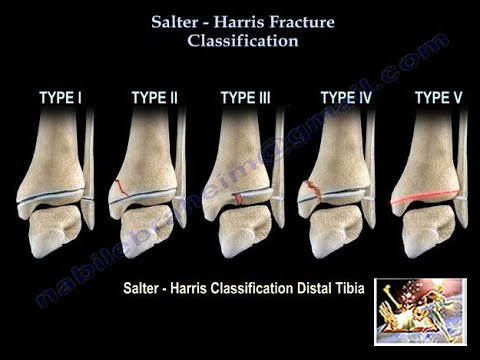
Salter-Harris fractures specifically involve the growth plate. They’re categorized into five different types based on how severely they damage the bone and cartilage. Each type has unique features:
- Type I: This is a complete fracture through the growth plate.
- Type II: This one includes the growth plate and some metaphysis (the wider part of a long bone).
- Type III: Here, it damages the epiphysis (the end part of a long bone) and growth plate.
- Type IV: This involves both epiphysis and metaphysis along with the growth plate.
- Type V: This type is more about crush injuries to the growth plate itself.
If you notice swelling or pain in your child’s limb after a fall or injury, that could be a sign of a fracture. Sometimes there might be limited movement too.
Treatment Options
Treatment largely depends on what kind of fracture it is. For minor cases like Type I injuries, rest and immobilization might just do the trick. More serious ones could require casts or surgery to help realign the bones properly.
The goal with any treatment is to ensure that normal bone development resumes as soon as possible. It’s worth mentioning that timely intervention can make all the difference here!
Caring for Your Child During Recovery
Your child might need some extra care while healing. Make sure they follow doctor recommendations regarding rest and activity levels. Keeping them comfortable and helping manage pain can be essential during recovery.
The good news? Most kids heal from these fractures really well! It may take time, but often they go back to their usual activities without major issues afterward.
A Final Word
You know, understanding this topic isn’t just about knowing what happens physically; it’s also about being there emotionally for your child during this time. Growth plate fractures may sound daunting but with proper care they often heal just fine!
Understanding Salter-Harris Fracture Type 2: A Closer Look at Growth Plate Injuries
Understanding Salter-Harris Fracture Type 2
Salter-Harris fractures are a specific kind of bone break that happens in children, affecting the growth plate. The growth plate is like a soft spot on the ends of long bones, and it helps kids grow taller as they develop. When you hear “Salter-Harris type 2,” it’s really about how this fracture interacts with that important growth area.
What is a Salter-Harris Type 2 Fracture?
This type of fracture goes through the growth plate and into the bone above it, but not below. It’s like if you took a pencil and broke it in a way that part of it was still attached to the eraser (the growth plate), while breaking through the wood above. This can be serious because any damage to the growth plate might affect how your bone grows.
Symptoms
So, what would you notice if someone has this type of fracture? Well, there’s usually pain at the site of injury. Kids might be reluctant to move that body part or may even cry when it’s touched. Swelling and bruising often happen too. Sometimes they might not want to walk or use their arm as usual.
Certain Risk Factors
These fractures tend to happen in active kids who might engage in sports or rough play, so parents should always be mindful during those activities! Falling from heights or accidents while playing are common causes.
Treatment Approaches
Treating a Salter-Harris type 2 fracture generally involves immobilization—think of braces or casts—to keep everything stable while healing occurs. Sometimes surgery may be needed depending on how bad the break is and if it’s properly aligned.
The Importance of Early Diagnosis
Catching these fractures early is crucial because mismanagement could lead to problems with bone development later on. If there’s any doubt after an injury, getting an x-ray can help clarify things.
- Avoid delays: If symptoms persist for more than a few days without improvement, consult a healthcare provider.
- Follow-up care: Regular check-ups ensure proper healing according to your child’s unique needs.
- Watch activty levels: Gradually increasing activities post-injury will help strengthen muscles again.
- Nurturing approaches: Applying ice packs and over-the-counter pain meds can provide immediate comfort after an injury—but always talk with someone who understands medical concerns!
The Road Ahead After Healing
Once healed, children typically return to their normal activities without lasting issues if treated right away—this is super important for their well-being! But remember some mild side effects might still occur like stiffness for awhile as they get back into their routines.
Misperceptions About Growth Plates
A common myth is that all growth plate injuries lead to stunted growth; that’s not true at all! Most kids heal just fine with appropriate treatment without long-term complications.
This journey can seem daunting at times! But understanding fractures like Salter-Harris type 2 gives caregivers insight into handling those bumps along the way—literally!
Navigating Recovery and Healing for Growing Bones
When kids break their bones, it’s often a bit more complicated than just patching up an adult’s fracture. One common way doctors classify these breaks in children is through something called Salter-Harris fractures. Let’s dive into what that means.
What Are Salter-Harris Fractures?
Simply put, Salter-Harris fractures are injuries that involve the growth plate in bones, which is super important for bone development. The growth plate, or epiphyseal plate, is the area where new bone cells form. When this gets injured, it can affect how a child’s bones grow.
Types of Salter-Harris Fractures
- Type I: This type happens when the fracture goes right through the growth plate. Luckily, it usually heals well.
- Type II: Here, the fracture includes part of the growth plate and extends into the bone above it. It’s pretty common and generally has a good prognosis.
- Type III: This one goes through the growth plate and into the joint surface below it. These can be tricky because they might lead to joint problems later on.
- Type IV: This type crosses both the growth plate and involves both bone sections—above and below—making healing more complex.
- Type V: This is when there’s a compression injury to the growth plate without any visible fracture line. It might not show up on X-rays but can still cause issues with bone development.
The Role of Growth Plates
You know how trees have rings that show their age? Well, our bones kinda do something similar with growth plates. They help bones lengthen as kids grow taller. That’s why when they get injured, especially during those growing years, there could be long-term effects if not treated well.
Recognizing Symptoms
A child with a Salter-Harris fracture might complain about pain near their joints or have trouble showing weight on that limb—like limping around instead of running free! Sometimes there’s swelling or bruising too.
Treatment Approaches
The key thing with these fractures is catching them early so proper care can kick in. Doctors might use casting or even surgery in severe cases to align everything correctly.
The Healing Process
This isn’t just about getting rid of pain; it’s also about ensuring that growing bones heal properly so they stay strong later in life. Depending on the type of fracture and how bad it was initially, recovery time will vary quite a bit!
Caring for Young Patients
If you’re helping a child who’s healing from one of these fractures, keeping them comfortable is vital. Fun distractions like books and movies can help them feel less anxious while they’re resting up!
A Word About Follow-Up Care
No matter what type of fracture happened—a follow-up appointment isn’t something to skip! Doctors want to make sure everything’s healing as expected so kids won’t deal with any surprises down the road.
You see? Bone healing isn’t just about fixing what’s broken; it’s also about looking out for future health! Understanding these complexities helps parents feel better equipped to support their little ones during recovery!
Understanding Salter-Harris Fractures: Symptoms and Types
Salter-Harris fractures are a unique concern in pediatric medicine. They specifically involve the growth plate, or physis, of children’s bones. Why does this matter? Well, the growth plate is crucial for bone growth. Injuries here can lead to complications in a child’s development if not addressed correctly.
There are five types of Salter-Harris fractures, each classified by the extent of the injury to the growth plate:
- Type I: This is an injury that occurs right through the growth plate. It usually heals well since there’s no damage to surrounding bone structures.
- Type II: Here, part of the bone above the growth plate is also affected. This is common and generally has a good prognosis.
- Type III: In this case, there’s a fracture through both the growth plate and below it into the joint surface. It’s serious but treatable.
- Type IV: This type goes through all three layers: above, through, and below. It needs careful management to prevent long-term issues.
- Type V: This involves crushing of the growth plate itself. It can have significant implications for future bone growth and requires careful observation.
The symptoms often mimic those of other fractures—pain, swelling, bruising—but specifics depend on location and severity. Children may struggle with movement or exhibit tenderness at the site of injury.
Treatment varies based on type but commonly involves immobilization or surgery for more complex cases. Here’s where timely diagnosis matters; missed injuries can lead to serious consequences down the line.
This reflection reinforces how vital it is for healthcare professionals to understand these fractures fully—not just their treatment but also long-term implications on a child’s health and development. Awareness can greatly improve outcomes in young patients with these specific injuries.