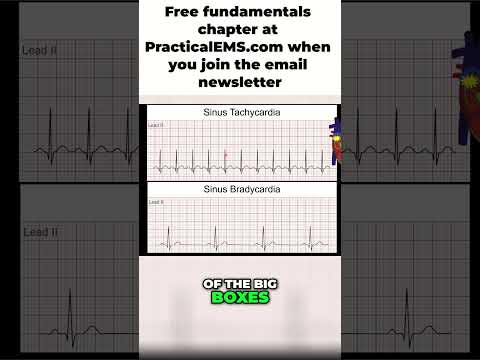
Sinus tachycardia is a term that might sound intimidating, but it simply refers to an increase in your heart rate that’s often quite normal. Just like when you sprint to catch a bus, your heart speeds up to supply more oxygen to your muscles. But what happens when that acceleration becomes a concern? Understanding sinus tachycardia involves exploring its causes, symptoms, and the care needed to manage it effectively.
Imagine your body as a well-tuned orchestra. When everything is working harmoniously, the music flows beautifully. But if one section plays too fast or out of sync—like the heart racing faster than usual—it can create dissonance in the symphony of your well-being. By learning about this condition and its triggers, you can become more attuned to your health.
However, be cautious! Sinus tachycardia can sometimes signal underlying issues that need attention. It’s essential to seek information from various sources and healthcare professionals rather than relying solely on one perspective. Consult different specialists and explore reliable media sources for a comprehensive understanding of sinus tachycardia. Staying informed empowers you to make educated decisions about your health with confidence and clarity.
The information provided in this article is intended solely for general informational and educational purposes. It does not constitute medical advice, diagnosis or professional treatment, and should not be considered a substitute for consultation with a qualified doctor or other licensed healthcare professional. Any health-related decisions should be made in consultation with accredited medical professionals.
While efforts have been made to ensure the information is accurate and up to date, no guarantees are given—either express or implied—regarding its accuracy, completeness, currency or suitability. Use of this information is at your own discretion.
It is strongly recommended to consult official sources such as the NHS (National Health Service) or other recognised medical institutions before acting on any information contained on this website or article. Under no circumstances should professional medical advice be ignored or delayed due to content read here.
This content is of a general and informational nature only. It is not intended to replace individualised guidance from a healthcare professional or to establish any doctor-patient relationship. The publication of this information does not imply any professional responsibility, guarantee or obligation on the part of the author or this site.
Simple strategies to ease racing hearts and find relief
Experiencing a racing heart can be unsettling. It’s known as tachycardia, and while it happens occasionally to many people, understanding how to manage it can help you feel more in control.
First, let’s talk about what sinus tachycardia is. It’s a type of fast heartbeat that originates from the heart’s natural pacemaker, or sinus node. This can be triggered by factors like stress, caffeine, dehydration, or even fever.
Here are some simple strategies to help ease that racing heart:
Sometimes people mistake symptoms of tachycardia for something more serious. If you experience dizziness, shortness of breath, or chest pain along with a rapid heartbeat, it’s important to seek help.
It’s also helpful to keep track of when these episodes happen. Note any patterns related to activities or food intake so you can discuss them later if necessary.
Remember that everyone’s body reacts differently. What works well for one person may not work as effectively for another.
Always listen to what your body is telling you and don’t hesitate to consult someone if you have ongoing concerns about your heart health!
Unraveling Symptoms: A Clear Guide to Distinguishing POTS from IST
When it comes to heart-related conditions, two terms often come up: POTS and IST. Many people get confused between these two. Understanding their symptoms can help you make informed decisions about your health.
POTS stands for Postural Orthostatic Tachycardia Syndrome. It’s a condition where the heart races significantly when a person stands up. The body struggles to regulate blood flow, leading to a variety of symptoms.
On the other hand, IST refers to Inappropriate Sinus Tachycardia. This condition is characterized by a fast heart rate at rest or with minimal exertion without other apparent reasons.
Key symptoms of POTS include:
In contrast, IST symptoms may include:
One way to think about POTS is that it’s about how your body reacts when you change positions—like dancing at a party and feeling dizzy afterward. IST doesn’t depend on position; it feels like your heart is racing even when you’re just relaxing on the couch.
Another difference lies in triggers. People with POTS might find that heat, dehydration, or prolonged standing makes symptoms worse. With IST, stress or certain physical activities can lead to increased heart rates.
It’s important to remember that both conditions require proper evaluation by a health professional for accurate diagnosis and management.
If you ever experience these symptoms consistently, consider seeking help from someone knowledgeable in these areas. Understanding what you’re facing is crucial for taking steps toward better health.
Overall, distinguishing between POTS and IST can empower individuals in managing their symptoms and discussing them effectively with healthcare providers. Stay informed and prioritize your wellbeing!
Exploring Everyday Challenges and Personal Triumphs with a Racing Heart
When we think about our heart, we often picture it as a steady drum, keeping us in rhythm with life. But what happens when that beat speeds up unexpectedly? This is where sinus tachycardia comes into play.
Sinus tachycardia is when the heart beats faster than usual, typically over 100 beats per minute. This can be perfectly normal in some situations, like during exercise or when feeling anxious. Think of it like your heart getting excited and working harder to keep up with your body’s needs.
However, sometimes this racing heart can occur without any clear reason. It might catch you off guard and lead to concerns about your health. Understanding the causes is step one.
It’s useful to recognize how sinus tachycardia feels. You might notice palpitations or a fluttering feeling in your chest. Some people experience dizziness or lightheadedness, especially if their heart is racing for extended periods.
While this condition often isn’t dangerous on its own, it’s important to care for yourself if you’re experiencing frequent episodes.
Think about self-care.
Finding ways to relax through deep breathing exercises or mindfulness can help calm that racing heartbeat. Limit caffeine and stay hydrated; both play a role in how our hearts function.
If symptoms persist, it’s wise to seek guidance from someone who understands these matters better. They can help determine if there’s an underlying issue needing attention.
Finally, remember to be kind to yourself during these moments of discomfort. Life is full of ups and downs, but being informed empowers you to make thoughtful decisions about your health journey.
Understanding conditions like sinus tachycardia not only helps in managing them but also allows us to appreciate our bodies’ responses during everyday challenges and personal triumphs.
Understanding sinus tachycardia is crucial for both individuals and healthcare providers. Sinus tachycardia is a condition where the heart beats faster than normal, typically exceeding 100 beats per minute, due to various factors.
This increased heart rate can be a response to physical activity, emotions, or stress. However, it may also indicate underlying health issues such as anemia, hyperthyroidism, or dehydration. Recognizing these causes helps in effective management and care.
Symptoms often include palpitations, dizziness, or fatigue. It’s essential to pay attention to how you feel during these episodes. While occasional episodes are usually harmless, persistent or symptomatic tachycardia warrants medical attention.
Care involves addressing the underlying causes and could include lifestyle changes such as hydration and stress management. In some cases, medication may be necessary. Understanding individual triggers can empower people to take charge of their health while ensuring they seek appropriate care when needed.
Overall, being informed about sinus tachycardia enhances awareness and promotes better health decisions. It encourages proactive conversations with healthcare professionals about heart health and overall well-being.