The information provided in this article is intended solely for general informational and educational purposes. It does not constitute medical advice, diagnosis or professional treatment, and should not be considered a substitute for consultation with a qualified doctor or other licensed healthcare professional. Any health-related decisions should be made in consultation with accredited medical professionals.
While efforts have been made to ensure the information is accurate and up to date, no guarantees are given—either express or implied—regarding its accuracy, completeness, currency or suitability. Use of this information is at your own discretion.
It is strongly recommended to consult official sources such as the NHS (National Health Service) or other recognised medical institutions before acting on any information contained on this website or article. Under no circumstances should professional medical advice be ignored or delayed due to content read here.
This content is of a general and informational nature only. It is not intended to replace individualised guidance from a healthcare professional or to establish any doctor-patient relationship. The publication of this information does not imply any professional responsibility, guarantee or obligation on the part of the author or this site.
Have you ever heard that up to 20% of known pregnancies end in a loss during the first trimester? It’s a surprising number, right? For many, the term “spontaneous abortion” can feel overwhelming or even scary.
This article breaks down what spontaneous abortion really means—often referred to as a miscarriage. We’ll explore the symptoms, causes, and how to find support during such a difficult time. Understanding this experience can be crucial for anyone facing it or those close to them.
You may have questions swirling around in your mind. Like, is it normal? What could have caused it? And most importantly, how do I cope with the emotional fallout?
It’s okay to feel confused and saddened by these thoughts. You’re not alone. Many people experience similar feelings when navigating this topic. Remember, this information is meant to help you understand and gather knowledge but isn’t a substitute for professional medical advice. Always consult a healthcare professional when making decisions about your health.
Let’s dive into this topic together with compassion and clarity.
Understanding the Risks in Early Pregnancy
Early pregnancy can be both exciting and nerve-wracking. There’s so much happening in those first few weeks, and it’s important to understand the risks involved, especially around spontaneous abortion, commonly known as miscarriage.
What is Spontaneous Abortion?
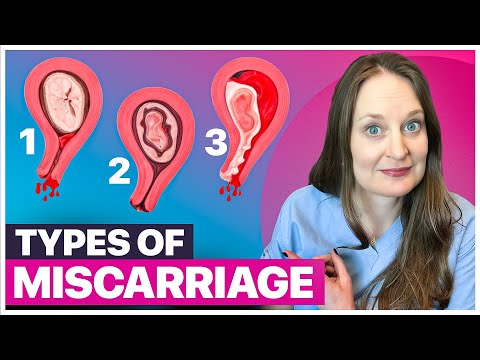
A spontaneous abortion refers to a pregnancy that ends on its own before the 20th week. It might sound scary, but it’s actually more common than you might think. In fact, around 10-20% of known pregnancies end this way.
Symptoms to Watch For
The symptoms often include vaginal bleeding, cramping, or fluid discharge from the vagina. If these happen—especially if they’re accompanied by pain—it’s a good idea to speak with someone who can help you navigate it.
Causes of Miscarriage
You know, while it can feel personal or like something went wrong that you could’ve controlled, many miscarriages occur due to factors out of anyone’s hands. Most commonly, they are linked to chromosomal abnormalities—think of it like receiving a set of playing cards that just don’t fit together right.
- Chromosomal issues: These affect how cells grow and develop.
- Hormonal imbalances: Conditions like polycystic ovary syndrome (PCOS) can play a role here.
- Anatomical problems: Sometimes abnormalities in the uterus can contribute too.
The Role of Age
A woman’s age matters when talking about miscarriage rates. As women get older—particularly after age 35—the risk tends to increase. It’s all part of natural aging processes affecting egg quality among other factors.
Lifestyle Factors
Certain lifestyle choices may also influence pregnancy outcomes. Smoking and excessive alcohol consumption aren’t great for anyone trying to conceive or who are already pregnant. Think about it: would you want your body exposed to harmful substances during such a fragile time?
If It Happens: Support Matters
If someone experiences a miscarriage, emotional support is crucial. Processing grief isn’t simple; many people find comfort in simply talking about their experience with friends or support groups who understand what they’re going through.
- Your feelings matter: It’s okay to feel sad or confused; you’re not alone in this.
- Coping strategies: Journaling or creative activities may lighten some emotional burdens.
The Importance of Regular Check-Ups
No matter what happens early in pregnancy, regular check-ups are super important. They help monitor health and development throughout the journey—whether it’s ongoing worries or just ensuring everything is moving along as expected.
Final Thoughts
Navigating early pregnancy involves understanding potential risks like spontaneous abortion and knowing that there are supportive resources out there if needed. Each experience is unique so it’s vital to stay informed but also give yourself grace as things unfold naturally!
Understanding the Signs You Might Experience in the First Weeks of Pregnancy
The first weeks of pregnancy can feel like a whirlwind. You might notice some changes in your body that can be confusing or alarming. It’s totally normal to have questions and uncertainties during this time.
One common sign you might notice is missed periods. Your menstrual cycle usually tells you when to expect your period, and if it’s late, it could be one of the earliest signs of pregnancy. Think of it like your body’s way of sending you a little message.
Nausea and Morning Sickness
Nausea, often called morning sickness, is another sign many people encounter. It can happen at any time, not just in the morning. Some people feel queasy at certain smells or foods they usually love. Imagine feeling car sick even when you’re not in a car—it’s kind of like that!
Breast tenderness may also pop up early on. They might feel sore or swollen as hormonal changes take place. Just think about how they sometimes hurt before your period, but this time it sticks around as you adjust to pregnancy.
Fatigue and Mood Swings
Feeling tired? You’re definitely not alone! Fatigue can hit hard early in pregnancy due to hormonal shifts that are preparing your body for growing a baby. It’s like running a marathon while carrying extra weight.
Mood swings are common too; one moment you’re happy, and the next, you’re crying over a silly commercial! Hormones are largely responsible for this rollercoaster ride of emotions.
Spotting and Cramping
You might experience light spotting or cramping as well; this can happen when the embryo implants into your uterus—a process called implantation bleeding. It’s generally lighter than a menstrual period but might catch you off guard!
If you’re worried about cramps or spotting intensifying, reach out to someone who knows more about these things—it’s always better to be safe than sorry!
Understanding Spontaneous Abortion: Symptoms, Causes, and Support
Now let’s talk briefly about spontaneous abortion or miscarriage; it’s important to know that many pregnancies end this way without any warning signs or clear reasons why it happens.
Common symptoms include heavy bleeding and severe abdominal pain—much stronger than typical cramping you’d normally experience with periods. If these symptoms occur, seeking support from loved ones is essential.
Coping with Loss
If someone experiences a miscarriage it can be emotionally difficult—grieving is natural and okay! Surrounding yourself with understanding friends or family may help.
- Talk: Sharing feelings with others who understand could lift some weight off your shoulders.
- Taking Time: Remember that healing takes time; don’t rush yourself through those emotions.
- Counseling: Sometimes talking with someone trained to help can offer unique perspectives on grief.
Your Body Knows Best
Your body goes through changes during pregnancy that are sometimes unexpected but entirely normal. If ever in doubt about what you’re experiencing should definitely reach out for advice tailored specifically for you! It’s important to take care of yourself—emotionally and physically—as this journey unfolds.
Understanding the Unexpected Triggers Behind Early Pregnancy Loss
Hey, let’s talk about something that can be really difficult to discuss: early pregnancy loss, sometimes called spontaneous abortion. It can feel overwhelming, and it’s important to know you’re not alone in this.
What is Spontaneous Abortion?
Spontaneous abortion refers to a pregnancy that ends on its own within the first 20 weeks. It happens in about 10-20% of known pregnancies. Sounds scary, right? But it’s really more common than people realize.
Common Symptoms
You might notice some symptoms like bleeding or cramping. However, these symptoms don’t always mean a loss is happening. Sometimes they can happen in normal pregnancies too. It’s all about context.
Causes You May Not Expect
- Chromosomal Abnormalities: This is one of the most common causes. It means there might be an issue with the baby’s genetic material that prevents proper development.
- Hormonal Imbalances: Hormones are like the body’s messengers. If they’re off-balance, it can affect pregnancy viability.
- Uterine Issues: Structural problems in the uterus can interfere with implantation and growth.
- Lifestyle Factors: Things like smoking, heavy alcohol use, or drug abuse can increase risks too.
- Maternal Health Conditions:This includes things like uncontrolled diabetes or thyroid issues which could pose risks during pregnancy.
The Emotional Impact
Coping with early pregnancy loss isn’t just a physical challenge; it’s emotional as well. Many feel a sense of loss that’s hard to put into words. It’s completely normal to grieve this experience.
The Importance of Support
If you’ve experienced an early pregnancy loss, reaching out for support can make a huge difference. Talking to friends or joining support groups helps many find comfort and understanding from those who’ve been through similar experiences.
Myths Worth Debunking
A lot of misconceptions float around regarding what causes these losses. For instance, many believe stress is a primary cause—while stress isn’t ideal for overall health, research doesn’t link it directly to spontaneous abortion.
Your Next Steps
If you’re concerned about your reproductive health or have experienced a loss, think about contacting a healthcare provider for personalized advice and steps moving forward. It’s always okay to ask questions!
No one wants to think about these triggers when planning for a family but understanding them helps us embrace the complex nature of conception and gestation.
Remember: you’re not alone on this journey.
Understanding Spontaneous Abortion: A Reflection
Spontaneous abortion, often referred to as a miscarriage, is a deeply emotional experience for many. The term describes the natural loss of a pregnancy before the 20th week. It’s important to recognize that this is not uncommon—around 10 to 20 percent of known pregnancies end in spontaneous abortion.
The symptoms usually include vaginal bleeding and cramping. These signs can be distressing, and it’s crucial for individuals experiencing them to seek medical advice. Early intervention can help manage physical health and emotional well-being.
As for causes, they range widely from chromosomal abnormalities—which are errors in the baby’s genetic material—to hormonal issues or anatomical problems within the uterus. Understanding these causes can sometimes provide comfort, as many occur outside of anyone’s control.
Support during this time is vital. Friends, family, and healthcare providers play essential roles in helping individuals navigate their feelings of grief and loss. Connecting with support groups can also be beneficial; sharing experiences often brings healing.
Ultimately, understanding spontaneous abortion is about empathy and information. Acknowledging that this experience affects so many people helps normalize conversation around it. It’s crucial for society to foster an environment where such discussions are open and supportive.