The information provided in this article is intended solely for general informational and educational purposes. It does not constitute medical advice, diagnosis or professional treatment, and should not be considered a substitute for consultation with a qualified doctor or other licensed healthcare professional. Any health-related decisions should be made in consultation with accredited medical professionals.
While efforts have been made to ensure the information is accurate and up to date, no guarantees are given—either express or implied—regarding its accuracy, completeness, currency or suitability. Use of this information is at your own discretion.
It is strongly recommended to consult official sources such as the NHS (National Health Service) or other recognised medical institutions before acting on any information contained on this website or article. Under no circumstances should professional medical advice be ignored or delayed due to content read here.
This content is of a general and informational nature only. It is not intended to replace individualised guidance from a healthcare professional or to establish any doctor-patient relationship. The publication of this information does not imply any professional responsibility, guarantee or obligation on the part of the author or this site.
Have you ever found yourself facing a tough decision about your health? You’re not alone. Many people grapple with choices regarding pregnancy, and understanding the options can feel overwhelming.
One option that’s often discussed is the abortion pill, also known as medication abortion. This method has become an important choice for many seeking to manage their reproductive health. But what exactly does it involve? And what are the implications for your health?
This article aims to clarify what the abortion pill is, how it works, and what you can expect during the process. We’ll break down medical abortion in a straightforward manner, so you feel informed and empowered.
It’s crucial to note that this content isn’t a substitute for professional medical advice. Health decisions shouldn’t solely rely on articles like this; always consult your healthcare provider for personalized guidance.
Taking control of your reproductive choices is important, and being informed is the first step. Let’s dive deeper into understanding these options together.
Understanding the Chances of a Safe and Effective Early Choice
Making decisions about pregnancy can be really tough, and often, people feel overwhelmed. One option that some consider is using the abortion pill for early medical abortion. Let’s break down what that means and how it works.
What is the Abortion Pill?
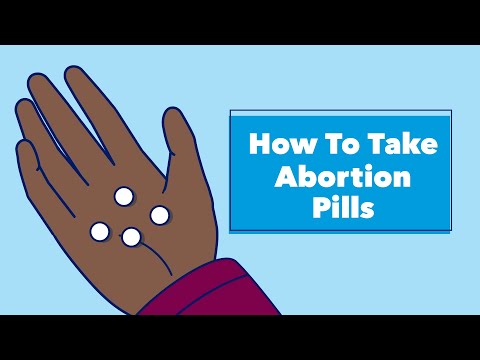
The abortion pill is actually a combination of two medications, mifepristone and misoprostol. Mifepristone is taken first; it blocks the hormone progesterone, which is necessary for pregnancy to continue. Then, usually within 24 to 48 hours after taking mifepristone, misoprostol is used to cause contractions that help expel the pregnancy from the uterus.
How Effective Is It?
The effectiveness of this method depends on how far along the pregnancy is. If it’s taken within the first 10 weeks of gestation, studies suggest that it’s about 95% effective in ending a pregnancy. That said, some factors like individual health or how well someone follows instructions can play a role too.
What Should You Expect?
People often wonder what happens during this process. After taking the second pill (misoprostol), cramping with bleeding typically starts within a few hours but can take up to a few days in some cases. The bleeding may be heavier than a normal period and could last for several days to weeks.
Side Effects to Keep in Mind
Like any medication, there are possible side effects. These can include nausea, vomiting, diarrhea, dizziness or fatigue. Also, it’s not uncommon to experience strong cramps during this time—it’s your body working through things.
When To Seek Help
If you experience extreme pain or heavy bleeding (soaking through two or more pads an hour for two hours), it’s important to seek help right away. Serious complications are rare but they can occur so don’t hesitate if something feels off.
Counseling and Support
This decision isn’t just about medical procedures; emotional support matters too! Many find it helpful talk things over with friends or family who understand their feelings.
Counseling services before and after can also provide guidance tailored to individual situations.
A Personal Choice
The choice about whether or not to use these methods ultimately lies with each person facing an unplanned pregnancy—and it’s different for everyone involved. Awareness of options helps individuals make informed decisions that suit their circumstances best.
Misinformation Matters
A lot of myths float around concerning abortion pills—like they’re dangerous or lead hugely severe consequences without real basis in fact! Discussing concerns with trusted health professionals helps challenge false narratives while creating safe spaces for conversations around this topic.
So make sure you’re getting information from reliable sources! It can empower you while navigating these personal choices together with your support system.
Understanding the Diverse Options and Perspectives on Abortion
Understanding the Abortion Pill
The abortion pill is a method used to terminate an early pregnancy. It’s typically used within the first ten weeks of gestation. The process usually involves two medications: mifepristone and misoprostol.
Here’s how it works: Mifepristone blocks a hormone called progesterone, which is necessary for the pregnancy to continue. After taking this pill, a few days later, you take misoprostol, which causes contractions and helps expel the pregnancy from the uterus.
Medical Abortion Options
Aside from the abortion pill, there are other medical options as well. These can include surgical procedures like suction aspiration or dilation and curettage (D&C). These methods might be recommended depending on how far along the pregnancy is or personal circumstances.
- Suction Aspiration: Involves using a suction device to remove tissue from the uterus.
- D&C: This method scrapes out the uterine lining and can be used for both miscarriage management and abortion.
The Experience of Using Medication
Using the abortion pill can be an emotionally charged experience. Many women report feeling relief after knowing they have options. Others may feel sadness or mixed emotions; these feelings are completely valid and common.
The physical process often includes cramping, bleeding, nausea, or fatigue—it’s kind of like having a heavy period but usually more intense. Most people find that their bodies handle this quite well over time.
Accessibility and Support
Your access to abortion pills may vary based on where you live. Some countries have strict regulations while others offer wider availability through clinics or telehealth services. It’s crucial to know your local laws surrounding abortions to make informed decisions.
If you’re considering this option, seek support from trusted friends or family members who can provide comfort during this time. Many organizations also offer counseling services if needed—you’re definitely not alone in this journey.
Misinformation Around Abortion
There’s a lot of noise out there about abortions that can add confusion, right? Some myths claim that medical abortions are incredibly dangerous or lead to long-term health problems; however most research shows they’re safe when done under proper care.
It’s always good to verify information with reliable sources before making any decisions about your health.
The Bottom Line
Understanding your options regarding abortion is key in making informed choices about your body and future plans. Whether you choose medical or surgical methods depends on various factors like personal preference, how far along you are in your pregnancy, and medical advice.
Ultimately, it’s about what’s right for you—and there’s no single “perfect” choice when it comes to such profound personal decisions.
Your Essential Resource for Understanding Medical Abortion Options
When it comes to medical abortion, many people wonder about their options. The main method involves using medication, often referred to as the “abortion pill.” But what does that really mean? Let’s break it down.
What is a Medical Abortion?
A medical abortion is a way to end a pregnancy using pills, rather than surgery. Generally, this method works well for pregnancies that are up to 10 weeks along. It’s all about providing more privacy and comfort during the process.
The Abortion Pill Explained
The abortion pill actually refers to two different medications: mifepristone and misoprostol. The first pill, mifepristone, blocks the hormone progesterone. This hormone is crucial for maintaining pregnancy. Without it, the lining of the uterus starts breaking down.
After taking mifepristone at a clinic or healthcare provider’s office, you usually go home and take misoprostol hours or days later. This second pill causes the uterus to contract and expel its contents.
How Does It Feel?
You might be wondering what it feels like when going through this process. Many people experience cramping and bleeding—much like a heavy period. Each person’s experience can differ greatly; some might feel more discomfort than others, which is totally normal.
Where Can You Access These Options?
Accessing these medications depends on where you live. In many places like health clinics or doctor’s offices provide them after confirming your pregnancy status and understanding your medical history.
- Planned Parenthood: A trusted resource for sexual health services.
- Your Local Health Department: May offer support and information on options available in your area.
Misinformation Around Medical Abortion
This topic can also be surrounded by myths or misunderstandings which sometimes lead people to feel confused or scared. For example, some think that taking these pills causes severe harm long-term; however that’s not supported by evidence when taken correctly under supervision.
The Importance of Guidance
If you’re considering a medical abortion, seeking guidance from healthcare professionals can be valuable. They’ll give you accurate info tailored specifically for your situation and help address any concerns you may have regarding side effects or emotional impact afterward.
A Few Takeaway Points
- A medical abortion uses medication without surgical intervention.
- This process generally involves two medications taken at different times.
- You should consult providers to ensure you’re informed about all possible options available in your area.
If you find yourself in need of support during this time—don’t hesitate! There are numerous resources available aimed at assisting those navigating through this life event with care and understanding!
Understanding the abortion pill and medical abortion options is essential in today’s healthcare discussions. Medical abortion, using pills like mifepristone and misoprostol, can be a safe choice for many individuals during early pregnancy.
The process involves taking two different medications. First, mifepristone blocks the hormone progesterone, which is necessary for pregnancy. Then, misoprostol induces contractions to help expel the pregnancy tissue. It’s kind of like how your body naturally goes through a miscarriage, albeit that varies from person to person.
It’s crucial to have accurate information about these options. They are generally considered safe when taken under proper medical guidance. However, it’s important to consult with healthcare providers who can give personalized advice based on an individual’s health and circumstances.
A lot of misconceptions exist around this topic—some might think that medical abortions are unsafe or lead to severe complications. In reality, serious complications are rare but can occur with any medical procedure. Knowing what to expect helps reduce anxiety and fears related to the process.
Access to support systems also plays a significant role here. Those seeking an abortion should feel empowered to ask questions and seek clarity on their experiences—it’s their right!
In reflecting on this topic, it’s clear that being informed leads to better decision-making for anyone navigating these difficult choices.