The information provided in this article is intended solely for general informational and educational purposes. It does not constitute medical advice, diagnosis or professional treatment, and should not be considered a substitute for consultation with a qualified doctor or other licensed healthcare professional. Any health-related decisions should be made in consultation with accredited medical professionals.
While efforts have been made to ensure the information is accurate and up to date, no guarantees are given—either express or implied—regarding its accuracy, completeness, currency or suitability. Use of this information is at your own discretion.
It is strongly recommended to consult official sources such as the NHS (National Health Service) or other recognised medical institutions before acting on any information contained on this website or article. Under no circumstances should professional medical advice be ignored or delayed due to content read here.
This content is of a general and informational nature only. It is not intended to replace individualised guidance from a healthcare professional or to establish any doctor-patient relationship. The publication of this information does not imply any professional responsibility, guarantee or obligation on the part of the author or this site.
Have you ever felt like your body is playing tricks on you? Many women dealing with unexplained pain or heavy periods might relate to that feeling. Endometriosis affects millions, yet it remains widely misunderstood.
Stage 4 endometriosis is the most severe form of this condition. It can cause intense symptoms and significantly impact daily life. But what exactly does that mean for those living with it?
This article will break down the symptoms of stage 4 endometriosis and discuss how to navigate care options. We’ll touch on what the experience is like, why awareness matters, and how to effectively manage the condition.
Your journey is valid, and understanding your health is crucial. Knowledge empowers you to have meaningful conversations with healthcare providers. Remember, this information isn’t a substitute for professional medical advice—always consult a healthcare professional before making decisions about your health.
Let’s dive in together and shed some light on this silent struggle many face.
Understanding the Journey and Future for Those Affected
Understanding Stage 4 Endometriosis: Symptoms and Care
Stage 4 endometriosis is the most severe form of this condition. It involves widespread tissue growth beyond the uterus. This can lead to serious pain, infertility, and affect various organs.
What are the symptoms?
Honestly, symptoms can vary widely from person to person. Some common signs include:
- Intense pelvic pain, which is often worst during menstrual periods.
- Pain during or after sex.
- Pain with bowel movements or urination, especially during your period.
- Heavy bleeding or bleeding between periods.
- Fatigue, diarrhea, constipation, bloating, and nausea.
This sounds pretty overwhelming right? It’s important to remember that not everyone will experience all these symptoms. Some may have mild symptoms at first but then see things escalate over time.
Diagnosis: How do we find out?
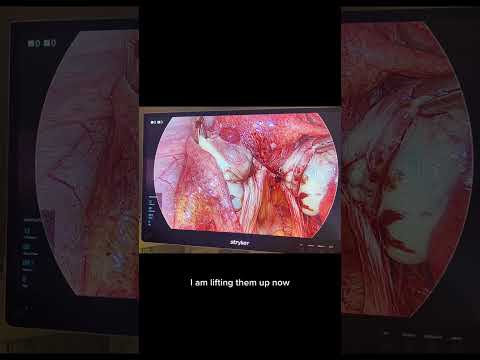
A diagnosis often takes time. Doctors usually start with a physical exam and a discussion of your medical history. They may recommend imaging tests like ultrasounds or MRIs to look for cysts related to endometriosis. However, the only way to confirm it is through a laparoscopy—a minor surgery that allows doctors to see inside your abdomen.
Treatment options available
Treatment can vary depending on how severe things are and what symptoms you’re experiencing. Pain relief often starts with over-the-counter meds like ibuprofen or stronger prescriptions when needed. Hormonal therapies can also help manage growth and lessen pain by regulating or stopping menstruation.
If hormone treatments don’t work and pain continues being an issue, some might need surgery to remove as much endometrial tissue as possible. In some cases where fertility is a concern, discussing options like in vitro fertilization (IVF) could be beneficial too.
Coping strategies
Lifestyle changes might also make a difference in managing symptoms. Regular exercise and maintaining a healthy diet can help some people feel better overall. Stress management techniques like yoga or meditation may reduce pain perception as well—sometimes just taking time for yourself really matters.
The road ahead
The journey with stage 4 endometriosis doesn’t have a one-size-fits-all path.. Many individuals find support groups helpful for sharing experiences and advice on dealing with challenges that arise each day.
A good healthcare team will be vital in navigating this condition moving forward! Keep open lines of communication about any concerns you have while exploring treatment options together
A hopeful perspective
I know it feels tough now but there’s hope! Research continues into better understanding endometriosis and improving treatments available for those affected by it.
So please stay informed—the more you understand about yourself and your body,the better equipped you’ll be navigating this journey ahead!
Understanding the Serious Risks and Challenges of Advanced Endometriosis
Understanding Advanced Endometriosis
Okay, so let’s talk about endometriosis. It’s a condition where tissue similar to the lining inside the uterus grows outside of it. Sounds complicated, right? Well, think of it like weeds in a garden; they can spread and cause trouble for the healthy plants.
What is Stage 4 Endometriosis?
Stage 4 is the most severe form of endometriosis. At this stage, we see extensive growth of endometrial-like tissue. This means there can be larger cysts on the ovaries and more adhesions, which are bands of scar tissue that can form between organs.
You might be wondering what those adhesions do. Basically, they stick organs together when they shouldn’t be. It’s like if you’ve ever tried to pull apart two pieces of tape that got stuck together—frustrating, right?
Symptoms to Watch For
The symptoms can vary widely among individuals but may include:
- Painful periods (dysmenorrhea)
- Pain during intercourse
- Pain with bowel movements or urination
- Excessive bleeding
- Fatigue
- Digestive issues
If you’re experiencing these symptoms regularly, it might be time to have a candid conversation with a healthcare provider.
The Risks Involved
Advanced endometriosis can lead to numerous complications. Some people may face issues with fertility as scar tissue may block the fallopian tubes or disrupt ovarian function.
You might think about fertility as a road trip; if there are roadblocks on your route, getting to your destination becomes tough. Scarring and other changes caused by advanced endometriosis could create those blocks.
Coping Strategies and Care Options
Caring for someone with advanced endometriosis often requires a multidisciplinary approach. This means involving different health professionals like gynecologists and maybe even counselors or dietitians.
- Pain management strategies are crucial—over-the-counter pain relievers sometimes help.
- Surgery could be an option too if medications aren’t doing enough.
Remember that what works for one person may not work for another—you know how everyone has their own tastes in food? It’s similar with treatment plans!
Mental Health Considerations
The challenges don’t just stop at physical symptoms; mental health is vital too. Dealing with chronic pain can often lead to anxiety or depression.
Support groups or counseling might make a world of difference in coping.
Everyone deserves someone who understands what they’re going through!
A Final Note on Seeking Help
If you suspect you have advanced endometriosis or experience worsening symptoms, seeking help is really important.
Sometimes just having someone listen makes all the difference. Don’t hesitate to reach out!
A Visual Journey Through the Reality of Stage 4 Endometriosis
Understanding Stage 4 Endometriosis
Stage 4 endometriosis is the most severe form of this condition. It occurs when tissue similar to the lining inside the uterus grows outside it, often affecting other organs like the ovaries and fallopian tubes. This can create significant pain and complications.
Symptoms of Stage 4 Endometriosis
The symptoms can vary widely among individuals, but some common ones include:
- Severe pelvic pain, often worse during menstruation.
- Painful intercourse.
- Pain with bowel movements or urination.
- Excessive bleeding during periods or between cycles.
- Fatigue, diarrhea, constipation, bloating, and nausea.
It’s important to note that some have mild symptoms despite having severe endometriosis while others may have debilitating pain with milder forms.
The Impact on Daily Life
This stage can greatly affect a person’s quality of life. Chronic pain might limit activities and impact emotional well-being. Imagine waking up each day not knowing if you’ll be able to go about your routine. It’s frustrating for many.
Coping and Management
Managing stage 4 endometriosis often requires a multifaceted approach. Treatment options typically include:
- Pain management strategies, like over-the-counter medications or prescribed ones.
- Hormonal therapies aimed at reducing estrogen levels since estrogen can promote endometrial growth.
- Surgery may sometimes be necessary to remove as much of the endometrial tissue as possible.
Coping not only involves physical aspects but also emotional support. Many find relief through counseling or support groups where they can share experiences with others who understand what they’re going through.
Myths Surrounding Endometriosis
A lot of misinformation exists about endometriosis. Some folks think it’s just a bad period or something that only affects younger women; that’s simply not true. Endometriosis can happen at any age and isn’t limited to those who menstruate heavily.”
The Importance of Awareness
Lack of awareness contributes to delays in diagnosis for many individuals suffering from this condition. Look, recognizing the signs is vital for seeking appropriate help early on. Educating ourselves and others helps break down stigmas surrounding it—knowledge is power!”
The Bottom Line
If you’re experiencing symptoms of stage 4 endometriosis or know someone who is, encouraging them to seek proper evaluation is important. There are communities out there ready to help navigate this challenging journey together!
Understanding Stage 4 Endometriosis: Symptoms and Care
Stage 4 endometriosis is the most severe form of this chronic condition, which affects many women worldwide. It occurs when endometrial tissue grows outside the uterus, leading to various symptoms and complications. It’s crucial to understand what this means for those affected.
In terms of symptoms, women with stage 4 endometriosis might experience severe pelvic pain, painful intercourse, and heavy menstrual bleeding. Additionally, they may have fertility issues due to scar tissue or adhesions affecting reproductive organs. Each person’s experience varies; some might feel intense pain while others report minimal discomfort.
Caring for individuals with stage 4 endometriosis requires a comprehensive approach. Pain management often combines medication and lifestyle changes. Hormonal therapies can help control symptom flare-ups by reducing estrogen levels, which can contribute to tissue growth.
Surgery is sometimes recommended to remove larger cysts or scar tissue. This can lead to relief for many but doesn’t guarantee that the condition won’t return.
Support from healthcare professionals is important, alongside emotional support from friends or groups who understand the journey. Knowing there are options available can provide hope and empower those facing this challenging diagnosis.
Overall, understanding stage 4 endometriosis means recognizing its complexity and the need for holistic care tailored to each individual’s needs and circumstances.