The information provided in this article is intended solely for general informational and educational purposes. It does not constitute medical advice, diagnosis or professional treatment, and should not be considered a substitute for consultation with a qualified doctor or other licensed healthcare professional. Any health-related decisions should be made in consultation with accredited medical professionals.
While efforts have been made to ensure the information is accurate and up to date, no guarantees are given—either express or implied—regarding its accuracy, completeness, currency or suitability. Use of this information is at your own discretion.
It is strongly recommended to consult official sources such as the NHS (National Health Service) or other recognised medical institutions before acting on any information contained on this website or article. Under no circumstances should professional medical advice be ignored or delayed due to content read here.
This content is of a general and informational nature only. It is not intended to replace individualised guidance from a healthcare professional or to establish any doctor-patient relationship. The publication of this information does not imply any professional responsibility, guarantee or obligation on the part of the author or this site.
Understanding the Nucleus Pulposus: Key to Spine Health
Have you ever felt that uncomfortable twinge in your back after sitting too long? You’re not alone. Back pain is a common issue, and the culprit might be something you’ve never heard of: the nucleus pulposus.
This jelly-like center of the spinal discs plays a crucial role in spine health. It helps absorb shock, provides flexibility, and supports our daily movements. But more often than not, we forget about it until something goes wrong.
In this article, we’ll break down what the nucleus pulposus really is, how it works, and why keeping it healthy matters for your overall well-being. Understanding this part of your spine could be the key to preventing that nagging discomfort.
But just a quick note: this content doesn’t replace medical advice. Every body is different, so it’s vital to consult a healthcare professional if you’ve got concerns about your spine or anything else health-related.
Let’s dive in and explore this important piece of our anatomy together!
Unlocking the Secrets of Spine Health: The Role of the Nucleus Pulposus
Understanding the Nucleus Pulposus and Spine Health
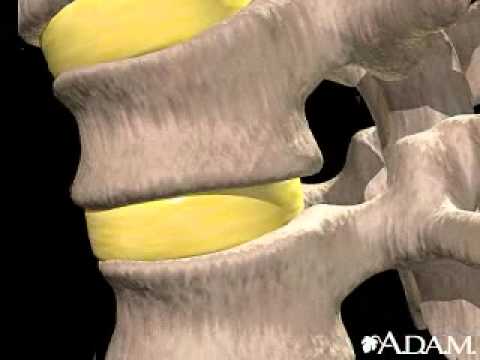
The spine is a complex structure made up of bones, ligaments, and discs. Among these, the nucleus pulposus plays a vital role. It’s actually the gel-like center of intervertebral discs, which act like cushions between the vertebrae. Think of it like a jelly donut; the jelly is what helps absorb shock.
The nucleus pulposus is made up mostly of water and special proteins. As we age, this water content can decrease. That’s one reason why some people experience back pain as they get older—less hydration means less cushioning for your spine.
Why Is It Important?
You might wonder: why should I care about something that seems so small? Well, when healthy, the nucleus pulposus helps distribute pressure evenly across your spine during daily activities. If it gets damaged or deteriorates, you could face issues like herniated discs or chronic back pain.
When a disc herniates, part of the nucleus can push through its outer layer and irritate nearby nerves. This might cause pain or numbness that radiates down your legs—classic signs of sciatica.
Factors Affecting Nucleus Pulposus Health
- Aging: Over time, our bodies naturally lose collagen and hydration.
- Injury: Direct trauma to the spine can damage discs.
- Lifestyle: Poor posture and lack of exercise may lead to weaker spinal structures.
- Nutrition: A healthy diet supports overall spinal health by providing necessary nutrients.
Supporting Your Nucleus Pulposus
You can take steps to support your nucleus pulposus and overall spine health. Regular exercise strengthens surrounding muscles that help keep your spine aligned. Think about activities like walking or swimming; they’re easy on joints but effective for strengthening muscles.
A good diet rich in vitamins D and C can also enhance spinal health. Foods like leafy greens, nuts, fish provide essential nutrients that promote disc hydration and elasticity.
The Bottom Line
Your nucleus pulposus plays an underrated but significant role in keeping your spine healthy. Keeping it well-hydrated through proper nutrition and maintaining good posture during daily activities can go a long way in supporting overall back health.
If you ever feel persistent back pain or discomfort in general it’s wise to consult with someone who specializes in this area for more guidance tailored to you personally!
Unlocking the Secrets to Strengthening Your Spine’s Core
Understanding the Nucleus Pulposus
The spine is made up of bones, muscles, and cartilage. But do you know about a special part called the nucleus pulposus? It’s like the jelly in a donut—soft and squishy. This soft center is crucial for your spine’s health.
To put it simply, the nucleus pulposus sits inside each intervertebral disc. These discs act like cushions between the vertebrae (the bones in your spine). The nucleus provides support and absorbs shock when you move or jump. Think of it as a little trampoline for your spine!
How Does It Work?
When you bend or twist, the nucleus pulposus helps redistribute pressure throughout the disc. This way, no single part bears all the load. If everything works well, you can move freely without pain.
Bearing this in mind, if the nucleus becomes damaged due to injury or aging, it can lead to spinal issues like herniated discs or chronic back pain. Imagine squeezing that jelly too hard—the donut might burst.
The Importance of Core Strength
You might wonder: why strengthen my core? Well, your core includes not just abdominal muscles but also those supporting your spine. A strong core helps protect your spine’s structure—basically it’s like wearing a supportive belt around that jelly-filled donut!
- Strong core muscles reduce stress on the back.
- A healthy core aids in maintaining proper posture.
- It also improves balance and coordination during activities.
Engaging in exercises like planks or bridges can significantly help build this strength. Even everyday actions such as sitting with good posture contribute to overall spinal support.
Listen to Your Body
If you’re feeling discomfort while doing certain activities, that’s worth paying attention to. Since everyone’s body is different—what works well for you might not work for someone else—it’s key to find exercises that feel right for you.
Pain doesn’t always mean something is broken; often it’s just telling you what needs attention! Regular check-ins with how you’re feeling will help maintain a healthy balance in your routine.
Misinformation About Spine Health
A lot of myths float around regarding back health—like “you can’t lift anything heavy ever again” after an injury. Not true! With proper guidance and strengthening exercises, many people return to their normal activities over time.
- Keep moving! Staying active promotes better circulation and nutrient delivery to spinal tissues.
- Avoid prolonged inactivity; being sedentary can weaken back muscles over time.
Your Spine Matters
Your spine’s health isn’t just about avoiding pain; it’s about staying active and enjoying life without restriction! Understanding its components—including that jelly-like nucleus pulposus—can help you take better care of yourself overall.
No one has it all figured out 100%, but being mindful about how we care for our bodies makes a big difference long term.” So embrace every opportunity to strengthen not just your core but also knowledge about what keeps us moving smoothly through life!
Revitalize Your Spine: Simple Ways to Boost Nucleus Pulposus Hydration
Understanding the Nucleus Pulposus
The nucleus pulposus is a jelly-like substance found in the center of intervertebral discs, which act like cushions between your vertebrae. You can think of it like a water balloon, providing both support and flexibility to your spine. When you jump or bend, these discs help absorb shock, keeping your back healthy.
One key aspect of spine health is hydration. The nucleus pulposus relies on adequate hydration to maintain its structure and function. When it becomes dehydrated, the discs can lose height and become less effective at distributing pressure. This might lead to discomfort or even pain in your back over time.
Hydration: The Key Player
So, how do we keep the nucleus pulposus hydrated? Well, fluid intake plays a big role here. Drinking sufficient water daily is essential for overall hydration and helps maintain those vital structures in your spine. You know how when you’re thirsty you reach for a glass of water? That same intuitive need is crucial for keeping your joints—and yes, your spine—in good shape too.
Movement Matters
Another important factor is movement. Think about a sponge; when it’s dry, it’s stiff and hard to work with. But once you wet it and squeeze it out, it becomes supple again! Similarly, regular movement helps pump fluids into the nucleus pulposus by creating pressure changes that encourage nutrient exchange within the discs.
This doesn’t mean doing anything extreme—simple activities like walking or stretching can make a difference over time. Even short breaks during long periods of sitting can help keep that fluid moving where it’s needed.
The Role of Nutrition
Your diet also contributes to spinal health. Foods rich in antioxidants help reduce inflammation around the spine while supporting hydration by adding moisture content to your body. Think fruits and veggies—things full of water like cucumbers or watermelon can be particularly helpful.
- Add more green leafy vegetables like spinach or kale.
- Incorporate nuts and seeds for their healthy fats that support overall joint health.
- Don’t forget whole grains! They’re not just good for digestion but provide necessary energy too.
Poor Posture: A Silent Enemy
A little thing called posture plays an underappreciated role as well. Slouching or sitting with bad posture puts extra stress on your spine’s structures—including the nucleus pulposus—leading to dehydration over time. Keep reminding yourself about good posture; standing tall like you’re being pulled up by a string from above makes a huge difference!
An Active Lifestyle
You might also want to consider staying active throughout life as this impacts how effectively nutrients get to those disc areas too! Low-impact exercises like swimming are fantastic since they offer great resistance without jarring motions—which could be hard on an aging spine.
Tying It All Together
A hydrated nucleus pulposus supports spinal health significantly better than one that’s dry and stiff; solid nutrition along with physical activity keeps everything moving smoothly.
While there’s no magic solution here—just consistent habits! And remember, listening to your body goes far—it will often tell you when something feels off!
Understanding the nucleus pulposus is crucial for grasping spine health. This jelly-like substance found in intervertebral discs acts as a cushion between vertebrae. It helps absorb shock and maintain flexibility in the spine.
Research shows that the integrity of the nucleus pulposus can affect overall spinal function. When it degenerates, issues like herniated discs can occur, leading to pain and mobility problems. It’s kind of like a tire losing air; an underinflated tire doesn’t perform well, right?
Maintaining a healthy nucleus pulposus involves proper hydration and nutrition, as it relies on surrounding tissues for nutrients. Exercises that promote core strength also play a vital role in supporting spinal structures.
Moreover, awareness of how everyday activities impact spine health can make a significant difference. Something as simple as lifting heavy objects with proper technique can help preserve disc integrity.
In essence, appreciating the function of the nucleus pulposus not only enhances understanding of spinal health but also empowers individuals to take proactive steps toward maintaining their back’s well-being.