The information provided in this article is intended solely for general informational and educational purposes. It does not constitute medical advice, diagnosis or professional treatment, and should not be considered a substitute for consultation with a qualified doctor or other licensed healthcare professional. Any health-related decisions should be made in consultation with accredited medical professionals.
While efforts have been made to ensure the information is accurate and up to date, no guarantees are given—either express or implied—regarding its accuracy, completeness, currency or suitability. Use of this information is at your own discretion.
It is strongly recommended to consult official sources such as the NHS (National Health Service) or other recognised medical institutions before acting on any information contained on this website or article. Under no circumstances should professional medical advice be ignored or delayed due to content read here.
This content is of a general and informational nature only. It is not intended to replace individualised guidance from a healthcare professional or to establish any doctor-patient relationship. The publication of this information does not imply any professional responsibility, guarantee or obligation on the part of the author or this site.
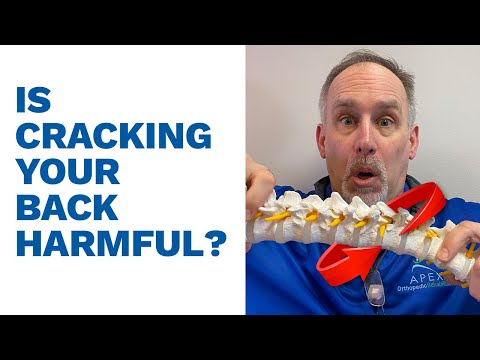
Have you ever felt that delightful pop in your back after a good stretch or a satisfying crack? It can feel amazing, but it also raises questions. Is cracking your back really safe for your spine? The truth is, many people do it to find relief from discomfort. But understanding the risks and benefits is key.
Back cracking isn’t just about getting that satisfying sound; it’s tied to how our joints function. It’s fascinating, right? Most of us don’t think about the mechanics behind our spines until we experience pain or discomfort. This article will explore what happens when you crack your back, why some people swear by it, and what science says about its safety.
Your health matters, and making informed choices is crucial. Remember though: this content doesn’t replace medical advice. It’s essential to consult a healthcare professional before making decisions about your spine or any health issue.
Let’s dive into the world of back cracking together and see if it really is as harmless as some believe—or if there are better ways to keep your spine happy!
Unraveling the Mystery Behind Your Back’s Noisy Twists
Understanding Back Cracking
So, you’ve probably heard those weird sounds when you twist or stretch your back. It’s pretty common, but what’s actually going on? First things first, let’s chat about the noise itself. When you crack your back, it might sound like a pop or a crack. This is often due to gas bubbles in the joints being released. Think of it like opening a soda can; that fizzing noise is similar to what happens in your spine.
What Causes Back Cracking?
The technical term for those noises is “cavitations.” These occur when pressure changes inside your joints create tiny gas bubbles in the synovial fluid. Synovial fluid helps lubricate joints and makes movement smoother. When you stretch or manipulate your spine, these bubbles burst, causing that distinctive sound.
But hey, not all cracking is created equal! Sometimes, it can also be linked to tendons or ligaments moving over bones. Imagine a rubber band sliding over a rough surface—it might snap back and make some noise too.
Is It Safe?
You might wonder if cracking your back is harmful. Generally speaking, occasional cracking isn’t usually associated with serious harm. However, if you feel pain when doing it or if the sounds are accompanied by discomfort, that’s worth paying attention to.
Also keep in mind that while many people enjoy the feeling of relief after cracking their backs—kinda like stretching after sitting for too long—it doesn’t really fix any underlying issues. Think of it more as temporary relief than a solution.
The Difference Between Cracking and Professional Adjustments
If you’re tempted to crack your back frequently, consider how this compares to visits to a chiropractor or physical therapist. Professionals use specific techniques aimed at aligning your spine correctly—not just making funny sounds. Their approaches focus on long-term health instead of immediate gratification.
When Should You Be Concerned?
If back cracking turns into daily habit or causes pain consistently, then it might be time for deeper investigation with someone who knows more about spine health—like a chiropractor or physician. Remember: listening to your body is super important.
- Persistent pain after cracks? See someone!
- Catching yourself cracking multiple times daily? Might want to examine why.
- If popping comes with swelling or stiffness? Definitely worth mentioning.
A Few Tips for Your Back Health
You can maintain good spinal health without the need for constant popping! Engaging in regular stretching and strengthening exercises plays an important role here. Simple activities like yoga or pilates focus on flexibility could help reduce tension without relying on those clicks and pops.
Overall, it’s fascinating how our bodies work—even if they occasionally sound like popcorn machines! Being aware of what’s happening when our backs crack helps us take better care of ourselves in the long run.
Discover the Surprising Truth Behind Your Daily Habit
Understanding Back Cracking: Is It Safe for Your Spine?
Back cracking, or cavitation, is that sound you hear when you twist or stretch your back. It’s often associated with relief—like your body just released a big sigh. But what really happens in there? Let’s break it down.
What Causes the Cracking Sound?
The cracking sound comes from gas bubbles in the synovial fluid which lubricates your joints. When you stretch or adjust your back, pressure changes occur, causing these bubbles to burst. Kind of like popping bubble wrap; it releases energy and creates that satisfying noise.
Is Cracking Good or Bad for You?
This is where things get a bit fuzzy. Some people swear by cracking their backs as a way to relieve tension, while others worry about potential harm. The truth is, occasional cracking doesn’t necessarily indicate injury. It’s mostly harmless if done gently.
Potential Risks
Overdoing it can lead to joint problems over time. If someone cracks their back forcefully too often, they might stretch ligaments unnecessarily or irritate surrounding tissues. Imagine stretching a rubber band too far—it could snap! That’s not what anyone wants for their spine.
When to Be Concerned
If back cracking is accompanied by pain, swelling, or other symptoms like tingling sensations in your limbs, it’s worth getting checked out. Those signs could indicate an issue beyond just the sound itself. Always better to be safe than sorry!
Alternatives to Back Cracking
If you’re looking for relief without the crack, consider stretching or gentle yoga poses instead. Things like child’s pose or gentle twists can promote flexibility and comfort without the need for those pops.
The Bottom Line
No one-size-fits-all answer exists regarding back cracking. For some it feels good and may help with tightness; for others it’s best avoided if there’s discomfort involved. Always trust how your body feels and listen closely to its signals.
- If you’re unsure about any habit affecting your health: reach out to a professional who can provide tailored advice.
- Your spine deserves care and attention—prioritize what keeps it happy!
- Sometimes rest is just as important as stretches when keeping injuries at bay.
Exploring the Myths and Realities of Back Cracking
Understanding Back Cracking: Myths and Realities
Back cracking is one of those phenomena that makes people raise their eyebrows. You know, when someone twists their torso, and you hear that delightful pop? It can be satisfying, but what does it actually mean for your spine?
What Causes Back Cracking?
When you crack your back, you’re often creating a sound called cavitation. Picture this: when your joints are pressed together, gases like carbon dioxide can build up in the fluid surrounding them. Then, when you pull or twist the joint, these gases form bubbles that pop. That’s that cracking sound you hear!
The Myths Around Back Cracking
One popular myth is that cracking your back will lead to arthritis or joint problems later. Honestly, there’s no solid evidence supporting this idea. Most research suggests it’s not harmful if done occasionally.
Another common belief is that back cracking can get rid of pain forever. But here’s the thing—while it might feel good temporarily, it doesn’t address underlying issues causing discomfort. It’s like putting a band-aid on a cut without cleaning it first.
Is It Safe to Crack Your Back?
This is where things get tricky because ‘safe’ isn’t black and white. When someone cracks their back too hard or too often, it could lead to strain or injury over time. Like other parts of your body, moderation is key.
The Benefits of Cracking Your Back
You might find some benefits in occasional back cracking—like relief from tension or relief after sitting for too long. It can feel nice to release tightness in your muscles and joints.
When Should You Be Cautious?
If you’re experiencing consistent pain or discomfort every time you crack your back, it’s wise to check in with a professional. You know; sometimes that popping sound might be trying to tell you something more important than just needing a stretch.
Aren’t There Other Ways to Relieve Tension?
You bet! Stretching exercises are a great way to relieve tension without the risk of injury from excessive cracking! Activities like yoga or pilates focus on flexibility and strength while helping keep everything aligned.
- Chiropractic adjustments may provide relief under the guidance of trained professionals.
- Meditation and mindfulness practices can reduce stress that contributes to muscle tightness.
- A regular exercise routine helps keep your spine healthy without needing to crack it continuously.
The bottom line? If you enjoy the feeling of back cracking and it’s not causing pain—enjoy it! Just remember it’s not a substitute for proper care when needed. Stay aware of how your body responds and listen closely—it knows best!
Back cracking is a common phenomenon that many people experience. It can happen when you stretch or twist your back, resulting in that satisfying popping sound. But what does this cracking mean for your spine?
First, it’s essential to understand what’s actually happening during the crack. When you manipulate your joints, gas bubbles form and collapse within the synovial fluid—the thick liquid that lubricates your joints. This process is usually harmless and doesn’t cause any damage to the spine itself.
However, frequent cracking can sometimes indicate underlying issues. For instance, if your back is cracking because of tight muscles or misaligned vertebrae (the bones making up your spine), it might be worth checking in with a healthcare professional. They can assess whether there’s a deeper problem needing attention.
Many people enjoy the feeling of relief after cracking their backs; it’s almost like a release of tension. Still, relying on it as a primary method for easing discomfort may not be the best approach. Instead of self-cracking, consider stretching exercises or consulting with a physical therapist who can provide tailored advice.
In summary, occasional back cracking isn’t harmful for most people but should not become a habit if it’s accompanied by pain or other symptoms. Staying aware of how your body feels post-crack is vital—pain shouldn’t be ignored.